
Let children be children.
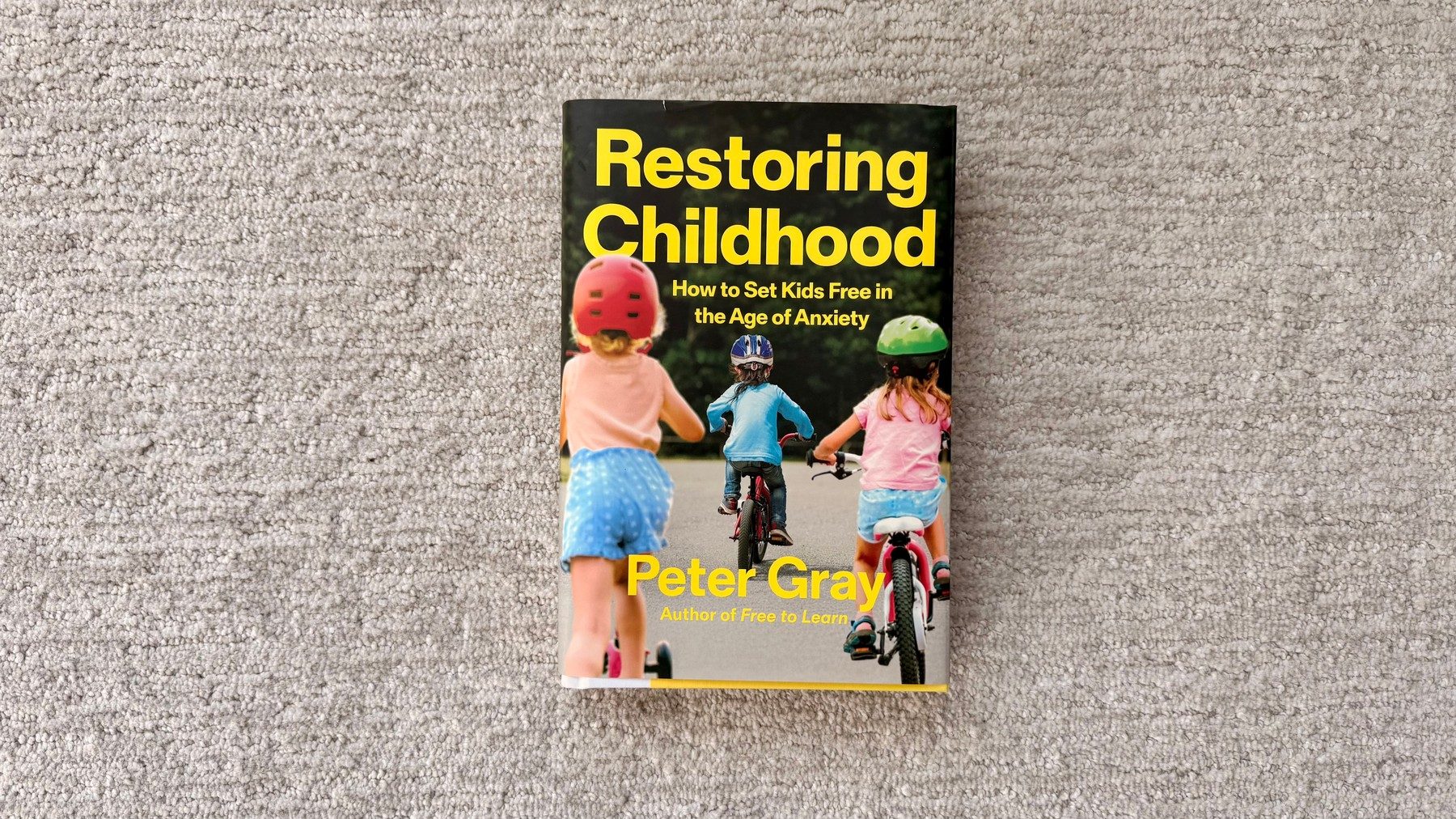
A personal reflection on Peter Gray's Restoring Childhood, the freedom to learn, and why children's independent experiences deserve greater attention from educational researchers.
Essays, research, field notes, and provocations about education, technology, work, and the futures we are already building.
A personal reflection on Peter Gray's Restoring Childhood, the freedom to learn, and why children's independent experiences deserve greater attention from educational researchers.
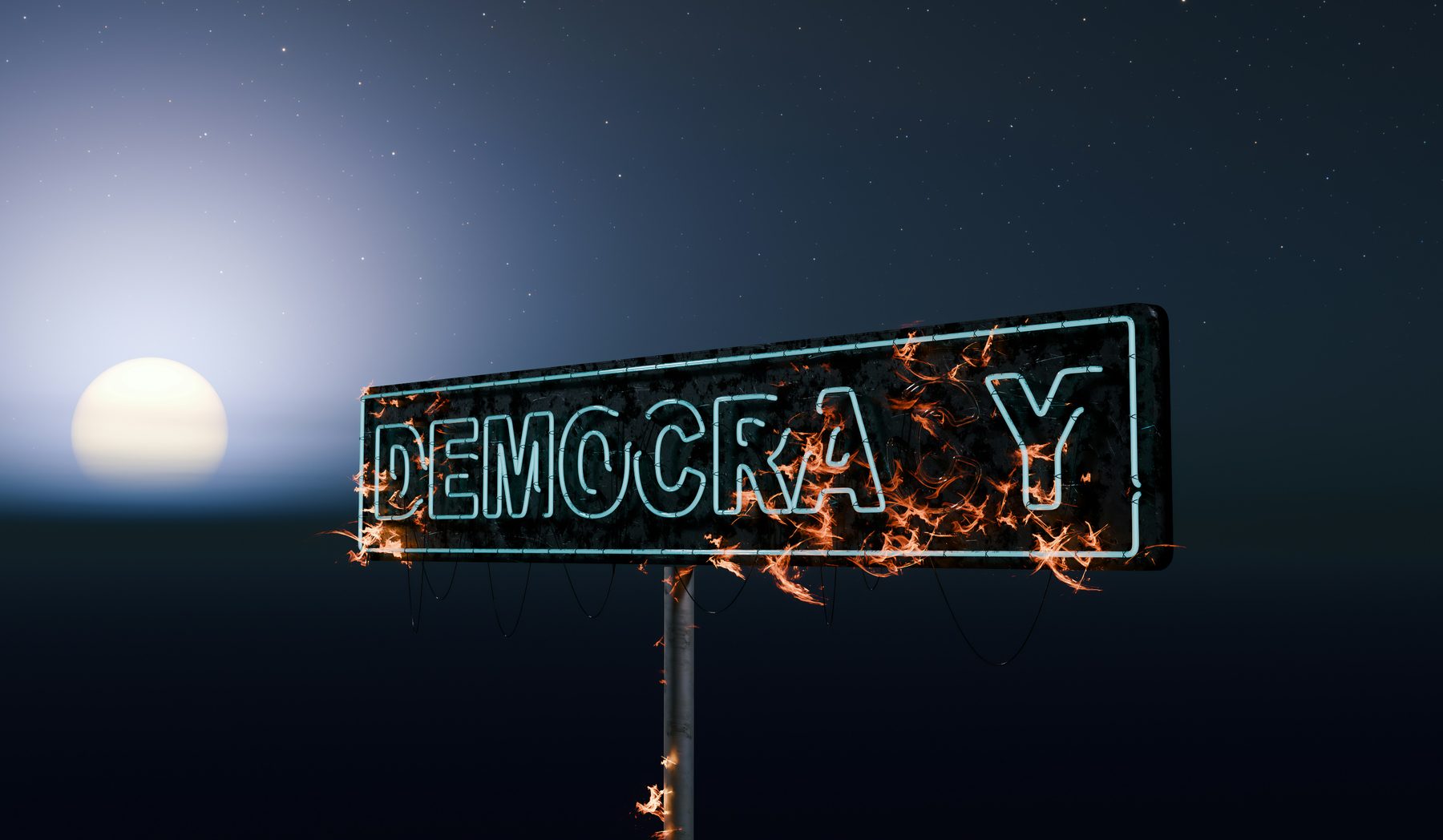
Disinformation threatens democratic power by compromising the institutions through which people investigate claims, judge evidence, and challenge authority.
Dezinformace ohrožují demokratickou moc narušováním institucí, jejichž prostřednictvím lidé zkoumají tvrzení, posuzují důkazy a zpochybňují autoritu.
La desinformación amenaza el poder democrático al comprometer las instituciones mediante las cuales las personas investigan afirmaciones, evalúan pruebas y cuestionan la autoridad.

La escolarización sigue domesticando sus tecnologías
After EdWeek Market Brief’s K-12 Futurecast with Michelle Caffrey and Katherine Prince, John Moravec reflects on educational sovereignty, teacher judgment, and the risk of human attention becoming a premium service.
Tras el encuentro K-12 Futurecast de EdWeek Market Brief con Michelle Caffrey y Katherine Prince, John Moravec reflexiona sobre la soberanía educativa, el criterio docente y el riesgo de que la atención humana se convierta en un servicio prémium.

AI assistants can now connect directly to GEFRI to work with current and historical data, compare countries and regions, and interpret results alongside other sources and contextual knowledge.

As AI takes on more codified work, schools need to develop the personal knowledge people use to create new value.
A medida que la IA asume más trabajo codificado, las escuelas necesitan desarrollar el conocimiento personal que las personas utilizan para crear valor nuevo.
In a new paper, John Moravec argues that education’s crisis beyond 2030 is not a lack of preparation but the loss of power to govern the systems shaping learning, work, and public life.
John Moravec examina cómo la pérdida de poder para gobernar los sistemas del aprendizaje, el trabajo y la vida pública profundiza la crisis educativa más allá de 2030.
KnowMapped began as an internal tool at Education Futures. We built it because we kept working with ideas that were difficult to represent in ordinary documents, slide decks, or outlines.
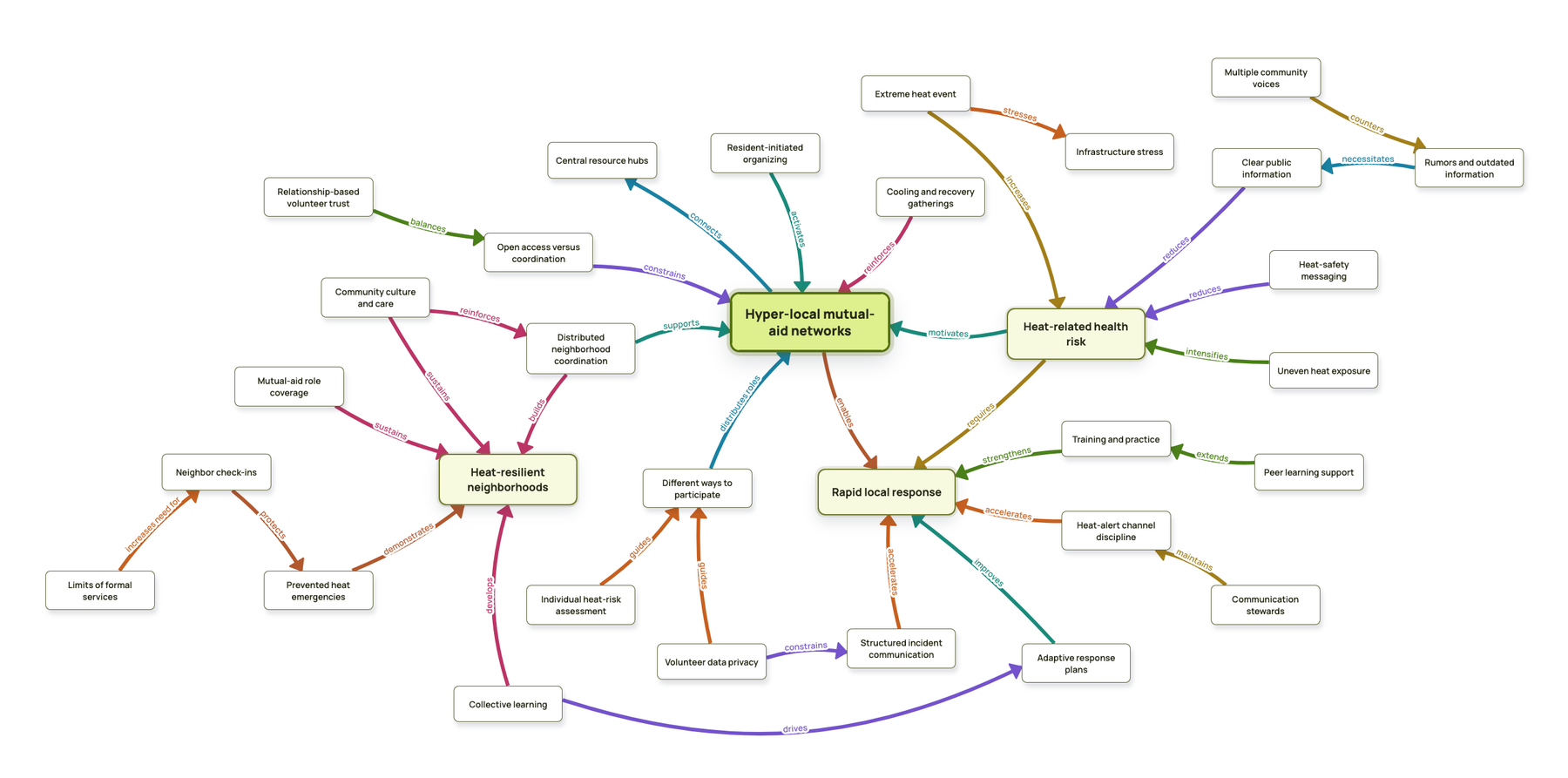
Development of KnowMapped, a platform for creating, exploring, and sharing visual knowledge.
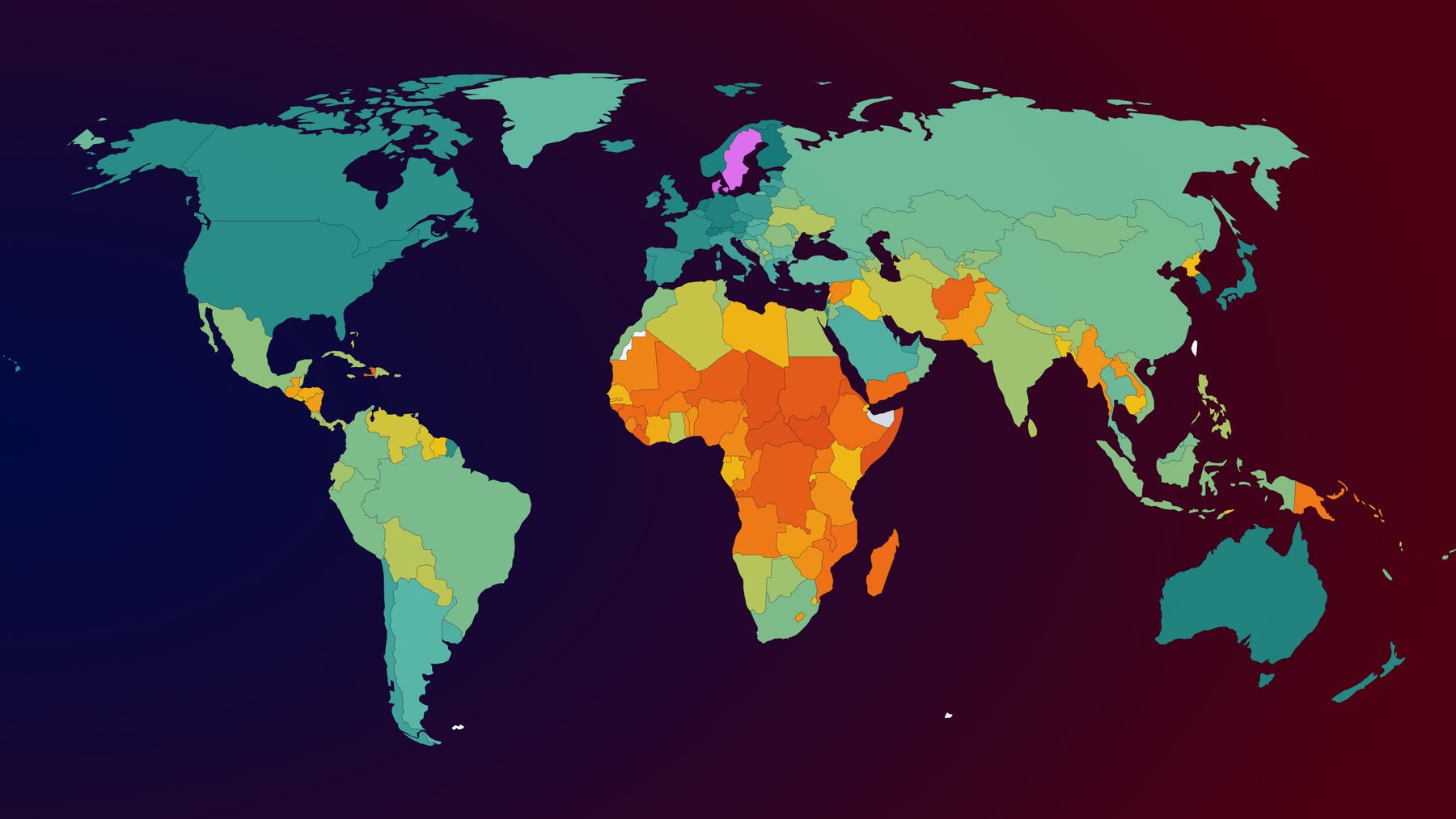
The mid-2026 GEFRI update provides a view of how well education systems are positioned to respond to social, technological, economic, and institutional change.
This paper examines how artificial intelligence can reproduce colonial patterns in education and knowledge production. It calls for educational sovereignty, institutional responsibility, and more critical approaches to AI policy.
Este artículo examina cómo la IA puede reproducir patrones coloniales en la educación y la producción de conocimiento, y propone la soberanía educativa como prueba de gobernanza.
This article argues that education’s central crisis is not artificial intelligence but institutional imagination. It examines why schools reproduce outdated pedagogies even when new technologies make other possibilities visible.
La crisis central de la educación no es la inteligencia artificial, sino la imaginación institucional. Este artículo examina por qué las escuelas reproducen pedagogías obsoletas incluso cuando las nuevas tecnologías hacen visibles otras posibilidades.
This article examines what school phone bans reveal about control, trust, and the purpose of education. It argues that the debate is less about devices than about how institutions understand learning and student agency.
Las prohibiciones de teléfonos revelan cómo las escuelas entienden el control, la confianza y el aprendizaje. La cuestión de fondo es qué modelo educativo necesitan cuando las herramientas forman parte del pensamiento.
John W. Moravec examines power, trust, and the freedom to learn in twenty-five essays, with working notebooks for creating new education futures.
John W. Moravec examina el poder, la confianza y la libertad de aprender en veinticinco ensayos, con cuadernos de trabajo para crear nuevos futuros educativos.
Alex Karp (2026), CEO of Palantir, recently framed AI as a force that will reduce the power of “highly educated, often female voters, who vote mostly Democrat,” while increasing the power of non-college-educated, working-class men.
Alex Karp, director ejecutivo de Palantir, presenta la IA como una fuerza que reducirá el poder de ciertos votantes. La educación debe examinar qué autoridad cede cuando incorpora estas plataformas.
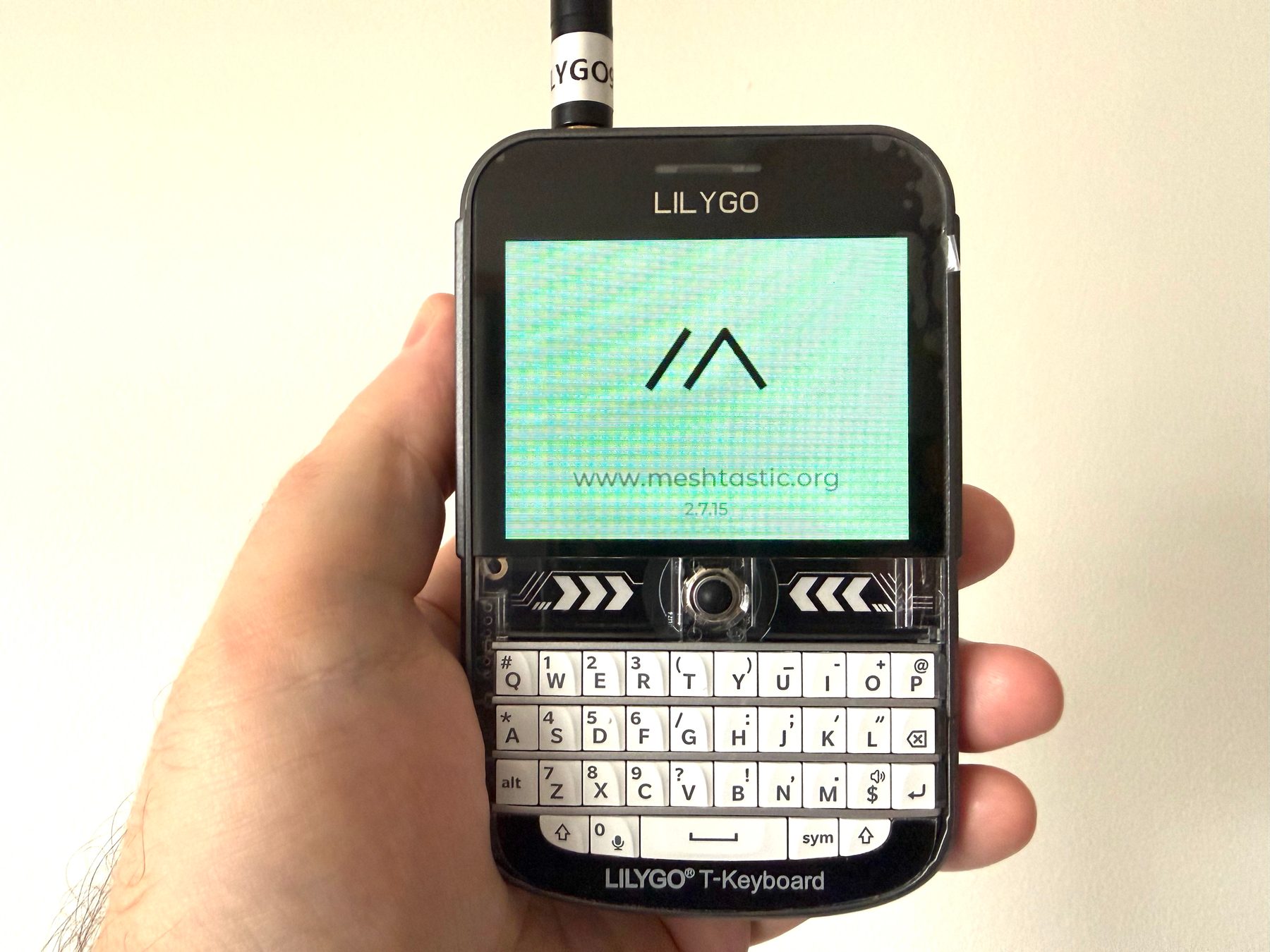
Explore how LoRa-based mesh (Meshtastic) communication can keep education programs running when the internet and electricity fail.
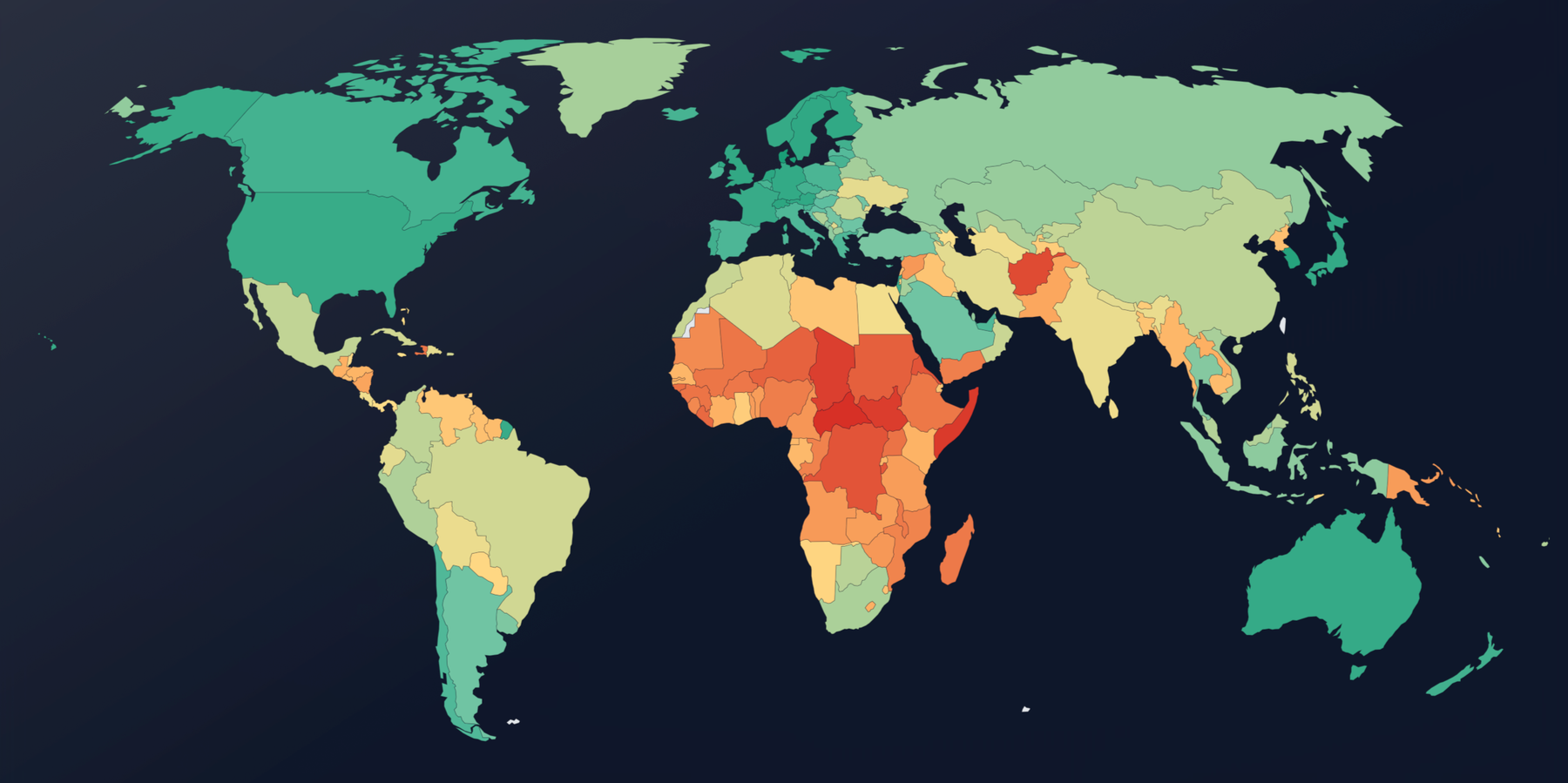
The 2025 Global Education Futures Readiness Index (GEFRI) finds wide differences in how prepared countries are for education futures. It examines readiness across infrastructure, human capital, access, innovation, and governance.

Big Tech shapes what schools can teach and how knowledge circulates through AI platforms. Education needs the capacity to govern these systems in the public interest.
Las grandes tecnológicas moldean qué pueden enseñar las escuelas y cómo circula el conocimiento mediante sus plataformas de IA. La educación necesita capacidad para gobernar estos sistemas al servicio del interés público.
This article explores how gamifying cheating with AI can turn misconduct into an opportunity for learning. Education Futures uses play to encourage curiosity, ethics, and reflection about how technology is used.
Este artículo explora cómo gamificar el uso de la inteligencia artificial para hacer trampa y convertirlo en una oportunidad de aprendizaje. Education Futures utiliza el juego para fomentar la curiosidad, la ética y la reflexión.
” The answer, I argued, is not really. It is a tool, just like a calculator or book, that can enhance human capacity.
Cuando las organizaciones confunden la información con el conocimiento, la IA puede aumentar su producción mientras debilita su capacidad de comprender. Recuperar esa capacidad exige interpretación, diálogo y juicio.
AI has renewed debate about learning, memory, and creativity in an age of cognitive offloading. Cognitive offloading means using tools to do mental work we could do ourselves.
La IA ha reavivado el debate sobre el aprendizaje, la memoria y la creatividad en una época de descarga cognitiva: utilizar herramientas para realizar un trabajo mental que podríamos hacer por nuestra cuenta.
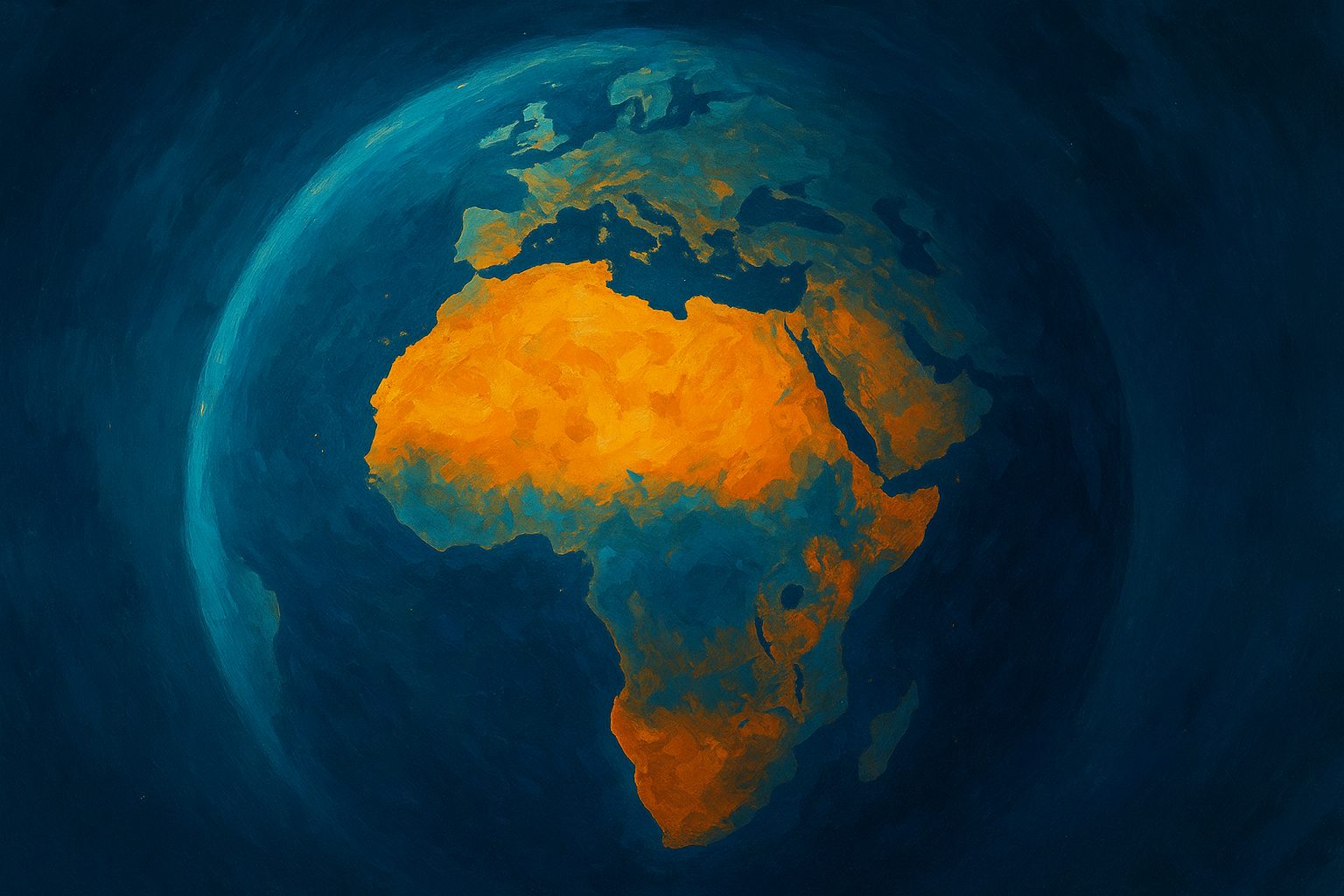
Education is one of the most powerful levers for social progress and economic development. Yet across Sub-Saharan Africa, access to schooling and the achievement of gender parity remain elusive.
Thomas Arnett’s piece “AI can personalize learning. It can’t make students care” makes a compelling case that adolescent motivation is deeply social and that AI, however powerful, can’t replace the human need for recognition and belonging.

In our era defined by radical uncertainty, a primary duty of education should be to develop our courage to question relentlessly. Otherwise, we will never learn.
Ante la incertidumbre, la educación debe cultivar el valor de cuestionar las ideas, los supuestos y nuestro propio papel. Esa cultura también debe incluir a Manifesto 25.
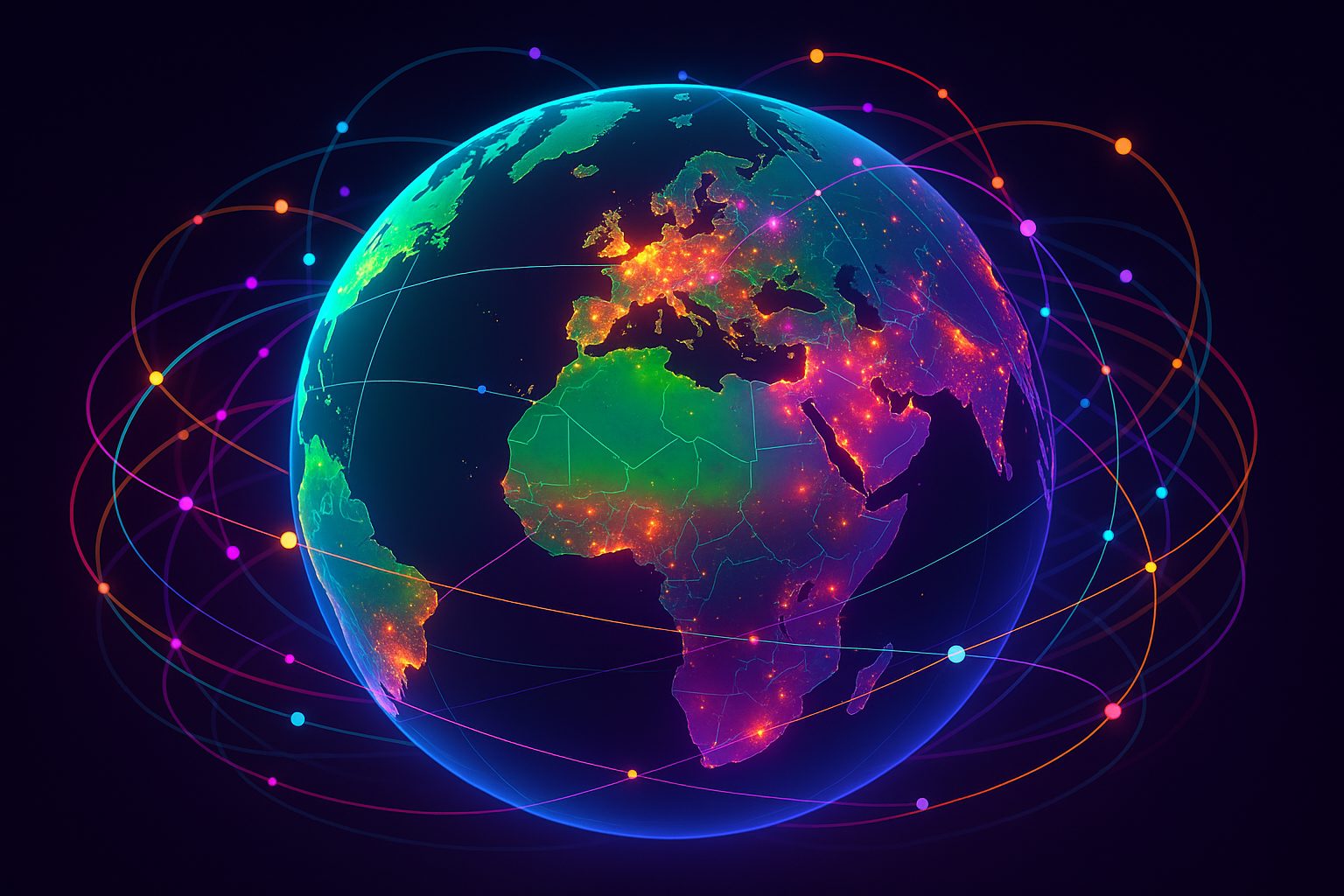
The Global Education Futures Readiness Index (GEFRI) provides the first comprehensive, data-driven answer. Covering 217 countries, including large economies, small island states, and nations in crisis, GEFRI benchmarks how prepared each is to meet the demands of rapidly changing educational, social, and technological landscapes.
We ask teachers to prepare students for an unpredictable, AI-infused, climate-volatile world. Yet we treat those same educators as if their job is to execute instructions, not invent solutions.
Pedimos al profesorado preparar para la incertidumbre, pero restringimos su juicio. La innovación exige autonomía profesional, tiempo compartido y confianza.
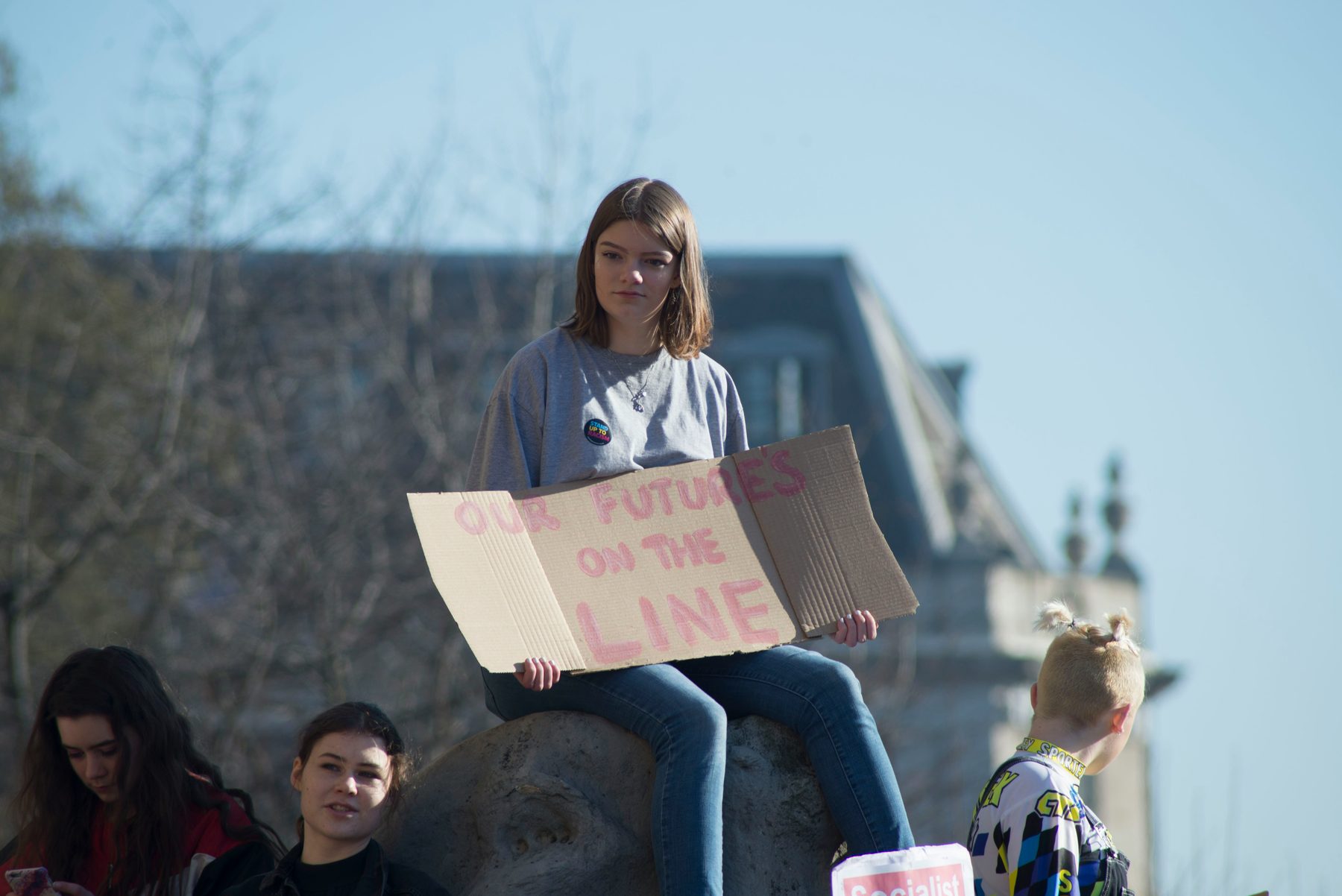
Activism can be one of learning’s most authentic expressions. It explores how organizing, civic participation, and speaking truth to power develop knowledge and agency.
Organizarse, participar en la vida cívica y decir la verdad al poder desarrolla conocimiento y capacidad de acción. El activismo puede ser una expresión del aprendizaje auténtico.

In classrooms built for quiet, success often means staying inside the lines, even as the world outside demands we redraw them. Today’s schools reward silent conformity over courageous inquiry, sending an implicit message to learners: don’t ask too much, don’t reach too far.
Cuestionar reglas exige comprender su propósito, a quién sirven y qué efectos producen. La desobediencia reflexiva puede construir una educación más justa.

A school day begins with a bell. Students move from worksheets to whiteboards while forests burn and rivers shrink outside.
La educación necesita situar el cuidado de la Tierra en sus cimientos. Las alfabetizaciones planetarias y las pedagogías regenerativas conectan aprendizaje y acción.
The Global Education Futures Readiness Index (GEFRI) measures how prepared countries are to shape and respond to changing education futures. It combines global benchmarking with data visualization across key readiness dimensions.

When Sir Ken Robinson delivered his now-iconic TED Talk in 2006, proclaiming that “schools kill creativity,” he struck a chord that continues to reverberate through education systems worldwide. Robinson’s argument that our schools systematically squash imagination in favor of conformity and compliance sparked a movement for more creative, learner-centered approaches.
Los riesgos de la IA merecen atención, pero también debemos examinar las estructuras escolares que limitan creatividad y pensamiento crítico. El diseño educativo determina cómo utilizamos las herramientas.

In most schools today, students are grouped strictly by age, progressing year by year in parallel cohorts. While this structure simplifies scheduling and curriculum delivery, it also narrows the social and cognitive range of experiences available to learners.
El aprendizaje entre generaciones permite compartir experiencias, desarrollar confianza y asumir papeles recíprocos. Las escuelas pueden crear esas condiciones.
In early 2020, as COVID-19 swept across the globe, the world was confronted with a challenge that no single expert, institution, or government could tackle alone. The response to the crisis demanded a convergence of diverse insights, rapid experimentation, and global collaboration to develop new knowledge.
El conocimiento crece donde se encuentran disciplinas, culturas y experiencias. La educación debe permitir conexiones, indagación y participación.

Most learning unfolds as an organic process: quiet, continual, and often unseen. Like breath or the silent growth of roots, it extends beneath the surface of formal schooling, leaving little trace on a transcript.
Aprendemos mediante curiosidad, experiencias y relaciones que los sistemas formales no siempre ven. La educación debe crear condiciones de confianza para ese crecimiento.

Quantum computing will disrupt education more profoundly than AI. Explore its potential, risks, and what policymakers must do to guide it responsibly.
Learning does not fit neatly into classrooms, schedules, and institutional categories. Meaningful learning is exploratory, connected, and shaped by life beyond school.
El aprendizaje atraviesa hogares, comunidades, espacios de trabajo y redes digitales. Las escuelas pueden conectar y reconocer esas experiencias.
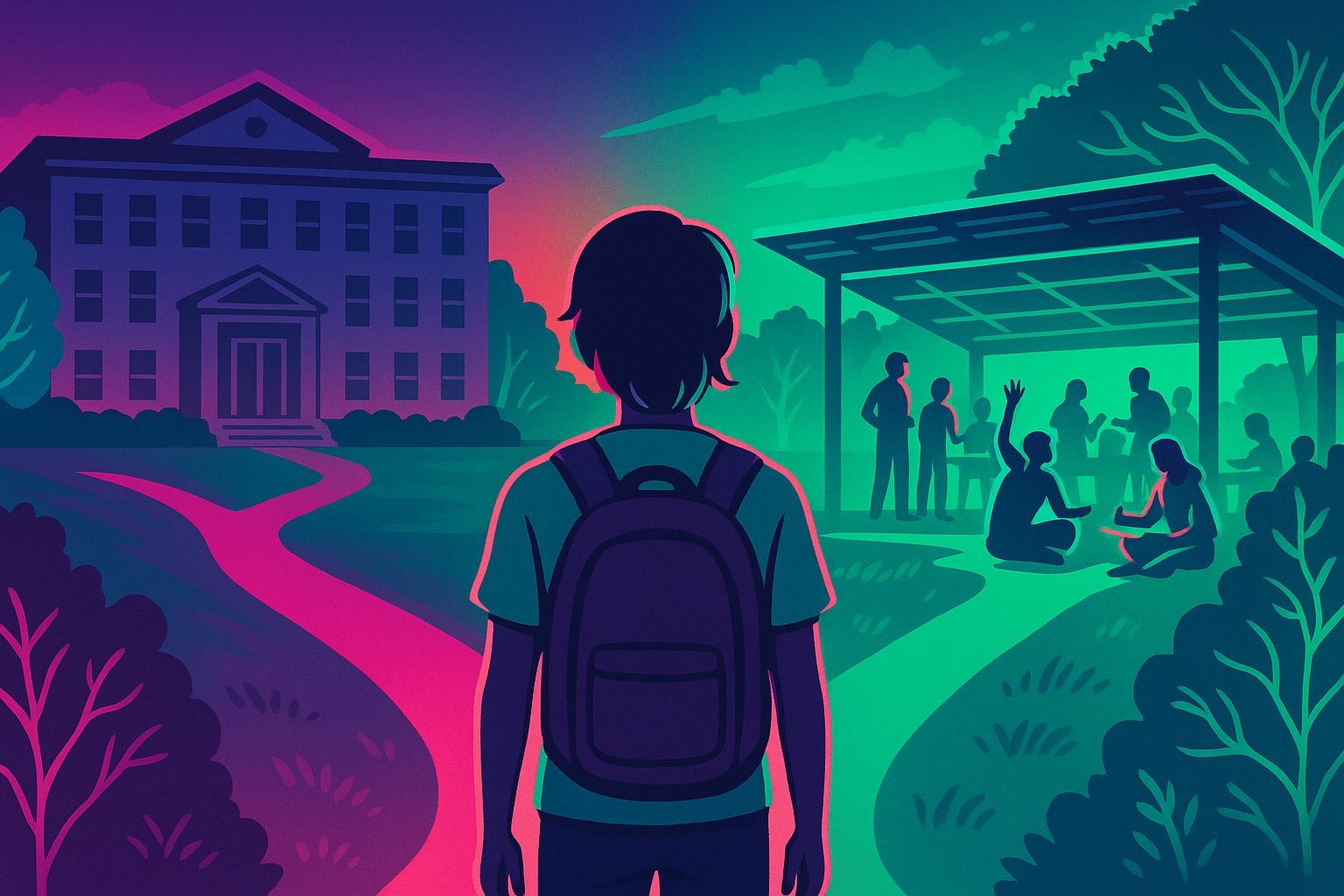
At the heart of meaningful education is a powerful idea: learners thrive when they are trusted to shape their learning and believe they are capable of success. This fusion of agency (being afforded real choices) and self-efficacy (believing in one’s ability to act on those choices) transforms education from routine compliance into purposeful growth.
El aprendizaje cobra sentido cuando las personas pueden decidir su rumbo y confían en su capacidad para actuar. La agencia y la autoeficacia permiten crecer con propósito.
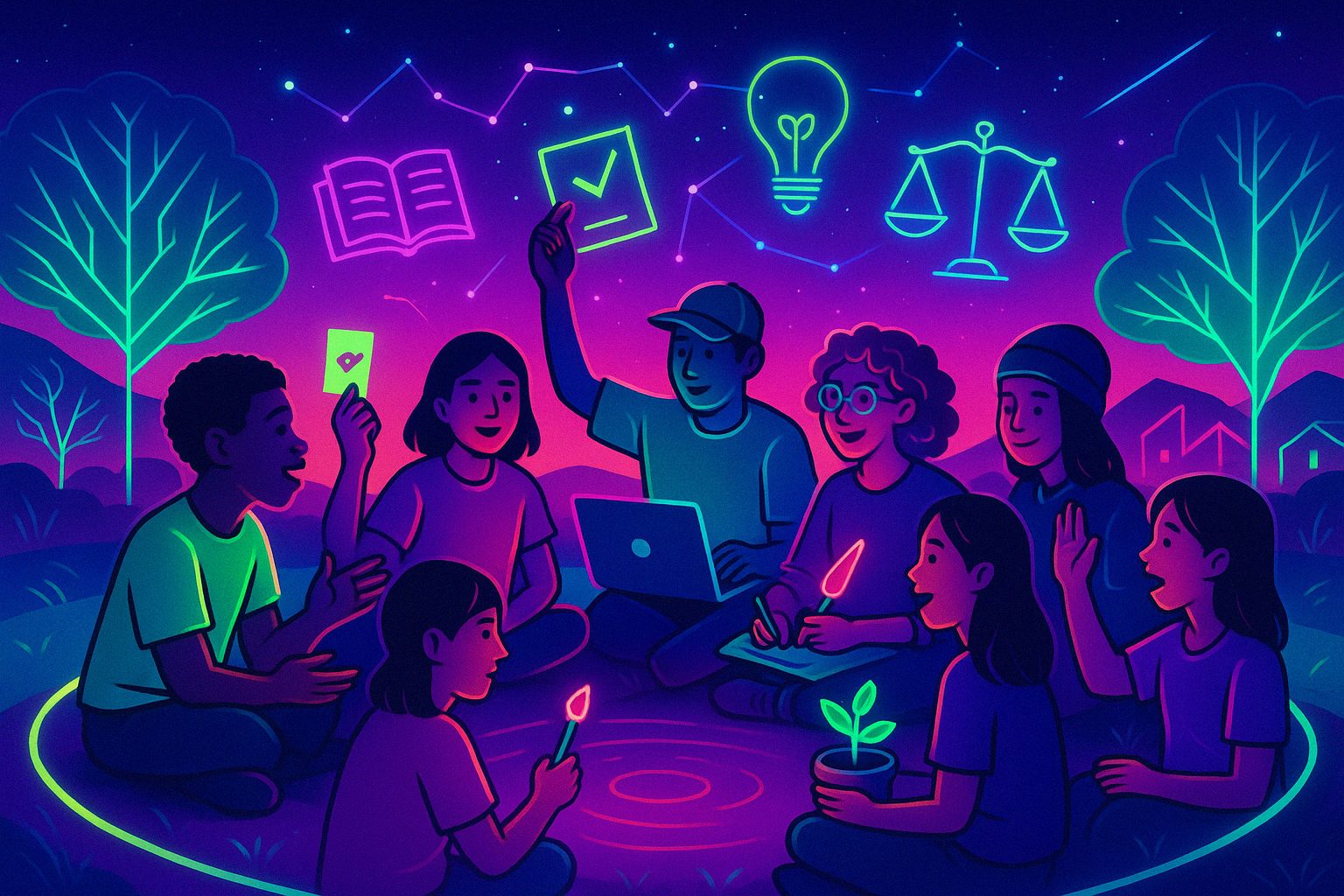
When students are trusted to co-create the structures and rhythms of school life, the outcomes are measurable and lasting.
Los jóvenes tienen derechos y deben participar en las decisiones que moldean su educación. Compartir poder y responsabilidad empieza con respeto y confianza.

In many places, unfortunately including my home country of the United States, learning is no longer nurtured. It is managed.
La confianza permite construir futuros educativos desde la dignidad, la curiosidad y la responsabilidad compartida. Debe practicarse en relaciones e instituciones.

In one classroom, a student copies notes about a centuries-old war. Outside that school, they build game mods, edit videos for social media, and debate politics in global online forums.
Los modelos escolares industriales se alejan de cómo viven y aprenden los jóvenes. Rediseñar su propósito exige imaginación, agencia y responsabilidad compartida.

AI Trends in Higher Education,” hosted by Emerald Publishing and the Higher Education Teaching and Learning Association (HETL), March 26,.
La IA modifica la gobernanza, la equidad y el propósito de la universidad. Las instituciones necesitan imaginación estratégica y capacidad para decidir qué futuro educativo quieren construir.
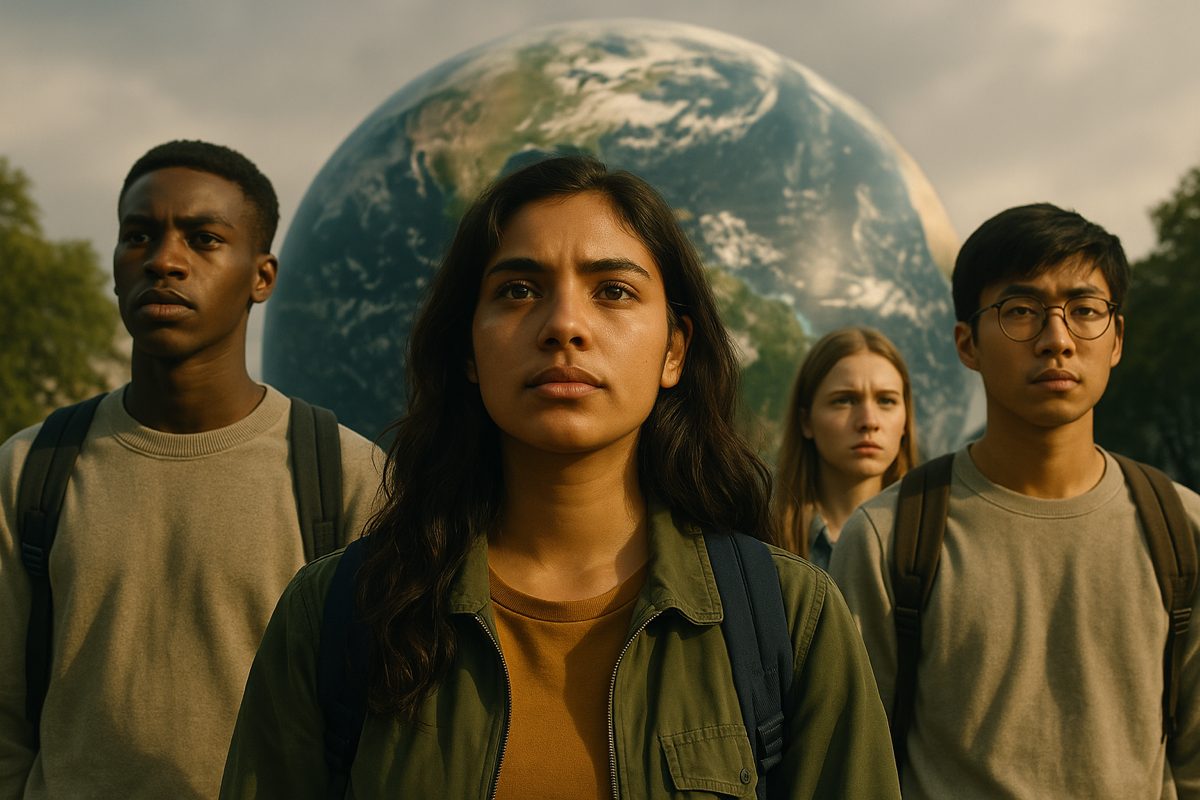
We are living through overlapping global crises: climate breakdown, mass displacement, ecological collapse, rising authoritarianism, and digital fragmentation. These forces are not distant trends; they shape everyday life.
La ciudadanía planetaria conecta experiencias locales con responsabilidades globales. Educar para ella exige empatía, pensamiento sistémico, colaboración y cuidado.
Education is teaching yesterday to children who will live in tomorrow. While medicine rewrites genomes and technology engineers intelligence, schools remain firmly anchored to the past.
La educación debe desarrollar anticipación, adaptación y juicio ético para que todos puedan participar en crear futuros todavía desconocidos.

Standardization prioritizes predictability over possibility, compliance over creativity, and repetition over risk-taking. When education reduces students to manufactured products, it ignores their unique potential to seek out their own passions and solve problems creatively.
La educación necesita flexibilidad, indagación y colaboración interdisciplinaria para reconocer talentos diversos y responder a problemas reales.

Education systems that narrowly define success solely in terms of conformity and compliance inherently perpetuate inequity. This restrictive approach marginalizes students whose strengths lie in innovation, originality, or unique thinking, overlooking learners who approach problems differently or express themselves in unconventional ways.
Una educación equitativa reconoce talentos, experiencias y formas diversas de pensar. La creatividad permite desmontar barreras y dar voz a quienes han sido marginados.
The future belongs to curious, passionate individuals unafraid to take intellectual risks, not to those who are passively obedient and skilled at following instructions. Society rewards creativity, innovation, and a willingness to embrace uncertainty, not compliance.
La curiosidad, el conocimiento especializado y la disposición a experimentar permiten actuar ante la incertidumbre. La educación debe cultivar esas capacidades.

Our mainstream education systems are caught in a damaging obsession with measurement, yet they consistently measure the wrong things. Schools meticulously track test scores, attendance, and graduation rates, acting as if these numbers genuinely define learning.
La obsesión con pruebas decisivas distorsiona el aprendizaje. La evaluación debe reconocer comprensión, creatividad, colaboración y crecimiento.

Education often mistakes knowledge for information, reducing learning to the storage and recall of facts. Students are tested on their ability to recall information, not on their depth of understanding.
Los datos y la información pueden organizarse; el conocimiento exige construir significado personal. La educación debe apoyar ese proceso y la capacidad de aplicar lo aprendido.

Recent developments illustrate how easily facts can be dismissed when they become politically inconvenient. Donald Trump’s return to the presidency of the United States signals a shift from mere pressure tactics to the outright dismantling of government agencies focused on public health, equity, climate monitoring, and air traffic control oversight, among other critical areas.
Este artículo sostiene que la realidad no es opcional en la educación ni en la vida pública. Examina cómo se descartan los hechos por conveniencia política y por qué debemos defender instituciones democráticas basadas en evidencia.

In a world defined by rapid advances in science, technology, and the very structure of work, a university degree can become obsolete faster than a banana browns on your kitchen counter. The old paradigm of “earn your diploma, land a career, follow a predictable path” no longer makes sense in what many call an Age of Disruption (see, for example, World Economic Forum, 2023).
Los cambios en ciencia, tecnología y trabajo exigen reconocer el aprendizaje durante toda la vida. Los títulos estáticos dejan pendiente cómo valorar capacidades que evolucionan.

For too long, education has been structured around control. Students are placed on predetermined paths, told what to learn, when to learn it, and how their success will be measured.
Los estudiantes necesitan libertad para explorar, decidir y aprender de sus errores. La educación debe crear condiciones de confianza y responsabilidad compartida.
Education is failing its most fundamental test: preparing people to be human in a complex, interconnected world. Schools claim to shape the leaders, innovators, and citizens of tomorrow, yet they still operate on outdated models that prioritize compliance over curiosity, standardization over self-awareness, and competition over collaboration.
La inteligencia socioemocional y relacional debe ocupar el centro de la educación. La confianza, la empatía y el cuidado permiten aprender, disentir y reparar relaciones.

The modern internet is aging, and the cracks are showing. For nearly three decades, we have built online spaces rooted in structures that, while groundbreaking at the time, now struggle to serve the ways we live, work, and learn today.
Las comunidades digitales necesitan confianza, agencia y participación. Su futuro depende de cómo las personas construyan espacios de aprendizaje y colaboración que respondan a sus necesidades.

This article argues that failures involving educational technology are symptoms of deeper problems in how learning is designed. It calls for using technology to transform learning rather than simply reproducing old practices.
Los fallos de la tecnología educativa revelan problemas en el diseño del aprendizaje. Incorporar herramientas exige revisar qué aprendemos, cómo lo hacemos y con qué propósito.
Last week, I had the privilege of presenting the closing keynote at the International Meeting on Educational Innovation and STEM Teaching hosted by Instituto Tecnológico de Buenos Aires, Argentina, where I shared my perspectives on the urgent need to rebuild higher education from the ground up and on the importance of pre active leadership.

Manifesto 25 is a bold call to reimagine education as a collective act of resistance and renewal. It offers principles for reclaiming learning as a human, democratic, and future-oriented practice.
January 1, 2025 marks the official release of Manifesto 25, a visionary document calling for urgent action to transform global education systems. The manifesto challenges the status quo, asserting that education as we know it is failing to prepare learners for the complexity and uncertainty of our rapidly changing world.

This article examines how misinformation is designed to spread and why education must respond. It argues for learning approaches that build critical judgment, media literacy, and democratic resilience.
The integration of artificial intelligence into educational settings is rapidly transforming the landscape of teaching and learning. As AI becomes more common in schools, strong policies are needed to use it effectively and ethically.

This morning, the Royal Swedish Academy of Sciences awarded Daron Acemoglu, Simon Johnson, and James A. Robinson with the 2024 Nobel Prize in Economic Sciences.
Esta mañana, la Real Academia Sueca de Ciencias otorgó a Daron Acemoglu, Simon Johnson y James A. Robinson el Premio Nobel de Ciencias Económicas 2024.
David Wiley’s recent post at Improving Learning got me thinking about the rise of “generative OER” for content creation and customization and how AI is reshaping educational content. He also touches on the idea of “open prompts” and “open weights” as emerging forms of OER, enabling users to adapt content for specific needs.

Over 20 years ago, I crafted the knowmad concept while a PhD student, investigating the future of work at the University of Minnesota. A few years later, I wrote a blog post with a general definition … and then things took off, catching me off guard.
Development of modular training manuals to strengthen project proposal development for climate adaptation.
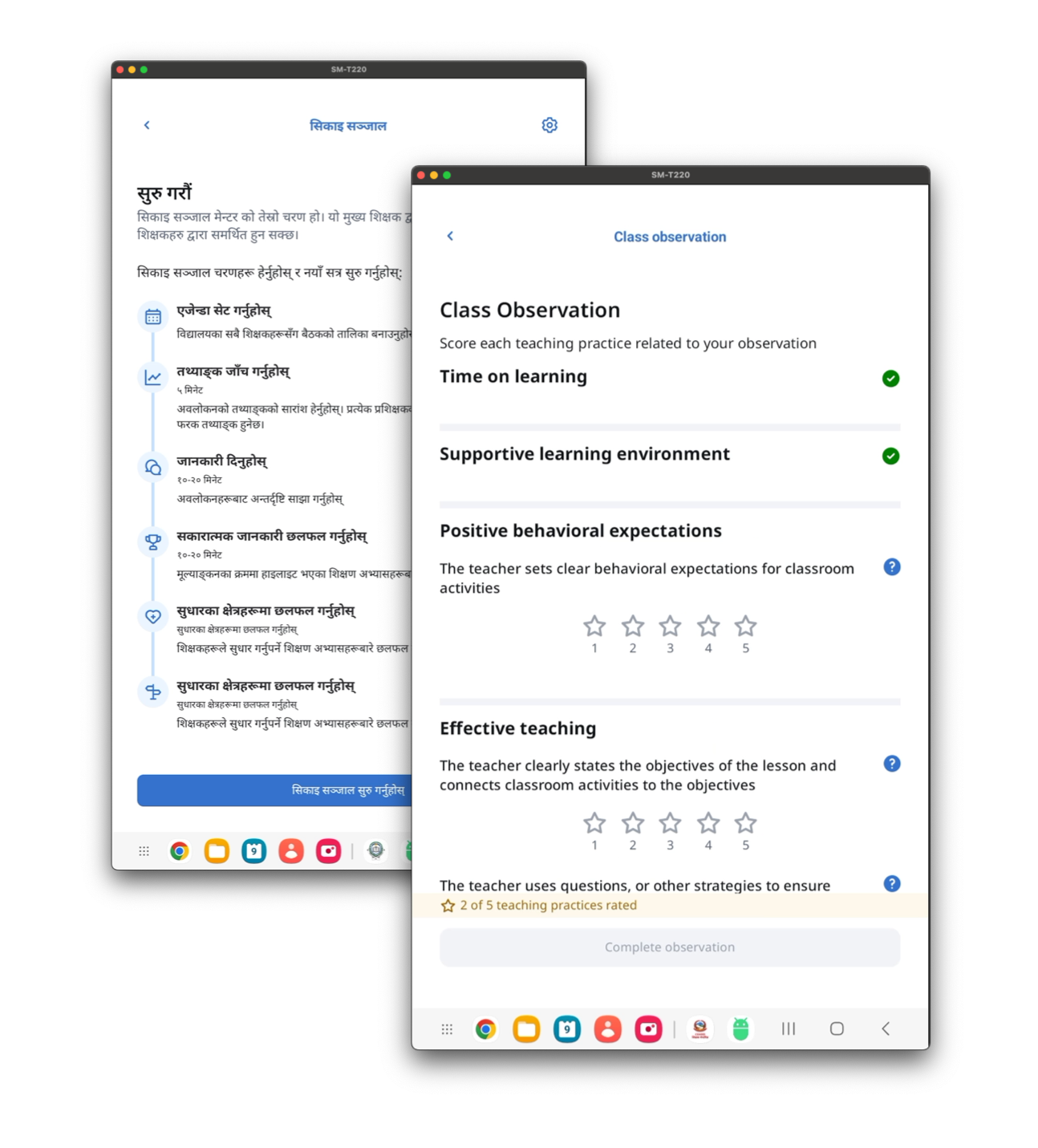
Coach Digital Nepal is a digital coaching platform designed to monitor and strengthen teacher development. It supports foundational teaching skills with tools suited to low-connectivity environments.
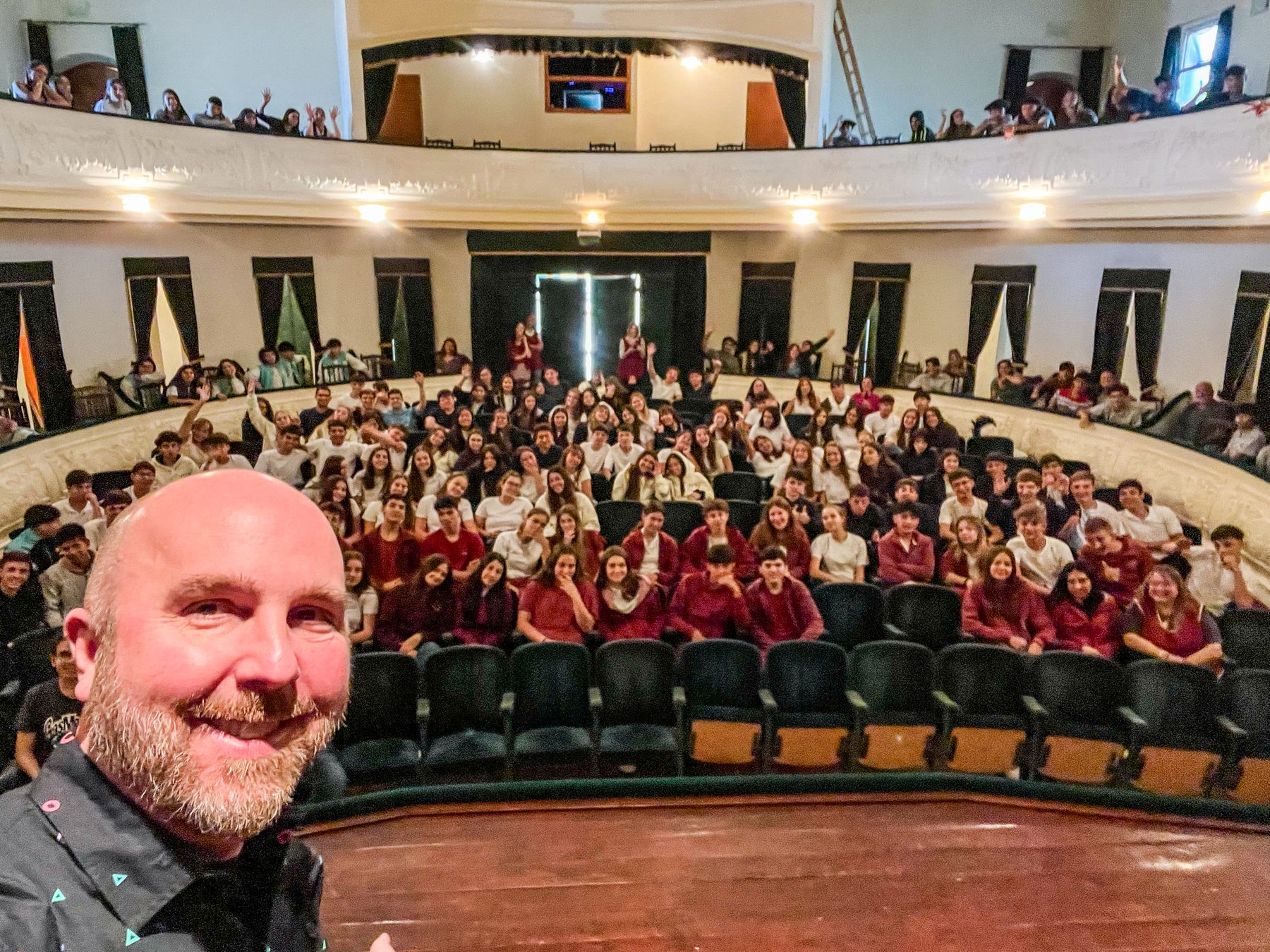
In recent talks in Argentina, Spain, and Colombia, I delved into the competencies essential for “knowmads” in the age of artificial intelligence (AI). This transformative era requires a shift in how educators approach teaching and learning, and it’s critical to understand what this means for teachers today.
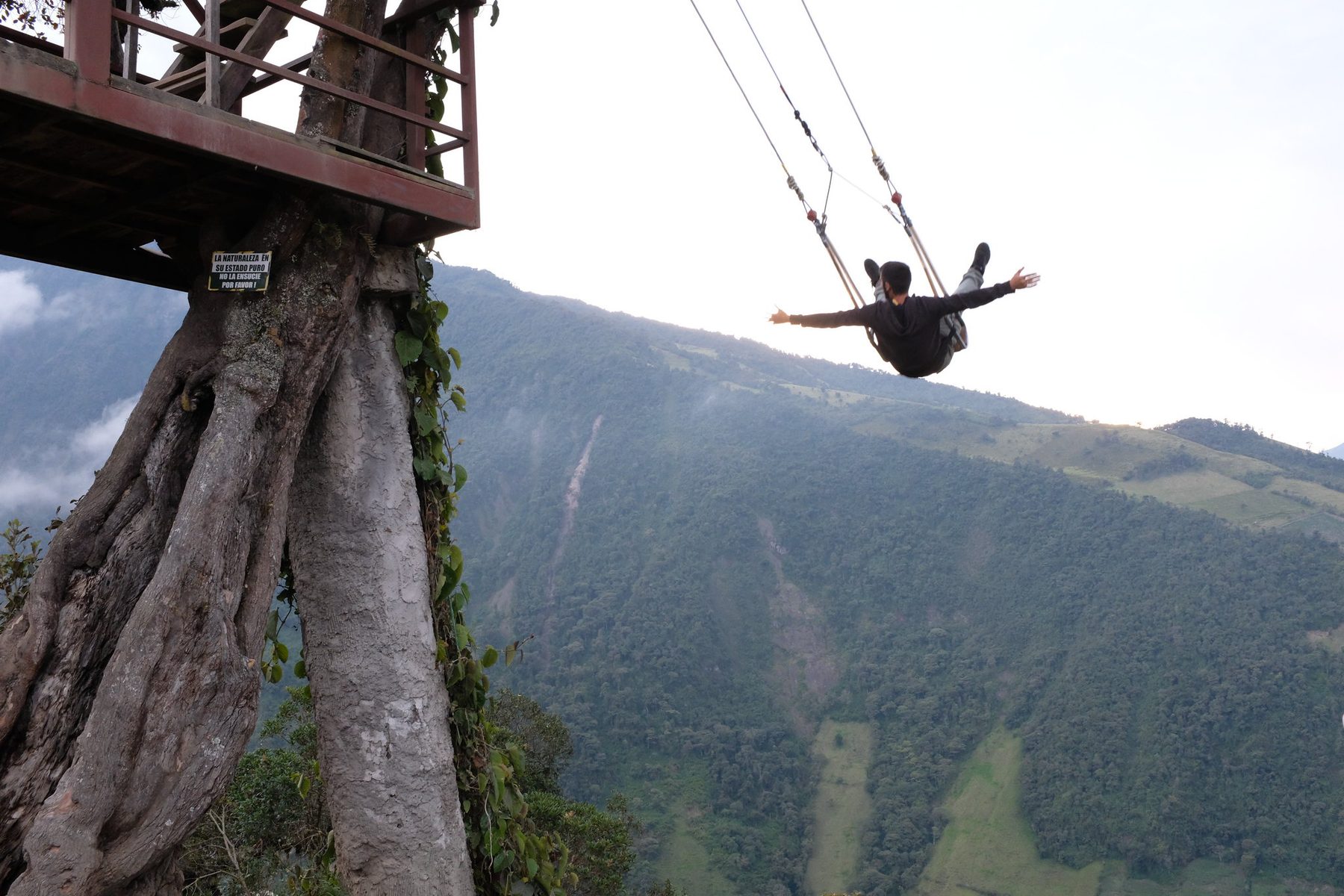
This article examines how artificial intelligence is changing the skills and competencies people need. It distinguishes capabilities likely to be affected by generative AI from those that remain essential for future learning and work.
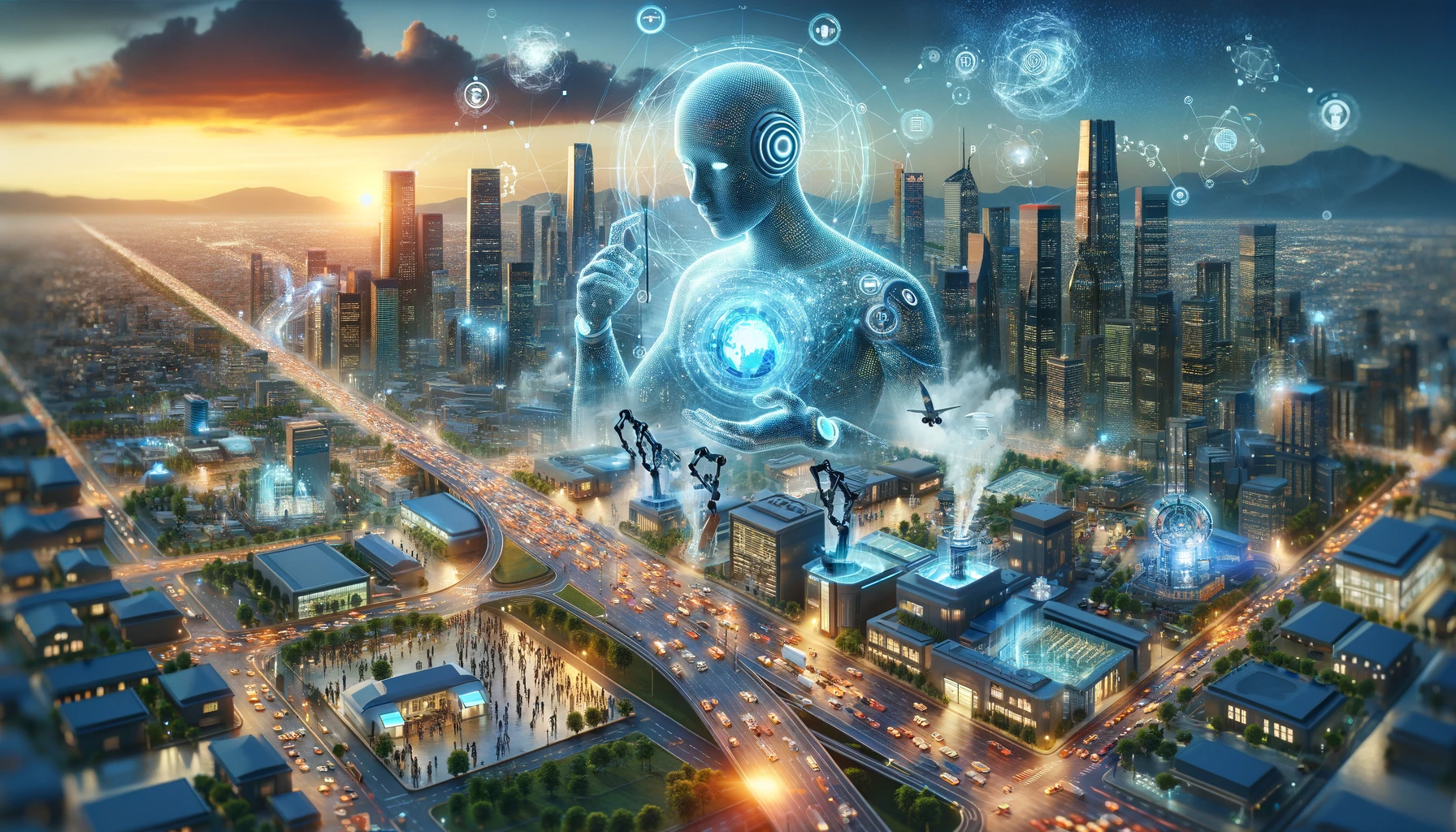
This article examines how generative AI and other technologies may automate large portions of people’s work. It considers what this inflection point means for education, skills, and human agency.
Over the past decades, I’ve explored the evolving landscape of learning and work in the 21st century. The imminent arrival of Artificial General Intelligence (AGI) is a pivotal moment in this journey, marking a transition from the theoretical to the very real and imminent.
After decades of wondering if calculators, phones, or Wikipedia have a place in schools, the next target is obviously generative AI.
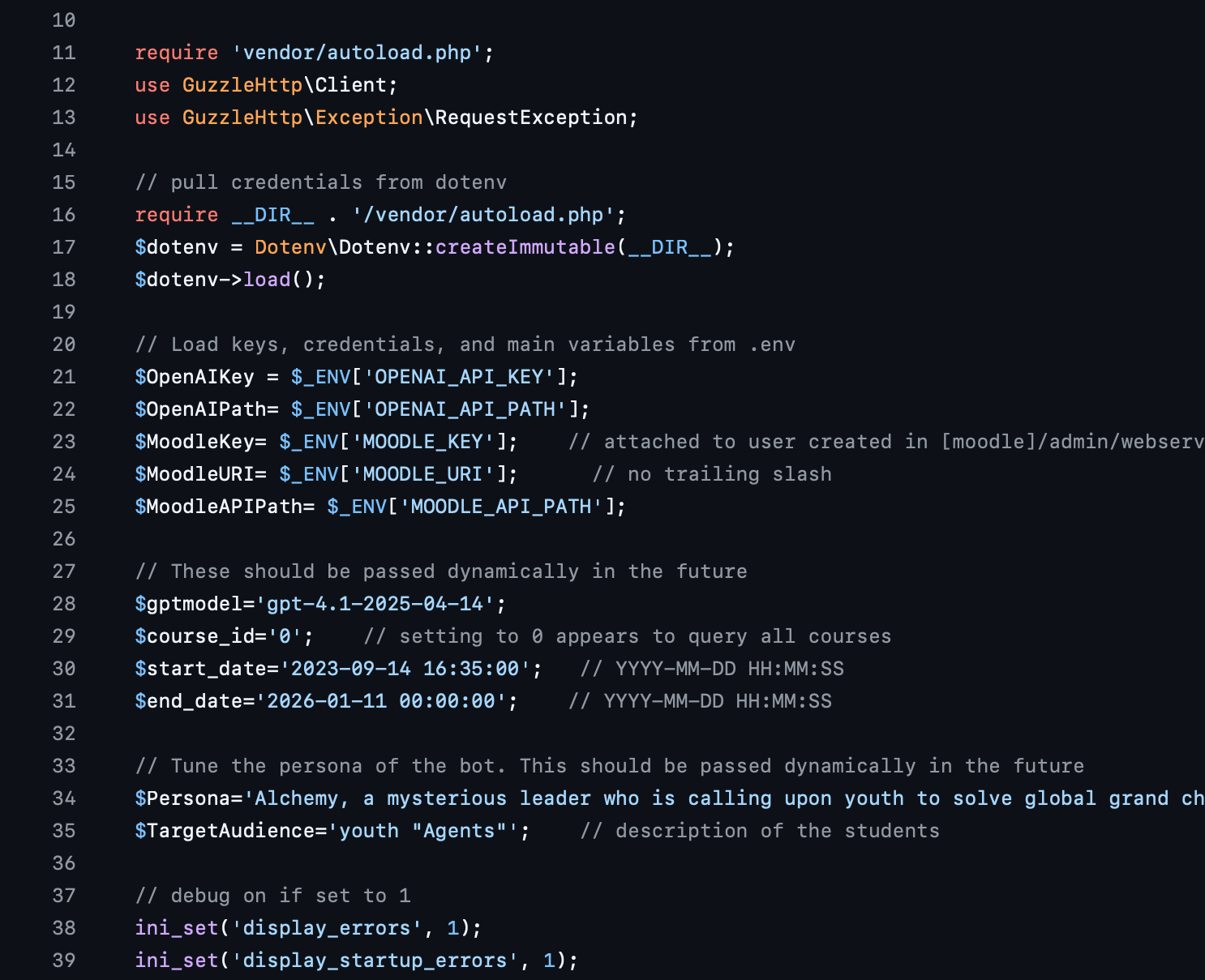
Virtual Alchemy explores how AI-powered formative feedback can expand learning access where teachers are difficult to reach. The project integrates an AI bot with Moodle for remote, resource-constrained, and crisis-affected settings.
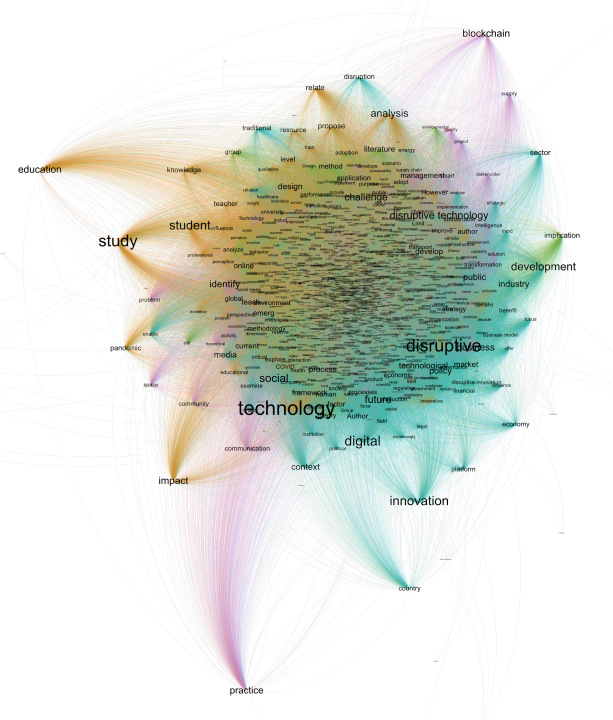
We find ourselves in an era where the languages of technology—bytes, pixels, and algorithms—have become as fundamental as the ABCs we learned in school. But are our educational systems keeping up?

Knowmads are not confined by the classic structures of a fixed workplace or set of tools. They are agile, adaptable, and adept at navigating the complexities of the modern world.
In this technological era, we cannot shy away from speaking about knowmadic people, not just learners, but workers, community members and global citizens alike. A knowmad is someone who is flexible, fluent in the technology of their time, and unafraid to take risks.
As reported in The Verge, Quizlet, came up with AI features to assist students using their tools. The notion sounds compelling, right?
Manifesto 15, conceptualized in 2015, is a forward-thinking document outlining a vision for the future of education. It proposes a shift from traditional, rigid, and standardized educational models to flexible, learner-centered, and experience-driven paradigms that embrace change, encourage lifelong learning, and foster creativity.

Coach Digital Sierra Leone delivers offline-first coaching tools that help teachers strengthen foundational teaching skills. The initiative supports professional learning in one of the world’s least connected environments.
The past year was crucially important for the world to work on building better futures for education as societies found ways to better cope with COVID-19 and schools gradually reopened. At the same time, the world experienced tremendous setbacks, such as global disruptions caused by Russia’s invasion of Ukraine and the climate catastrophe in Pakistan, with floods that destroyed or damaged nearly 27,000 schools.

This project applies strategic foresight to guide educational transformation in Prague. It considers how digital and disruptive technologies can inform education policy and practice.

This project develops a modular, gamified platform for education policy learning. It is designed to strengthen professional learning and policy capacity across education systems.
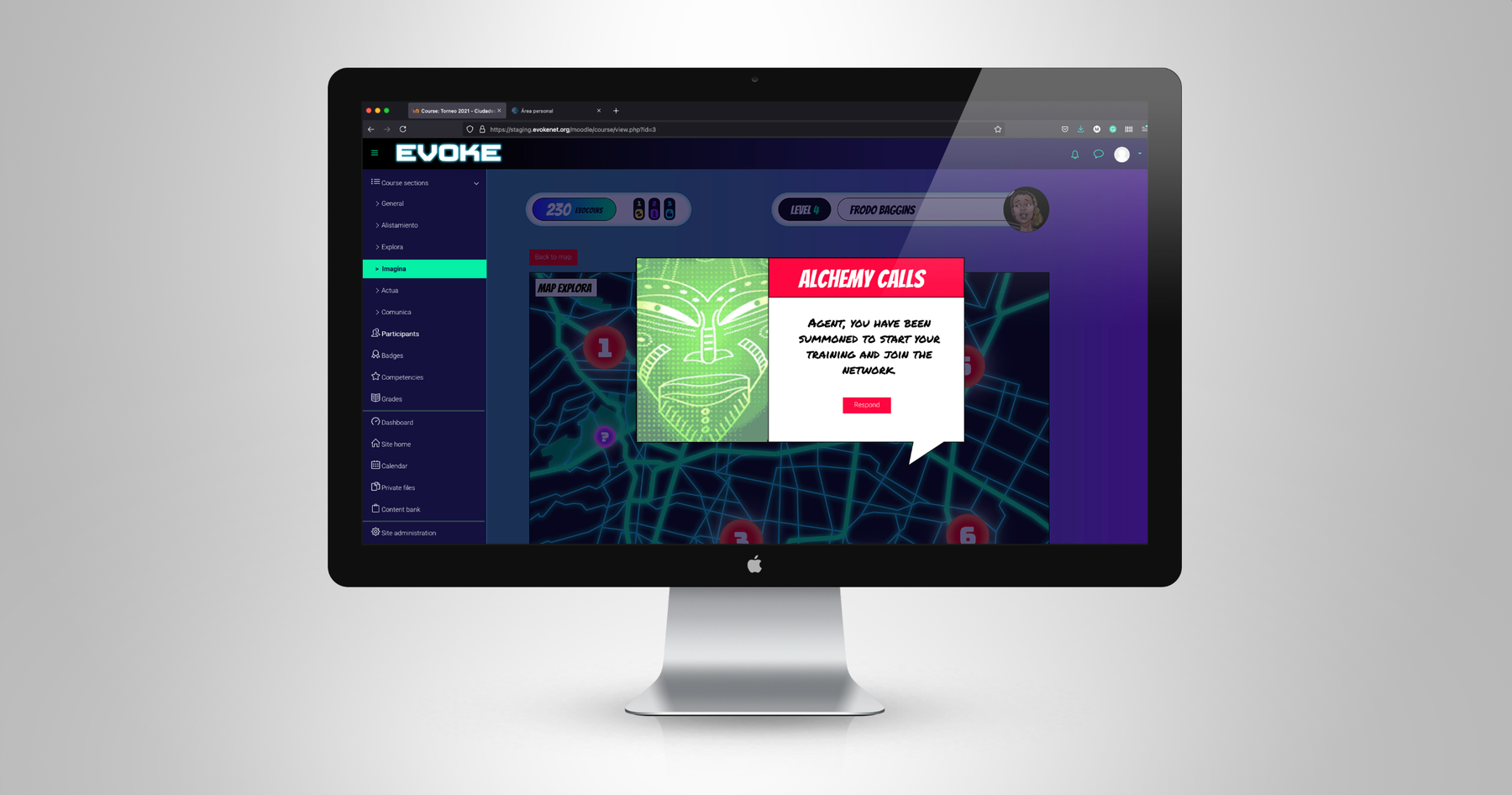
This project develops a scalable, story-based learning platform to engage young people with global grand challenges. It connects experiential learning with digital tools and opportunities for meaningful action.

Note: This article originally appeared in Sociální Pedagogika | Social Education, 8(1), 38-42.
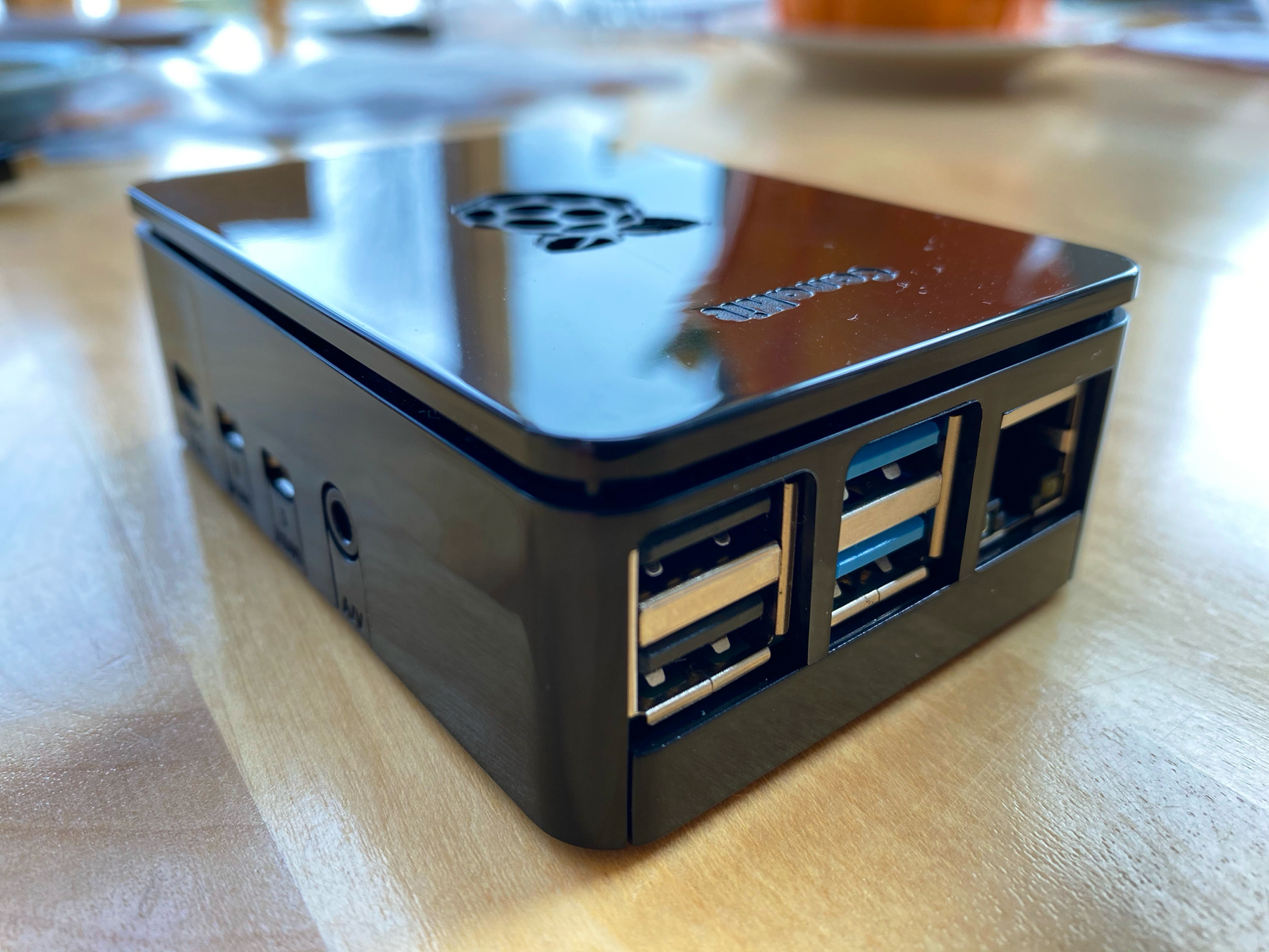
This project provides strategic design and implementation guidance for scalable, inclusive teacher coaching. It reviews digital learning platforms and educational technologies for use across low- and middle-income contexts.
Czech media maverick Bohumil “Bob” Kartous asks, can steam engines carry us into the virtual world?
Pekka Ihanainen, a Finnish teacher educator, is one of the most abstract, conceptual thinkers I have ever known. He is a crafter of ideas.

Oli Anderson interviewed Education Futures‘ John Moravec for Design Decode, a project exploring design for improving the human experience.
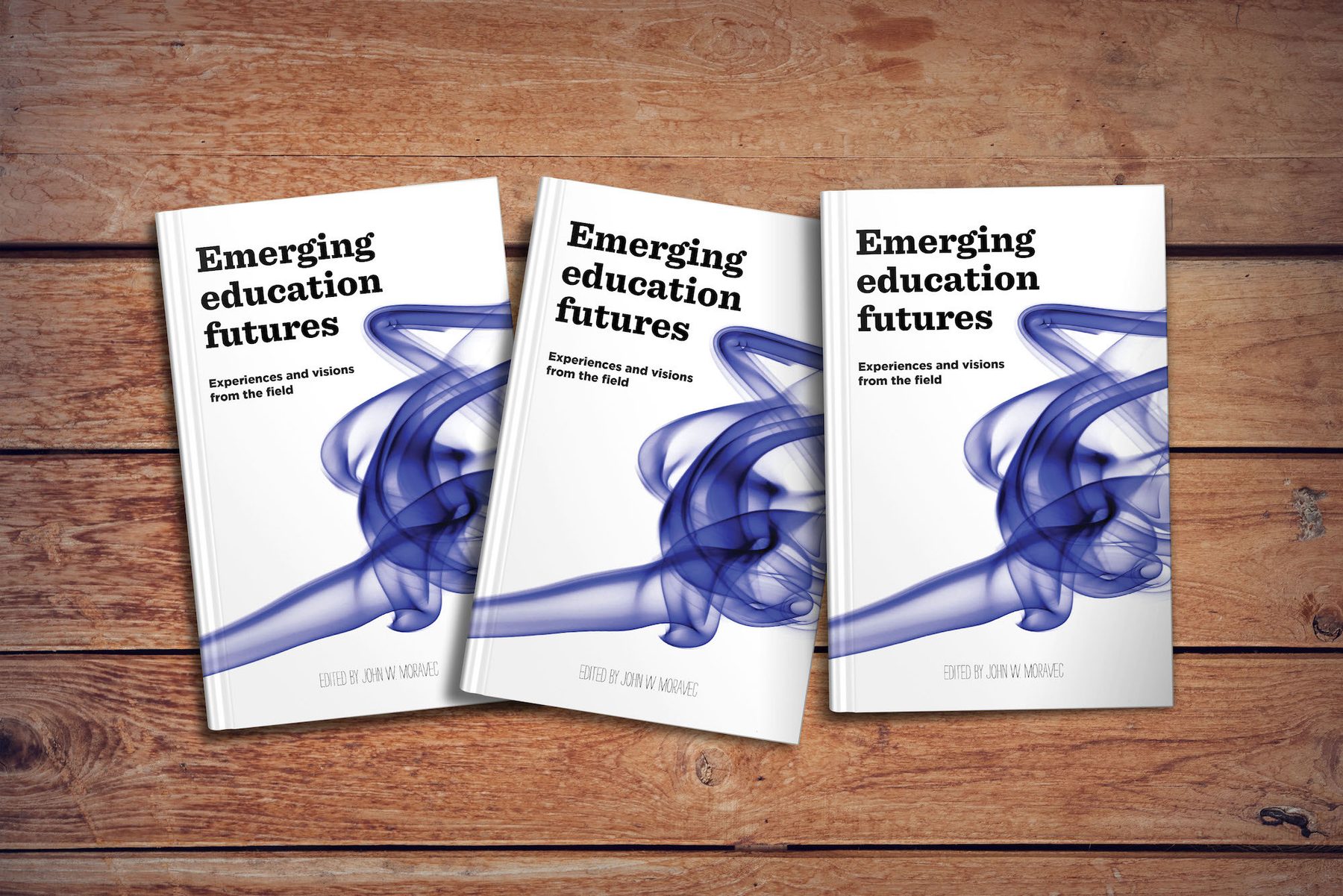
Education Futures is pleased to announce the release of the book, Emerging education futures: Experiences and visions from the field. With contributions from four continents, this volume reveals a ‘snapshot’ of some of our best thinking for building new education futures.
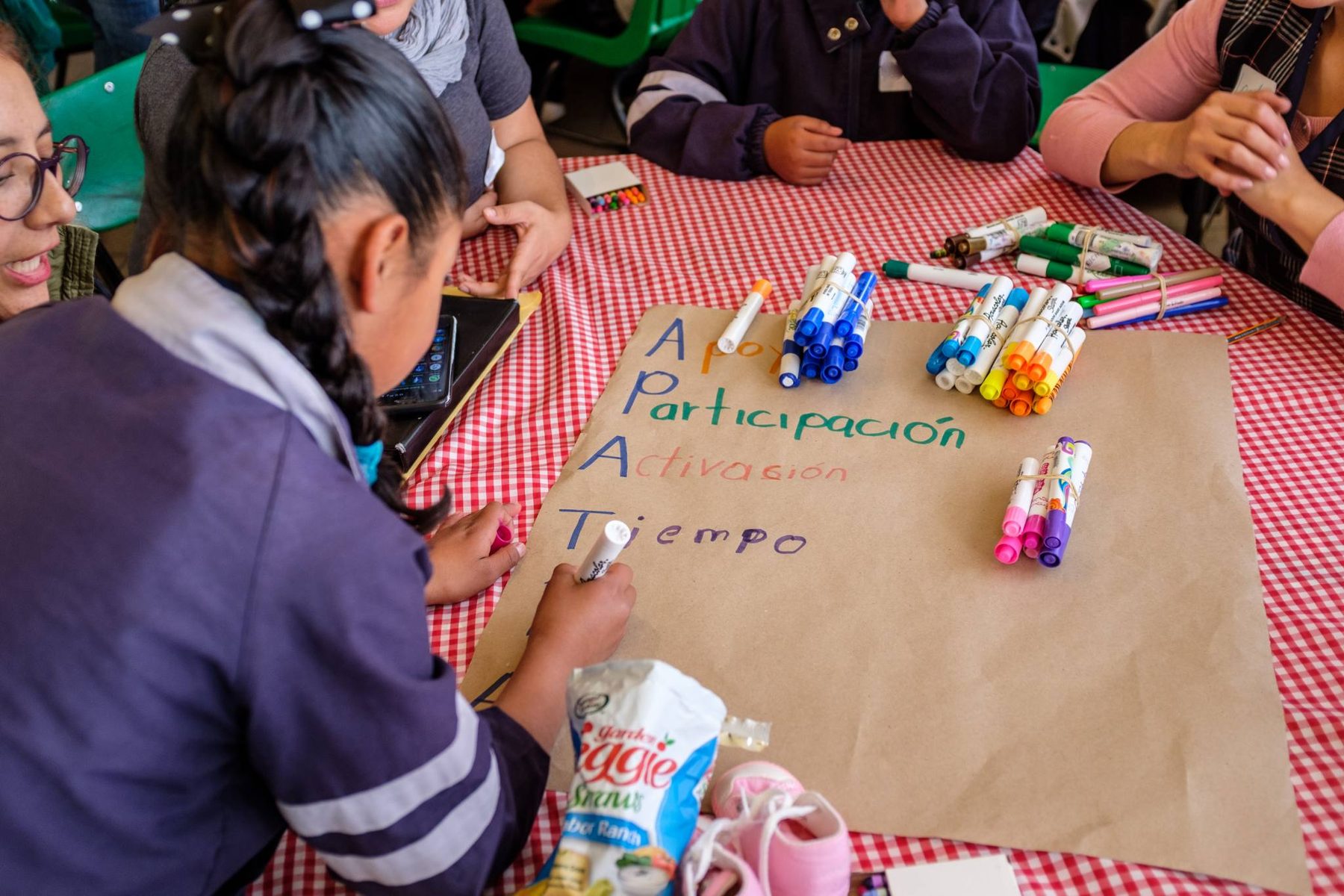
Education Futures founder John Moravec lead a diagnostic review the Secretary of Public Education’s digital citizenship program in Mexico, bringing together voices of students, teachers, and parents.
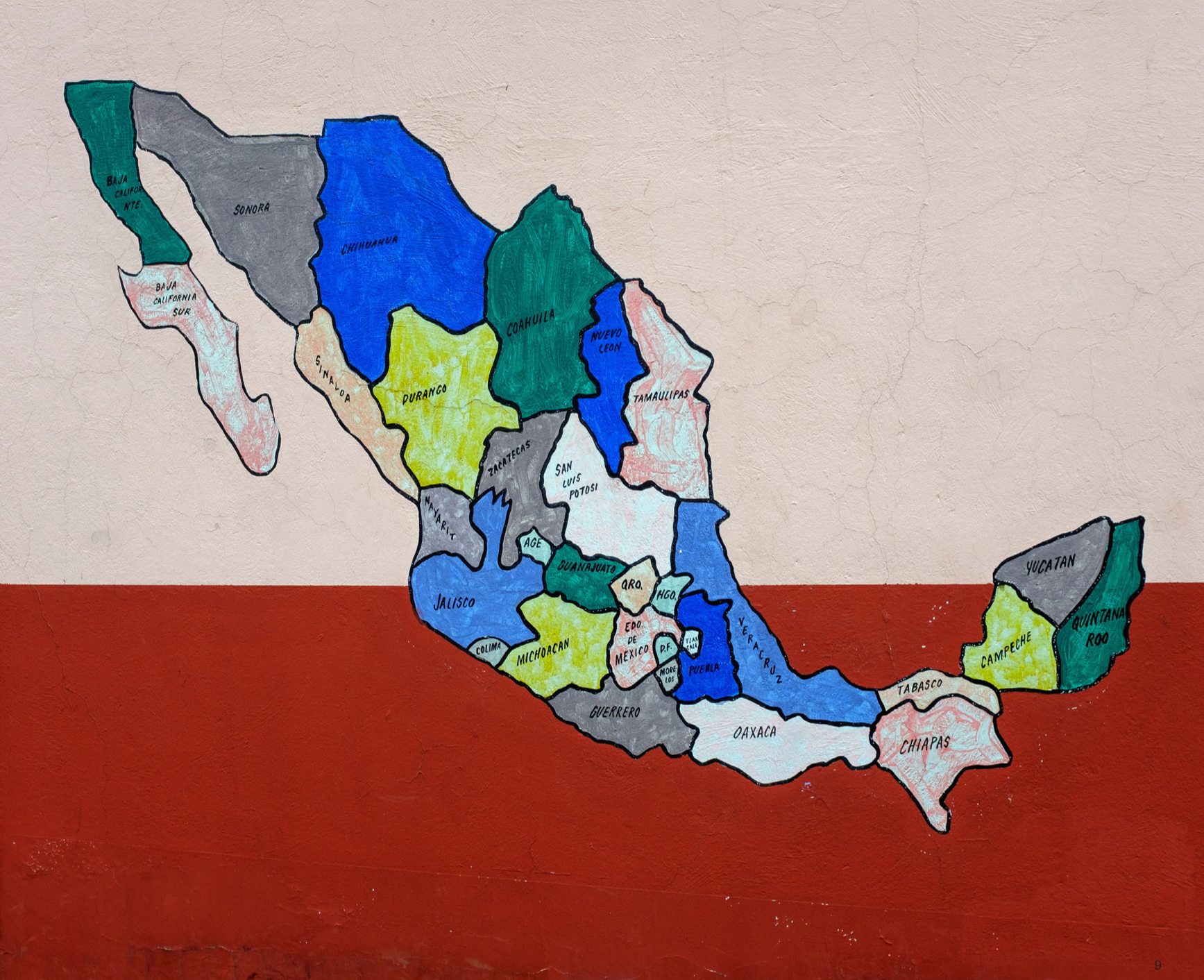
This project examines digital citizenship in Mexico through national dialogue and participatory research. It brings together perspectives from students, teachers, parents, and policymakers.

In 2006, the University of Minnesota engaged in a strategic repositioning process to transform it into one of the top universities in the world. To many, it seemed like a lot of promises, but not much substance.
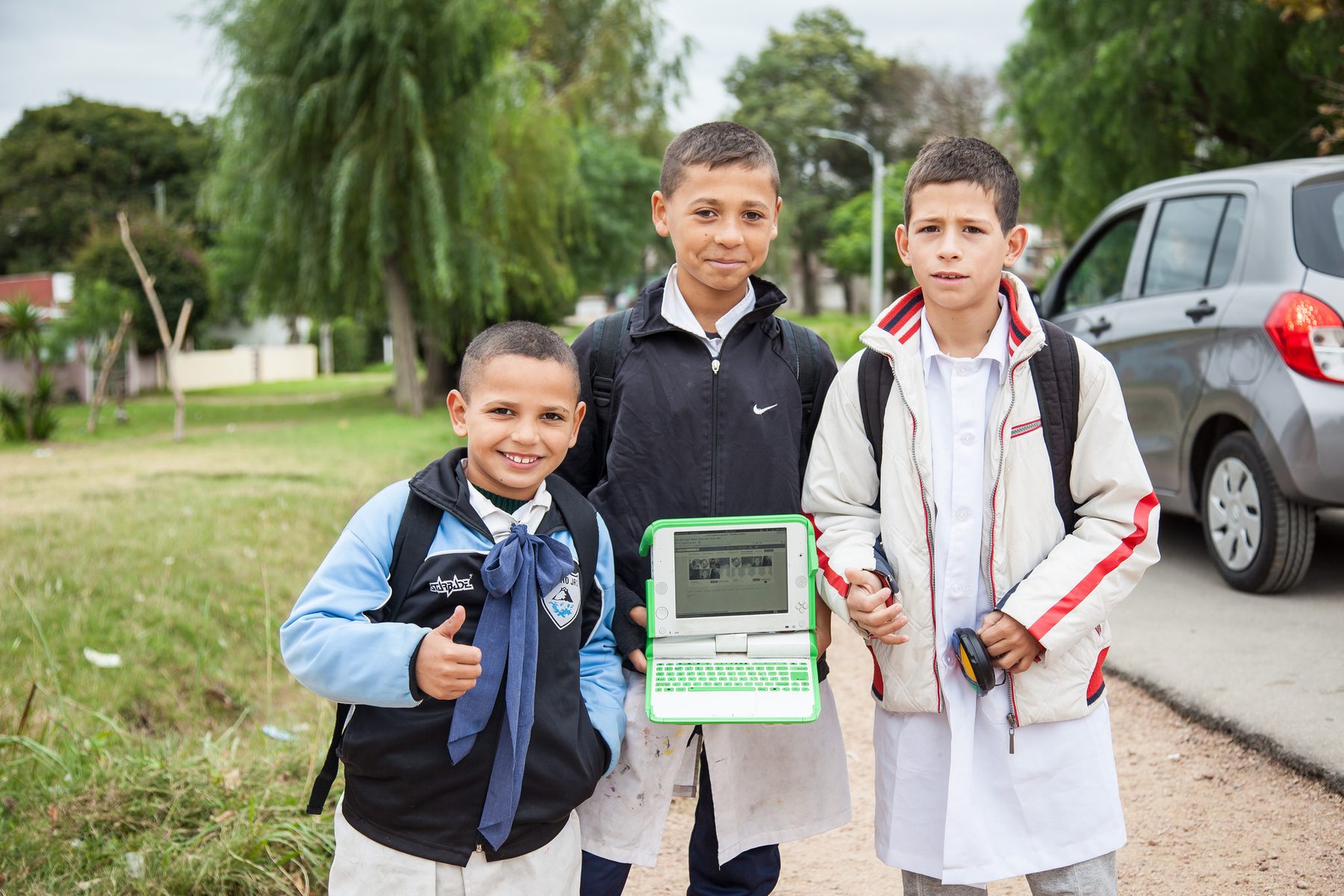
I am pleased to have collaborated with Matías Mateu and Cristóbal Cobo on the publication of research regarding the future of Uruguay’s national technological and innovation policy initiative, Plan Ceibal. As this paper is directly related to Matías‘ master’s thesis, Cristóbal and I took on largely advisory roles to support his work.
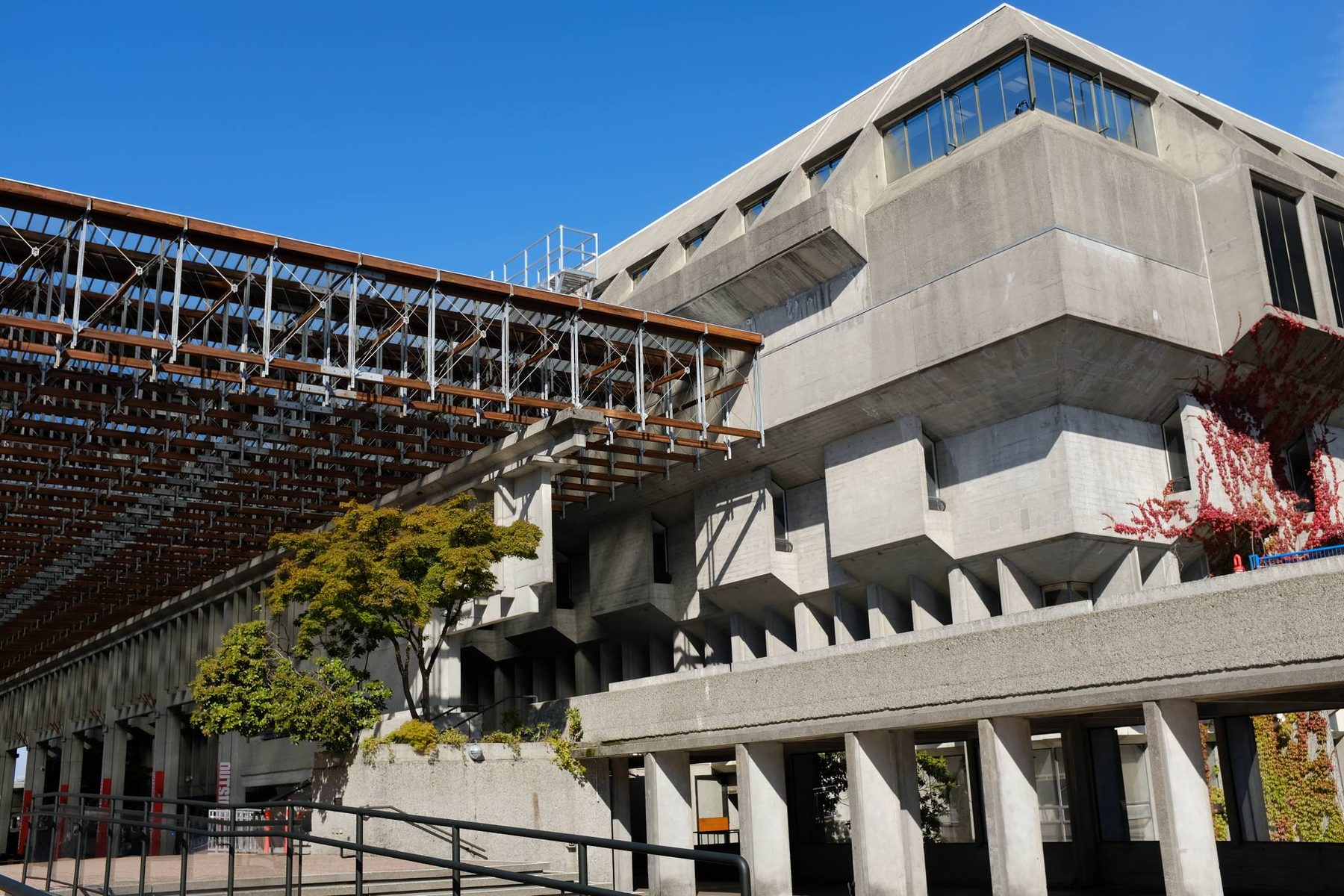
A few months ago, I received an invitation for a dream gig. Simon Fraser University at Burnaby, British Columbia is designing a master plan to guide the institution for the next 50 years, and they needed an education futurist to provide some thought leadership.
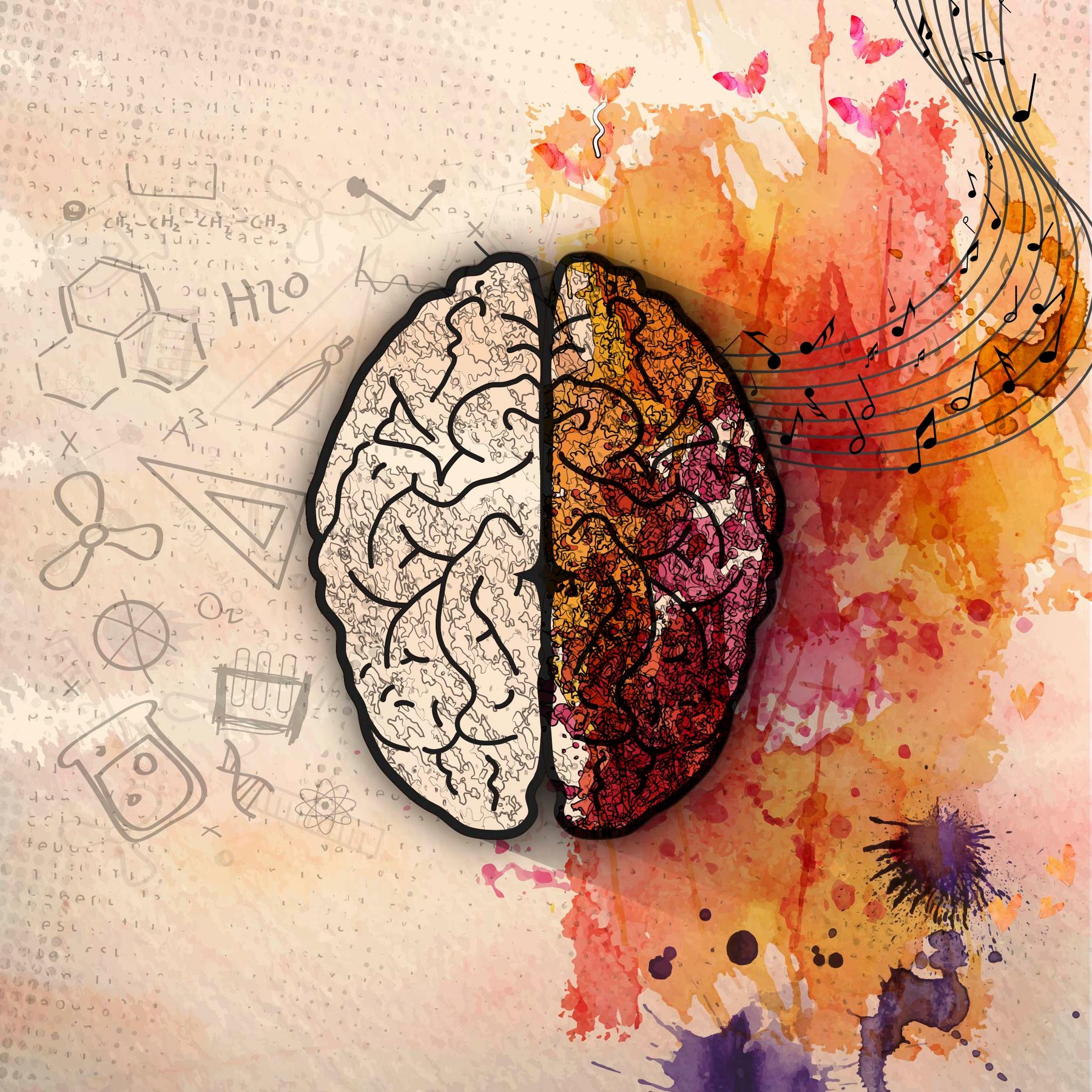
The idea of a Technological Singularity has been discussed and debated intensely since the early 1990s. Coined by Vernor Vinge and popularized by Ray Kurzweil, the idea is that as technologies evolve, technologies improve, costs decrease; and, in turn, the process of technological evolution advances and speeds itself up, creating a J-curve of exponential, accelerating change.
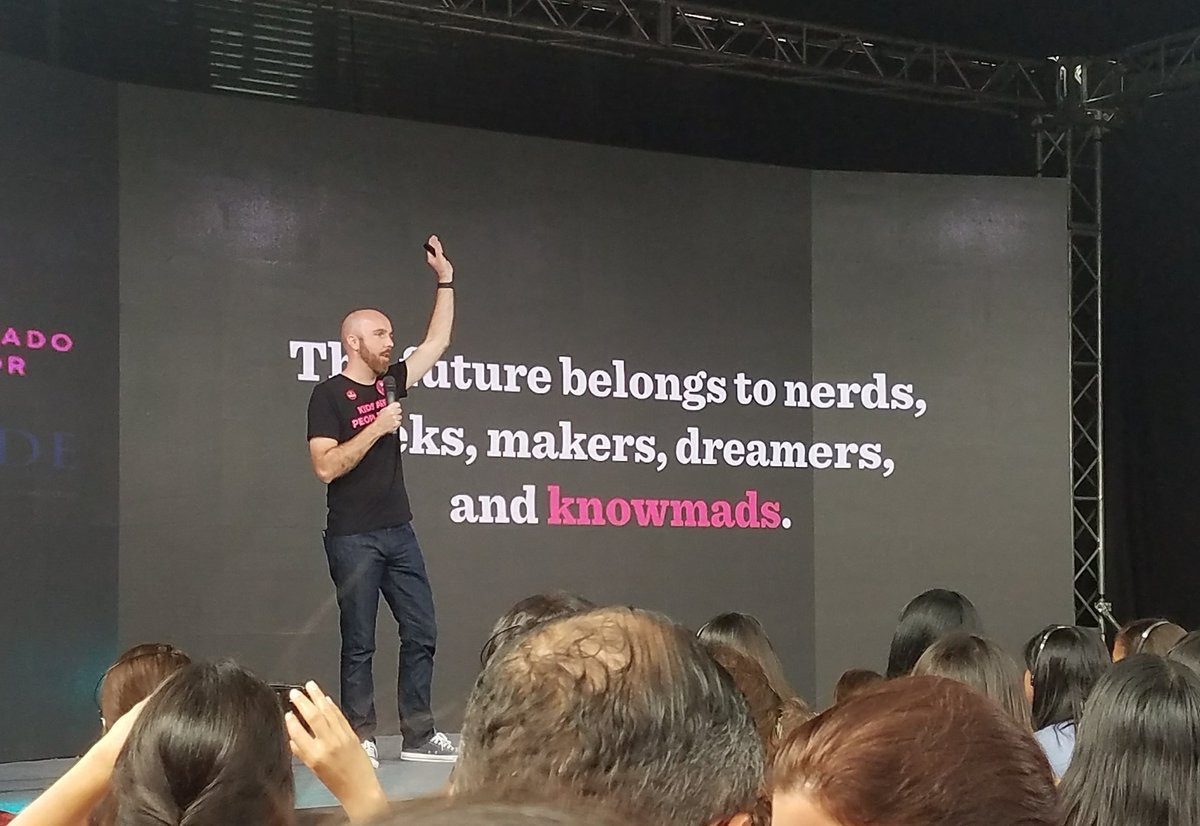
Education Futures founder Dr. John Moravec has embarked on a global tour to redesign mainstream education systems.
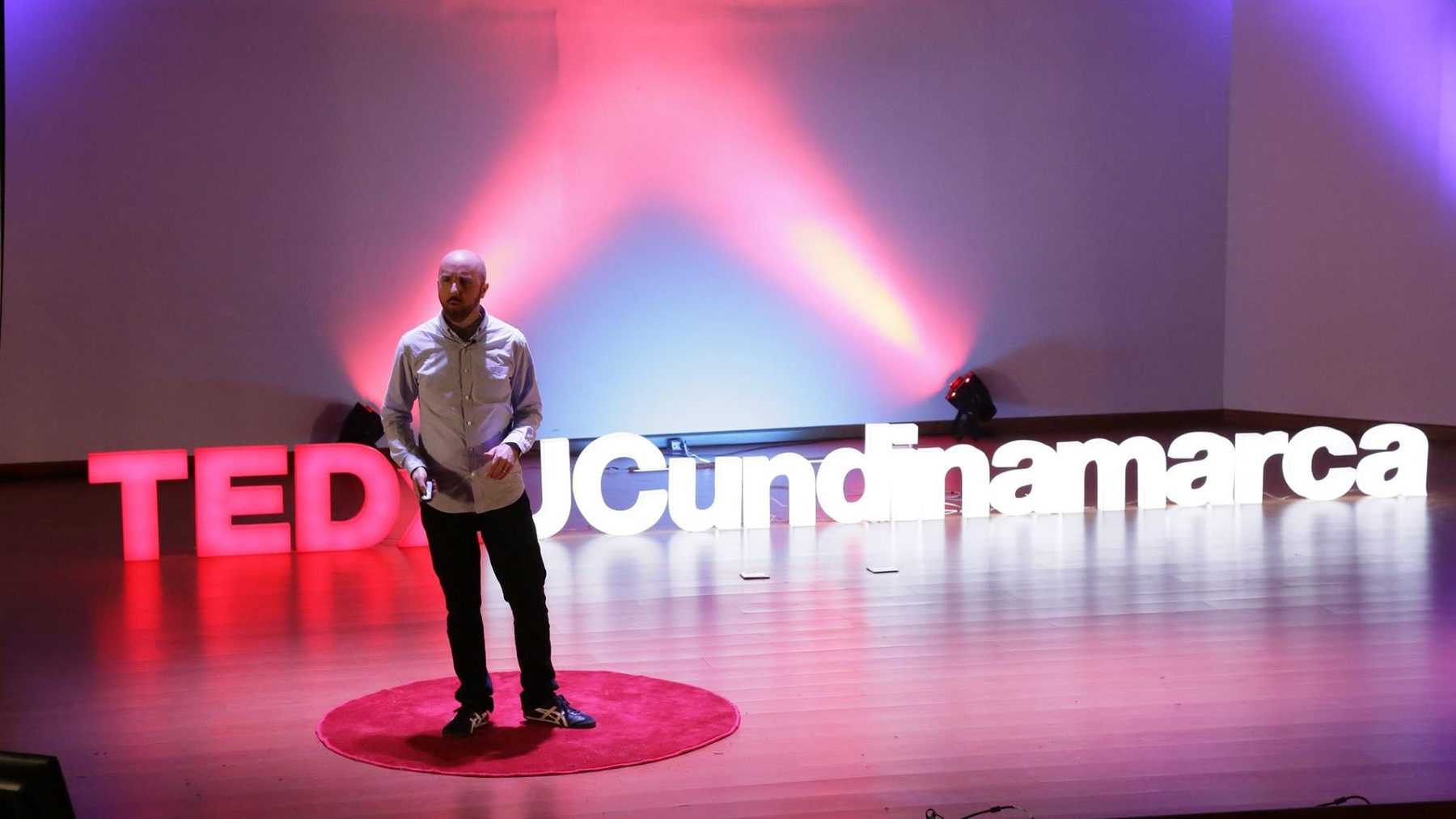
Who gets to decide what kids learn? For whose benefit is all this, really?
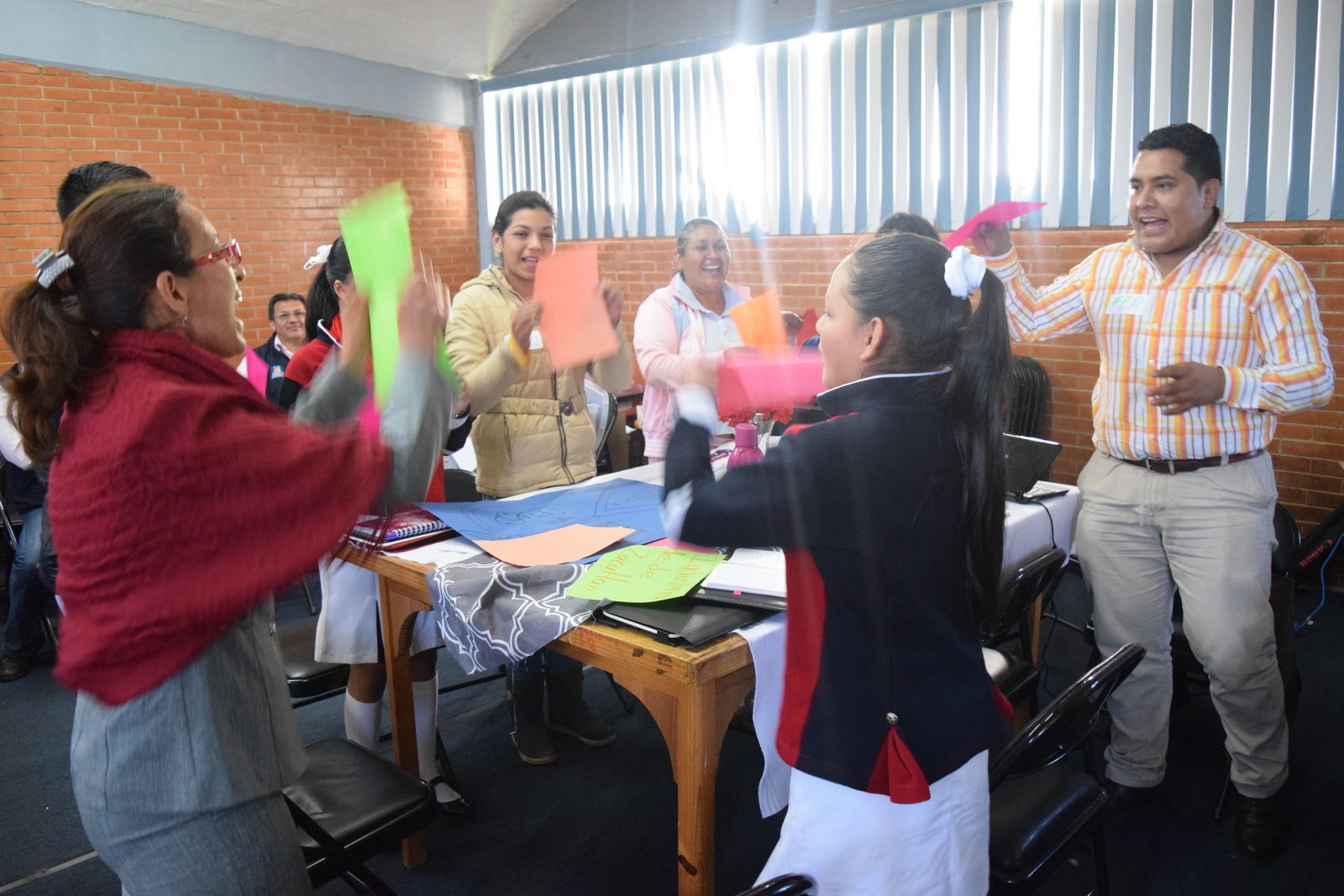
Education Futures and Fundación Ceibal (Uruguay) are pleased to share the outcomes of their 2-month research project for the Secretary of Public Education of the State of Puebla (“SEP-Puebla,” Mexico). Dr.
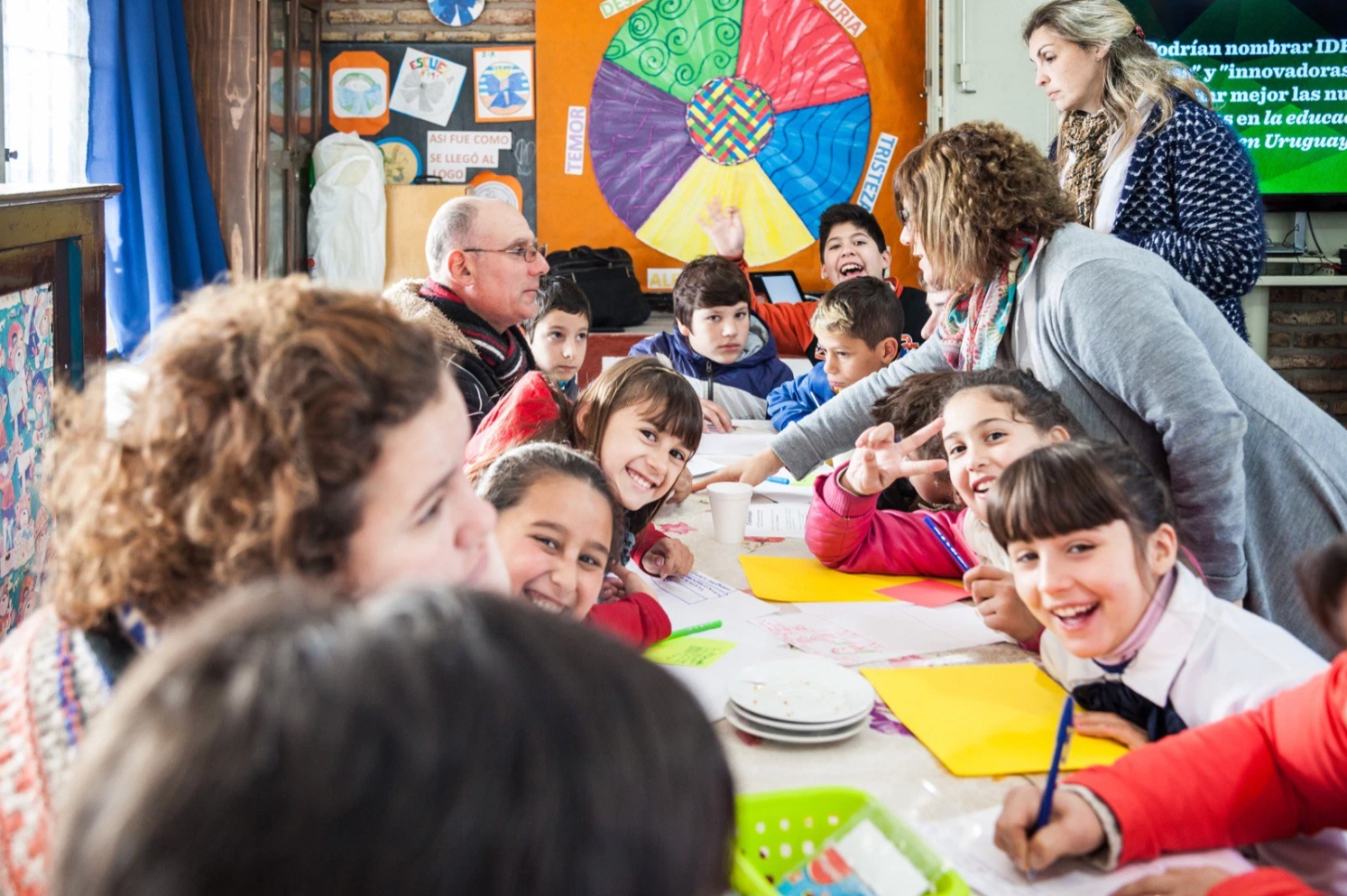
This project examines how Uruguay’s Plan Ceibal shaped educational technology and community participation. It asks what comes next for meaningful, equitable use of digital tools in primary education.
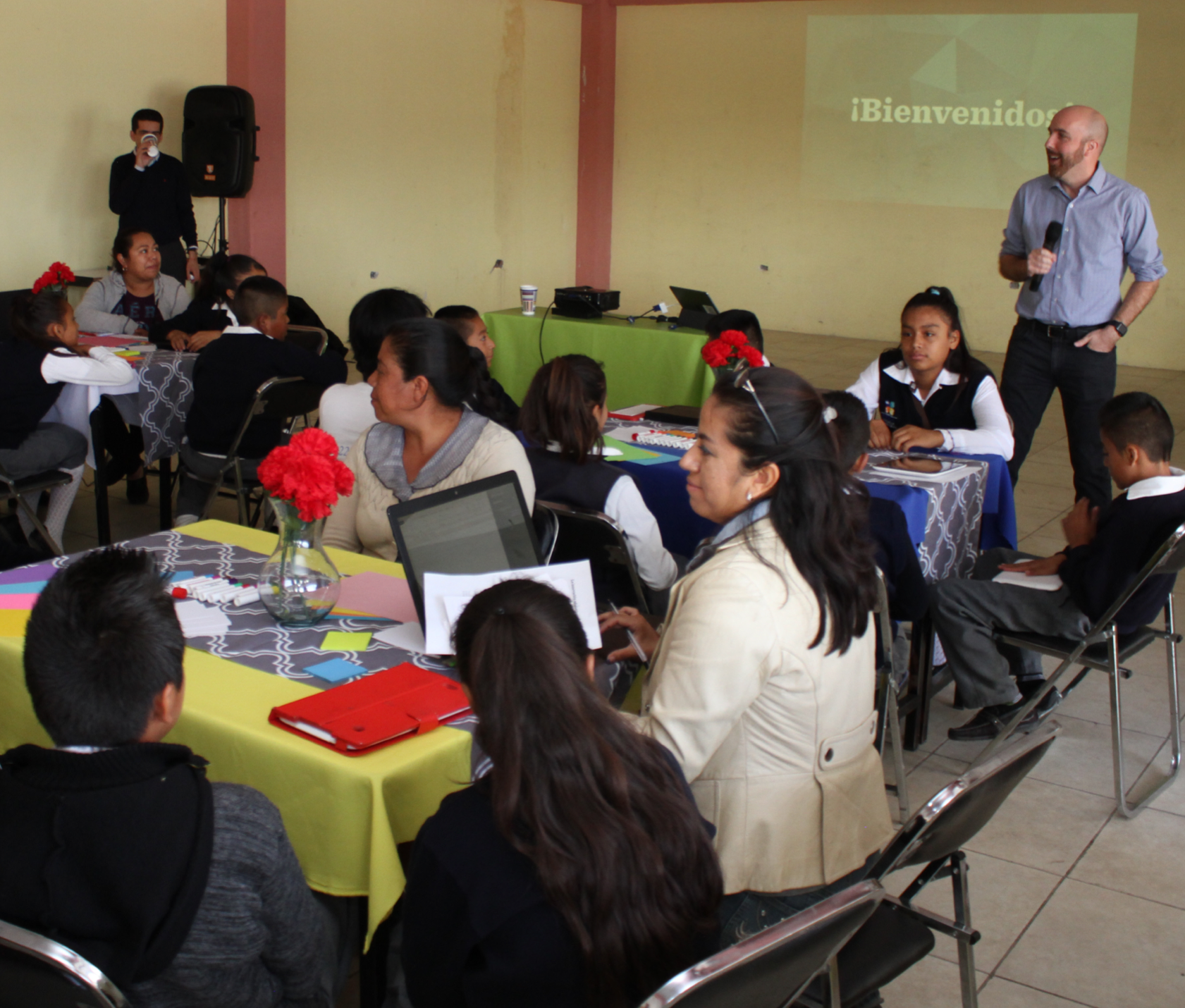
This project creates a participatory roadmap for educational innovation in Puebla, Mexico. It grounds recommendations in the voices and experiences of students, teachers, and other education stakeholders.

Youth are the main consumers and participants in education. Despite intimate knowledge of the successes and failures of modern education, youth rarely become architects, shapers, or producers of a system that is built on their behalf.
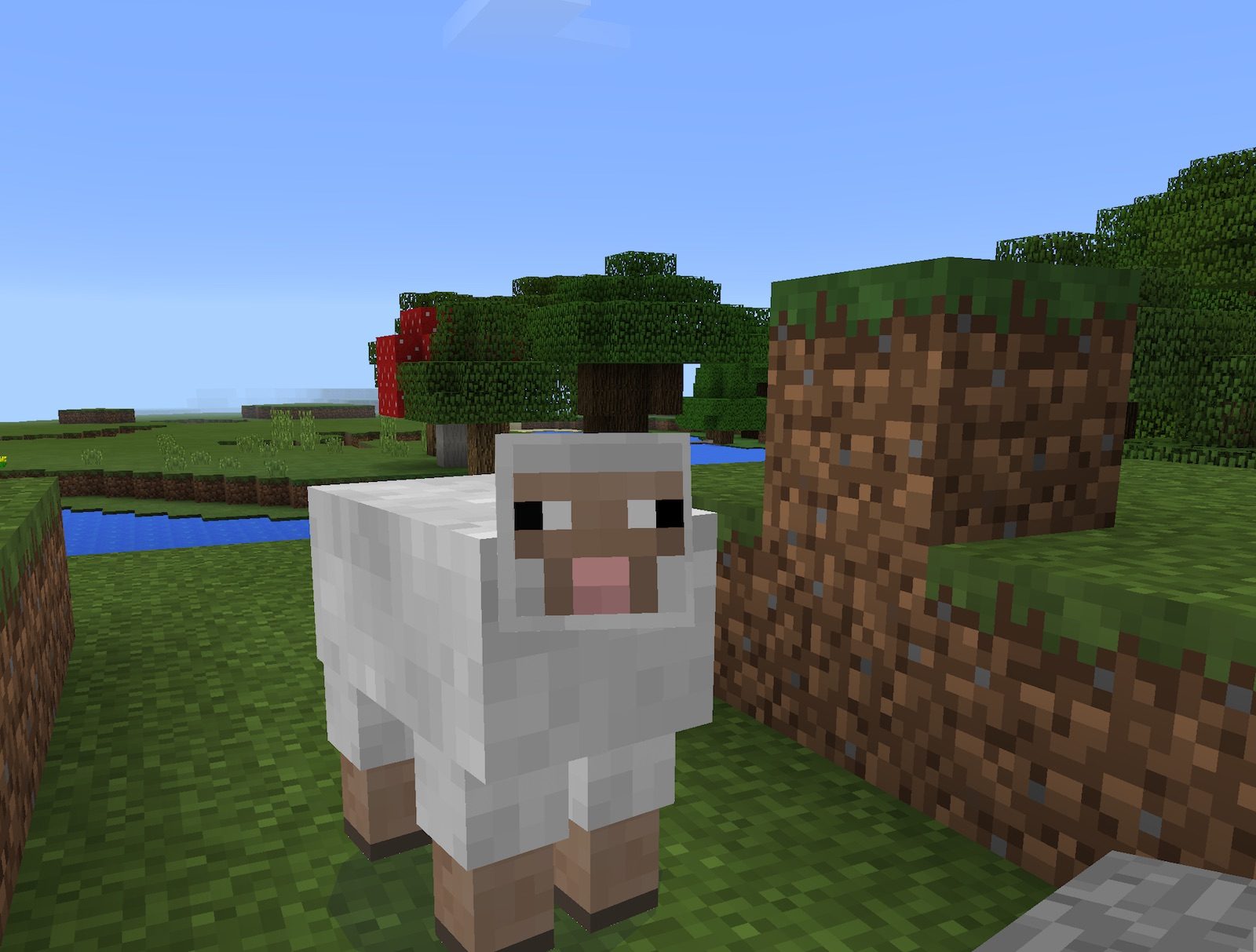
It’s “back to school” season in the United States and Europe, and the social media universe is ablaze with ideas on how to harness the Pokémon Go craze in the classroom.
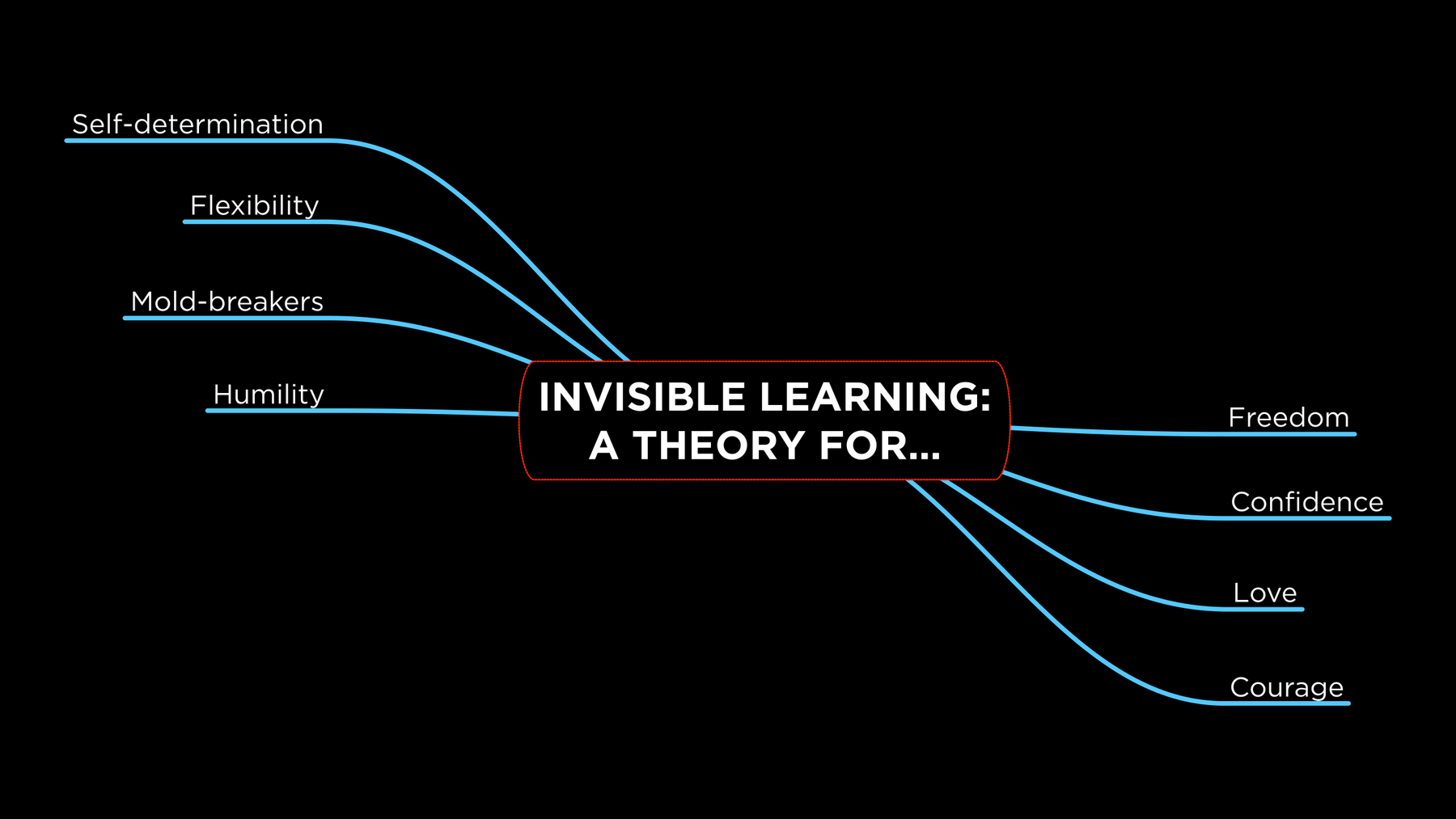
This second article in a three-part series develops a theory of invisible learning. It examines how informal, non-formal, and serendipitous experiences shape what people know.
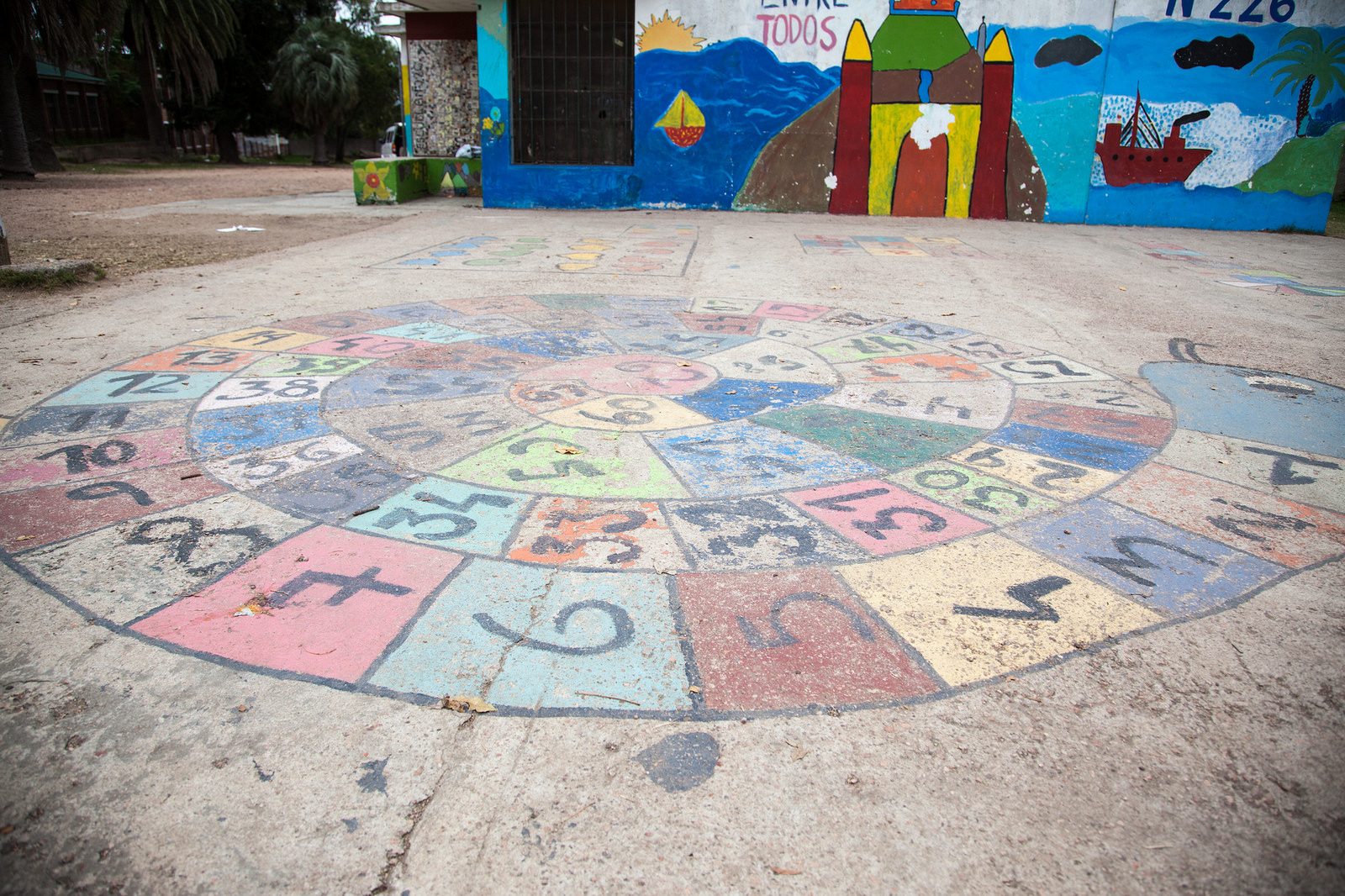
This final article in a three-part series presents approaches for enabling invisible learning. It highlights participation, play, exploration, and learner self-determination.
Note: This is the first article in a three-part series on a new theory for invisible learning.
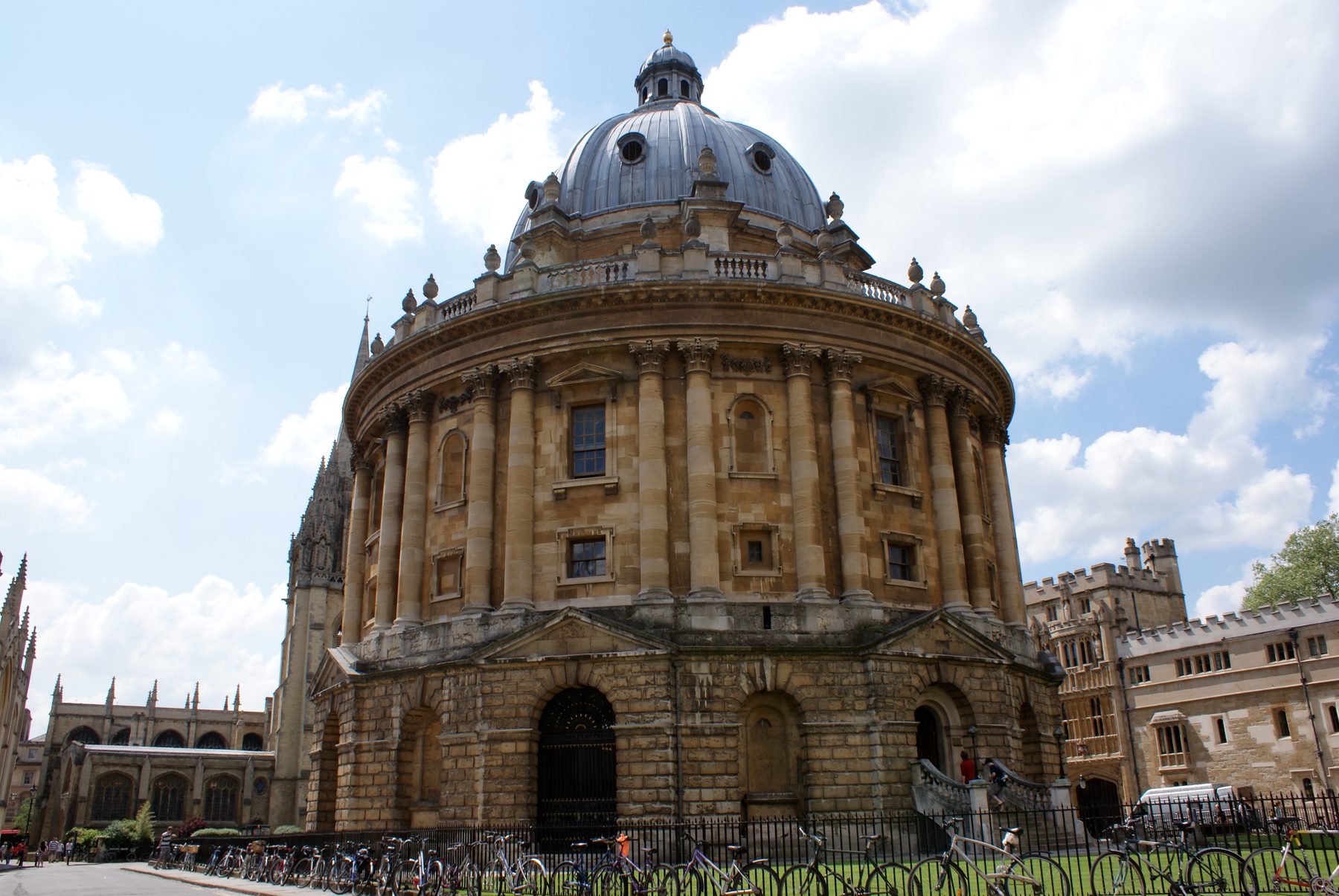
This article considers how research and special libraries can evolve for a Knowmad Society. It explores the changing role of libraries in connecting people, knowledge, technology, and innovation.

Education Futures founder, John Moravec, had the pleasure of visiting with the Ministry of Education in the Province of Chubut, Argentina for Aulas Creativas on February 27-28 this year. The program team recently published this excellent video, which outlines new perspectives for thinking about education.

Like many of us, I did some reflecting over the New Year. It seemed it was time to re-center, and get back to basics.
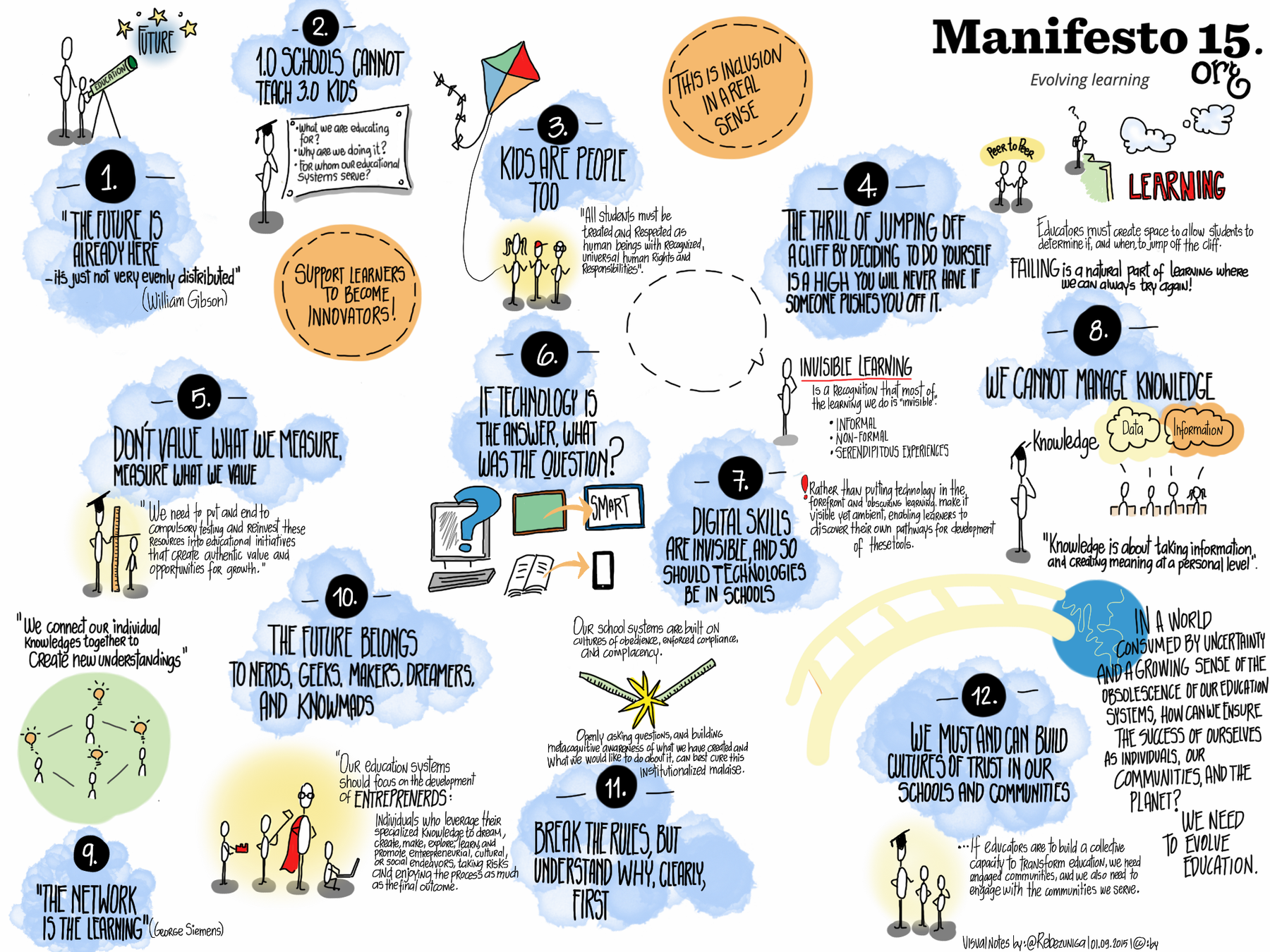
A global call to rethink the purpose, design, and impact of education in the 21st.
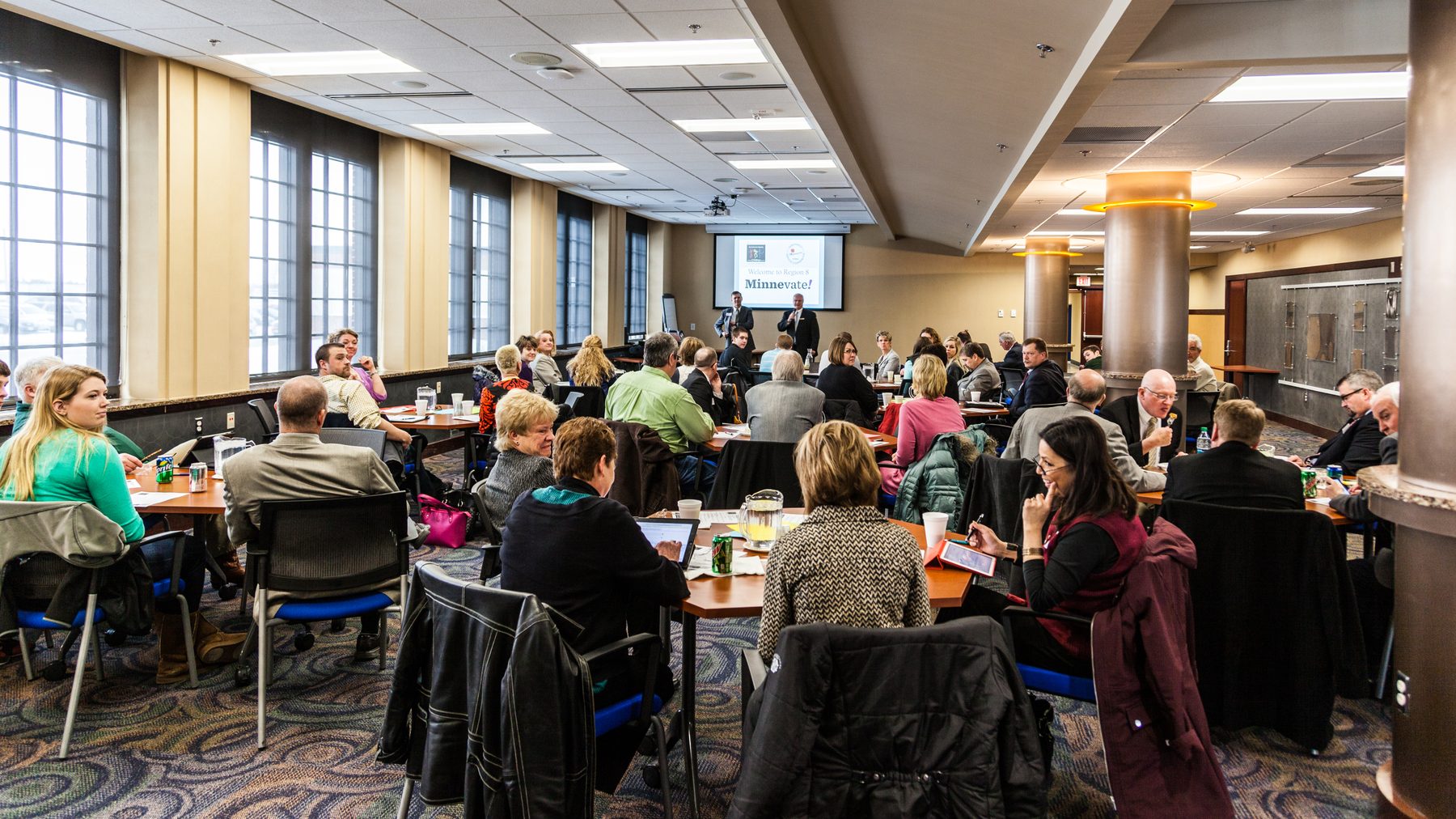
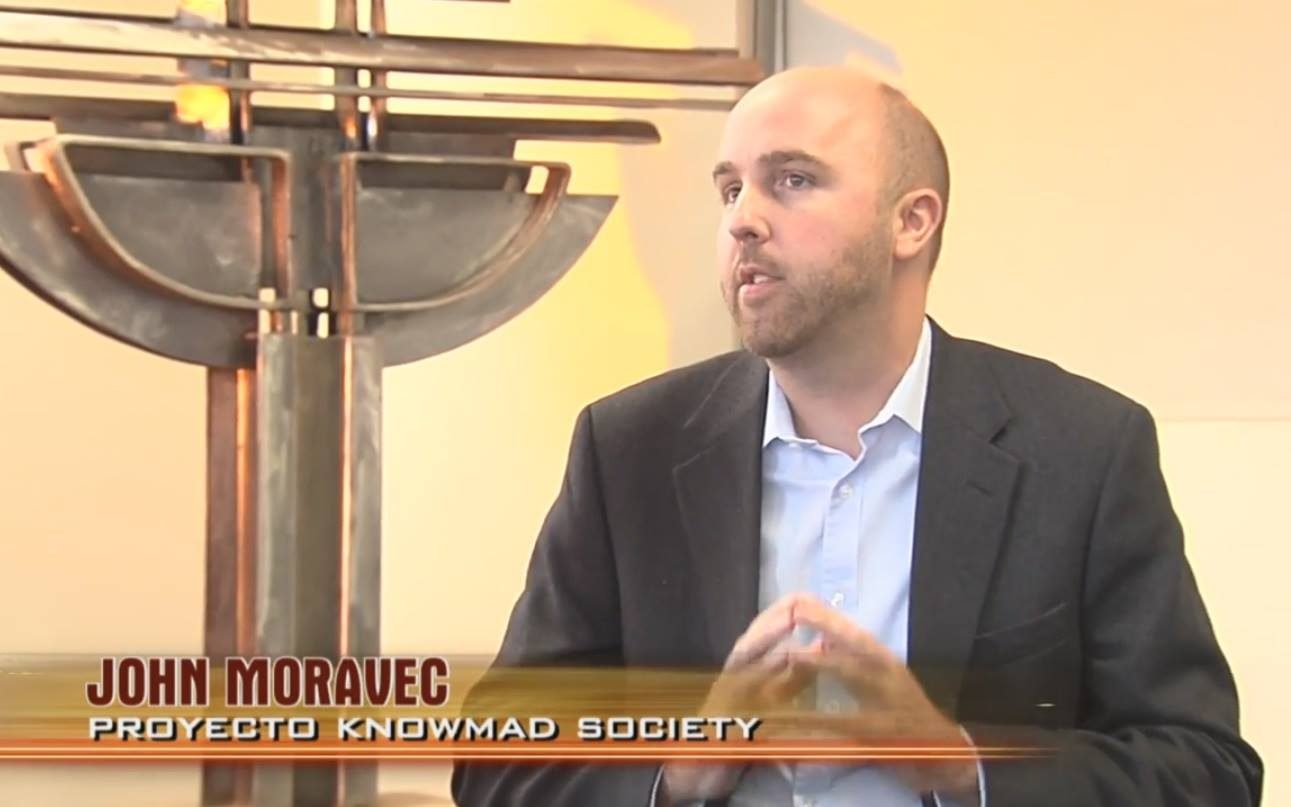
Last week, the Peruvian television program “Umbrales” (TV Perú) broadcasted a program on knowmads in Peru and Latin America. Dr.
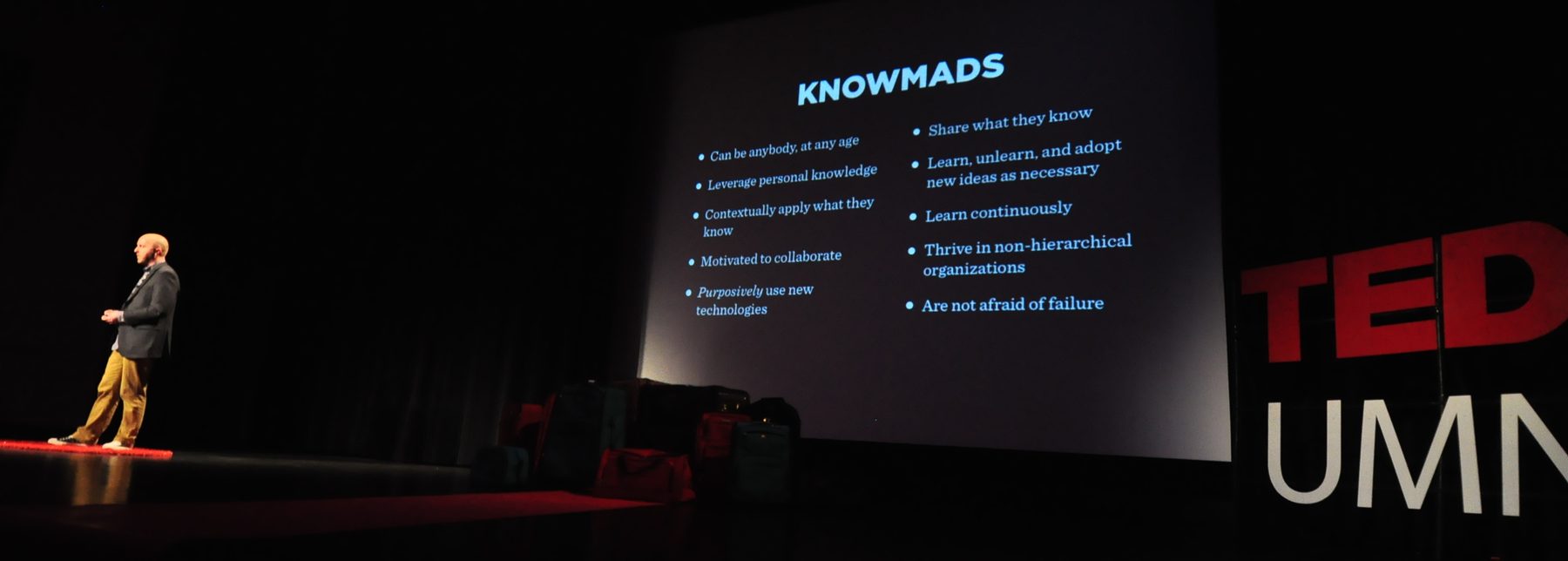
Knowmads are nomadic knowledge workers –creative, imaginative, and innovative people who can work with almost anybody, anytime, and anywhere. The jobs associated with 21st century knowledge and innovation workers have become much less specific concerning task and place, but require more value-generative applications of what they know.
This report reflects on the 2013 European Democratic Education Community conference. It considers how democratic education supports learner agency, participation, and new approaches to schooling.

In many the conversations about design thinking in schools, we tend to assume that mainstream education is poorly designed. What if it wasn’t?
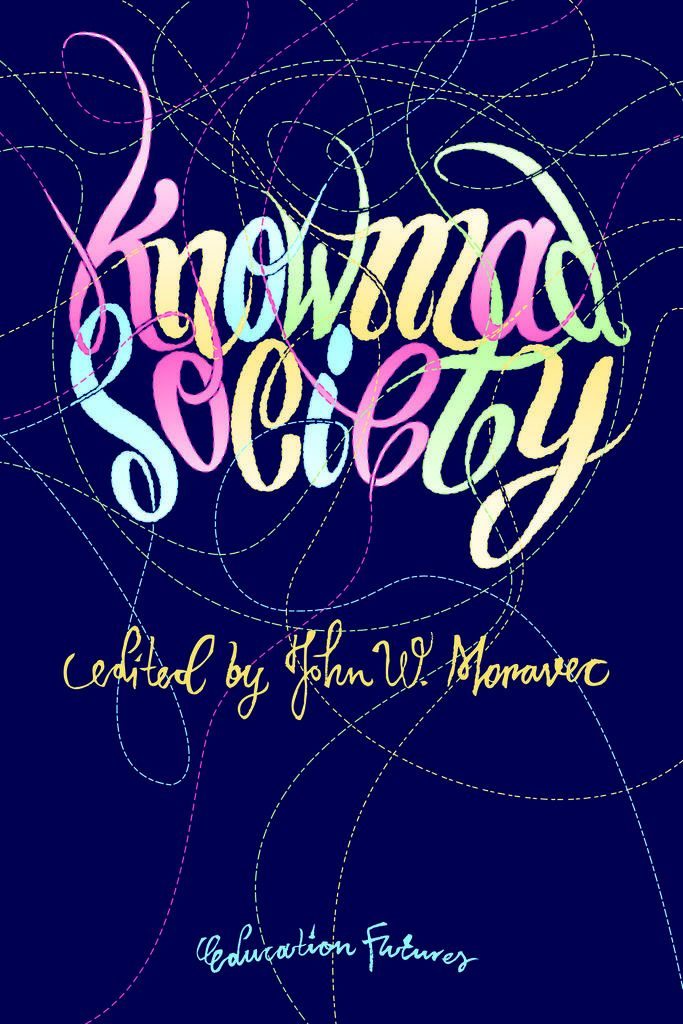
I am very pleased to share that the print edition of Knowmad Society is released, and it is beautiful!
Read this special issue of On the Horizon for free until 20 June 2013.

Matt Novak uses a paleofuture perspective to examine how earlier generations imagined tomorrow. The conversation reveals what those visions say about our hopes, fears, and assumptions about the future.

A couple weeks ago, Carlos Scolari interviewed me for a project on pedagogical innovation and disruptive practices in higher education at the Universitat Pompeu Fabra (Barcelona). The aim of the project is to produce a document on the “university of the future,” including diagnosis, trends, and proposals for moving forward.
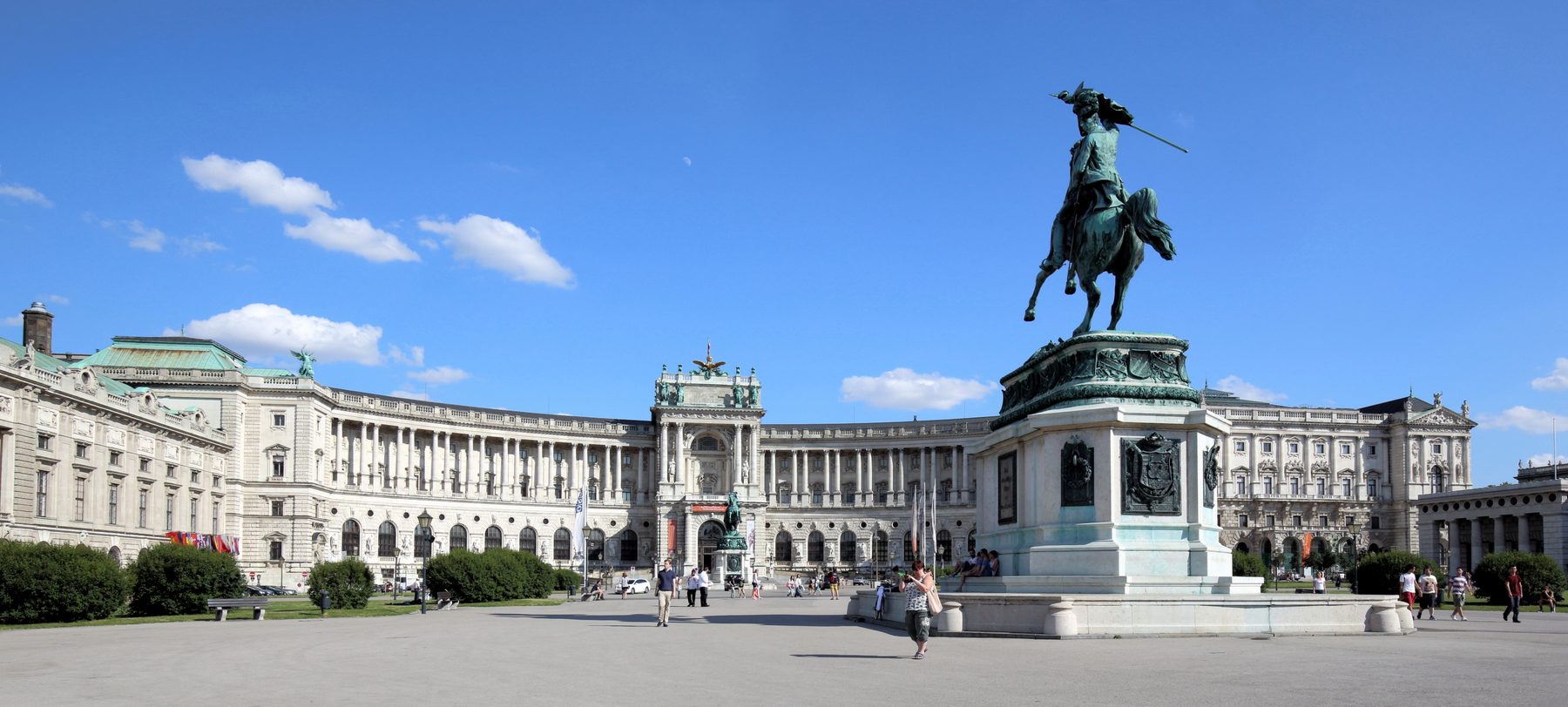
Last week, I attended the two-day Pioneers Festival in Vienna. Housed in the Hofburg imperial palace (an “impossible to book” venue), the event was a mixture between discussions, speeches and interactive workshops with topics concerning entrepreneurship, innovation, and technology.

Editor’s note: This provocative commentary originally appeared in Heb jij iets geleerd vandaag? – Een Sudbury school perspectief op leren, a blog by Sudbury schools in the Netherlands.

In this interview, John Moravec speaks with science fiction author and mathematician Vernor Vinge about the technological singularity. They consider how accelerating technological change could affect schools and society.
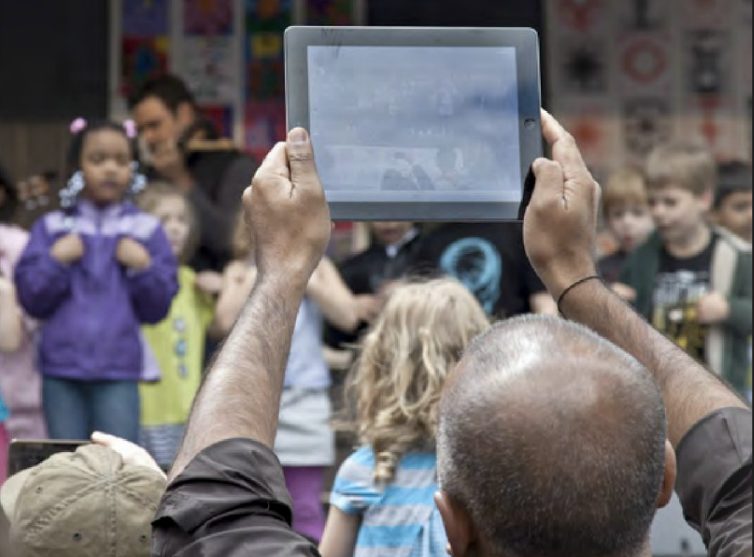
This article explores what Teacher 3.0 might look like in a networked learning environment. It focuses on sharing, creating, and connecting knowledge beyond traditional classroom roles.

A knowmad is what I have previously termed a nomadic knowledge and innovation worker – that is, a creative, imaginative, and innovative person who can work with almost anybody, anytime, and anywhere. Moreover, knowmads are valued for the personal knowledge that they possess, and this knowledge gives them a competitive advantage.
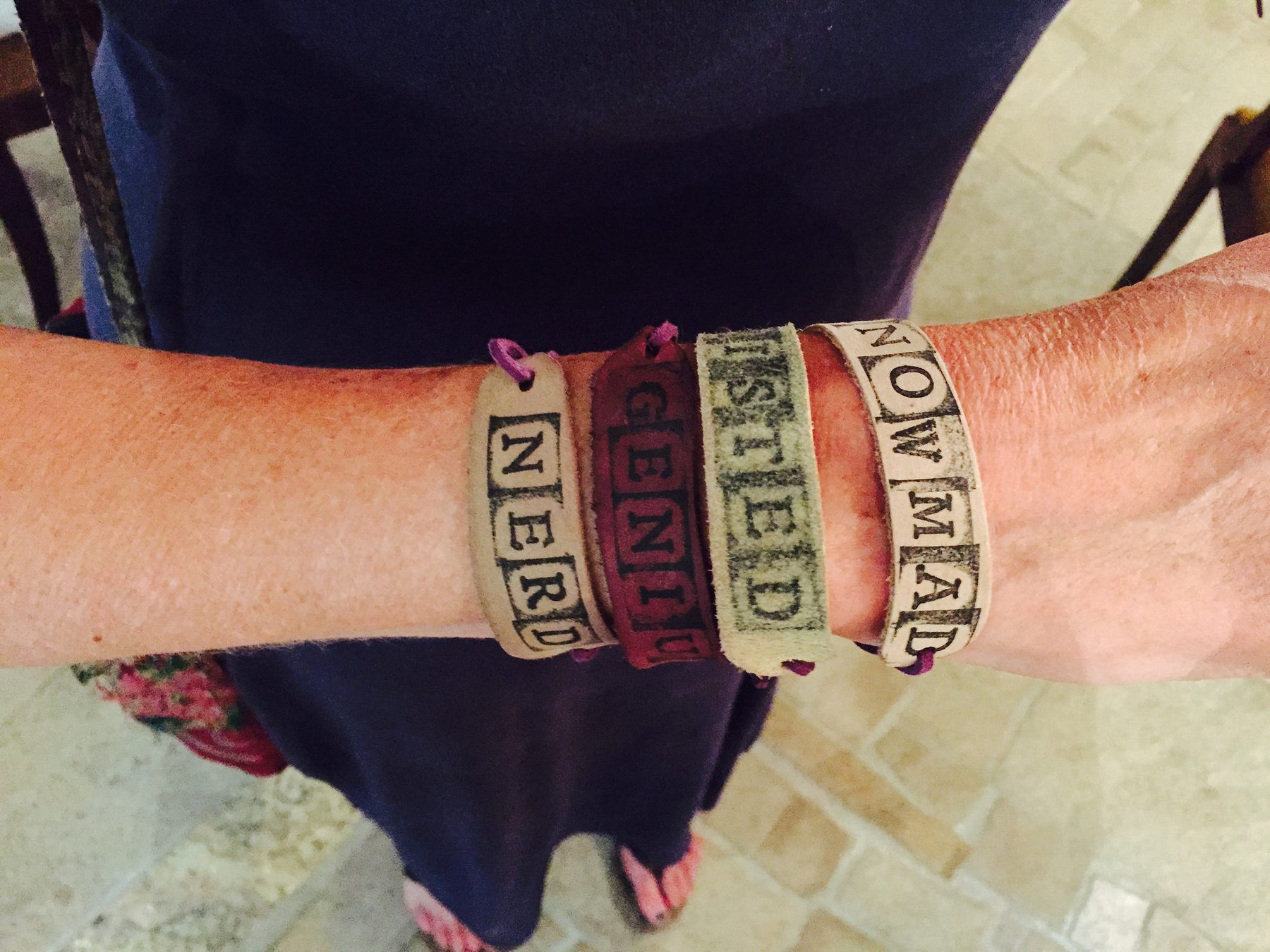
In the pre-industrial age, nomads were people that moved with their livelihood (usually animal herding) instead of settling at a single location.
No articles match these filters. Try another selection.