
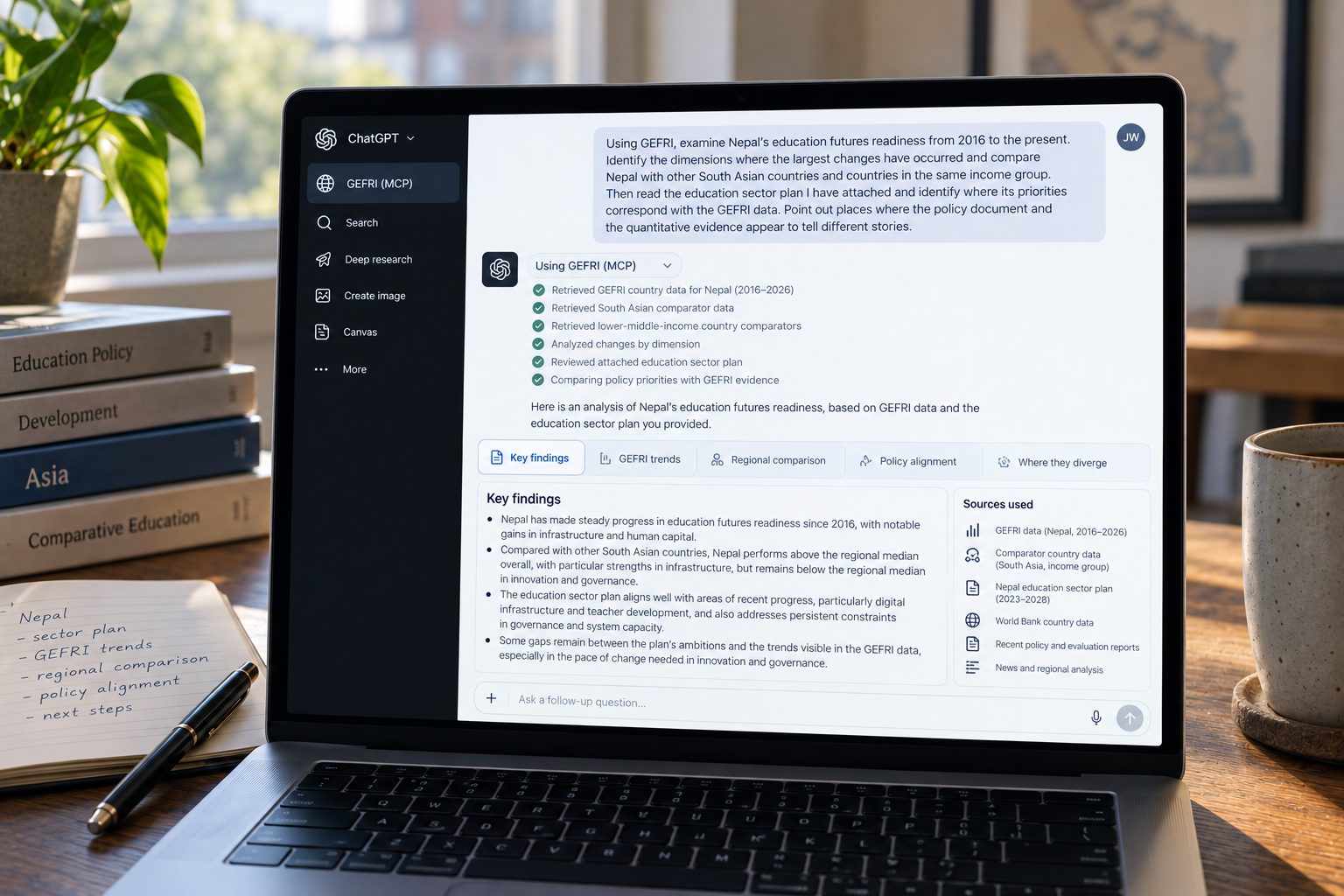
MCP support added to GEFRI
AI assistants can now connect directly to GEFRI to work with current and historical data, compare countries and regions, and interpret results alongside other sources and contextual knowledge.
Topic
Studies and findings that inform evidence-based educational policy, design, and practice.
AI assistants can now connect directly to GEFRI to work with current and historical data, compare countries and regions, and interpret results alongside other sources and contextual knowledge.
In a new paper, John Moravec argues that education’s crisis beyond 2030 is not a lack of preparation but the loss of power to govern the systems shaping learning, work, and public life.
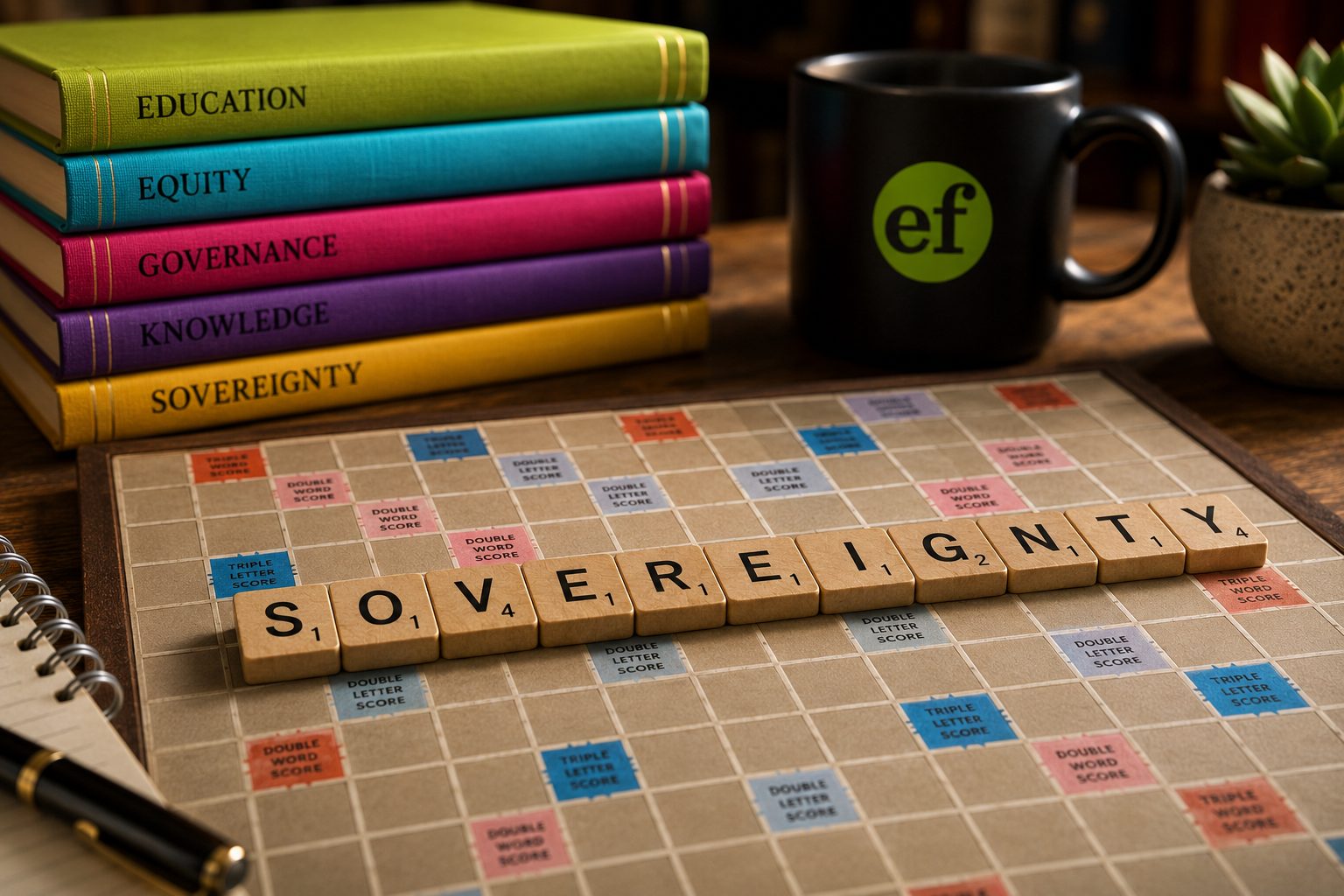
This paper examines how artificial intelligence can reproduce colonial patterns in education and knowledge production. It calls for educational sovereignty, institutional responsibility, and more critical approaches to AI policy.
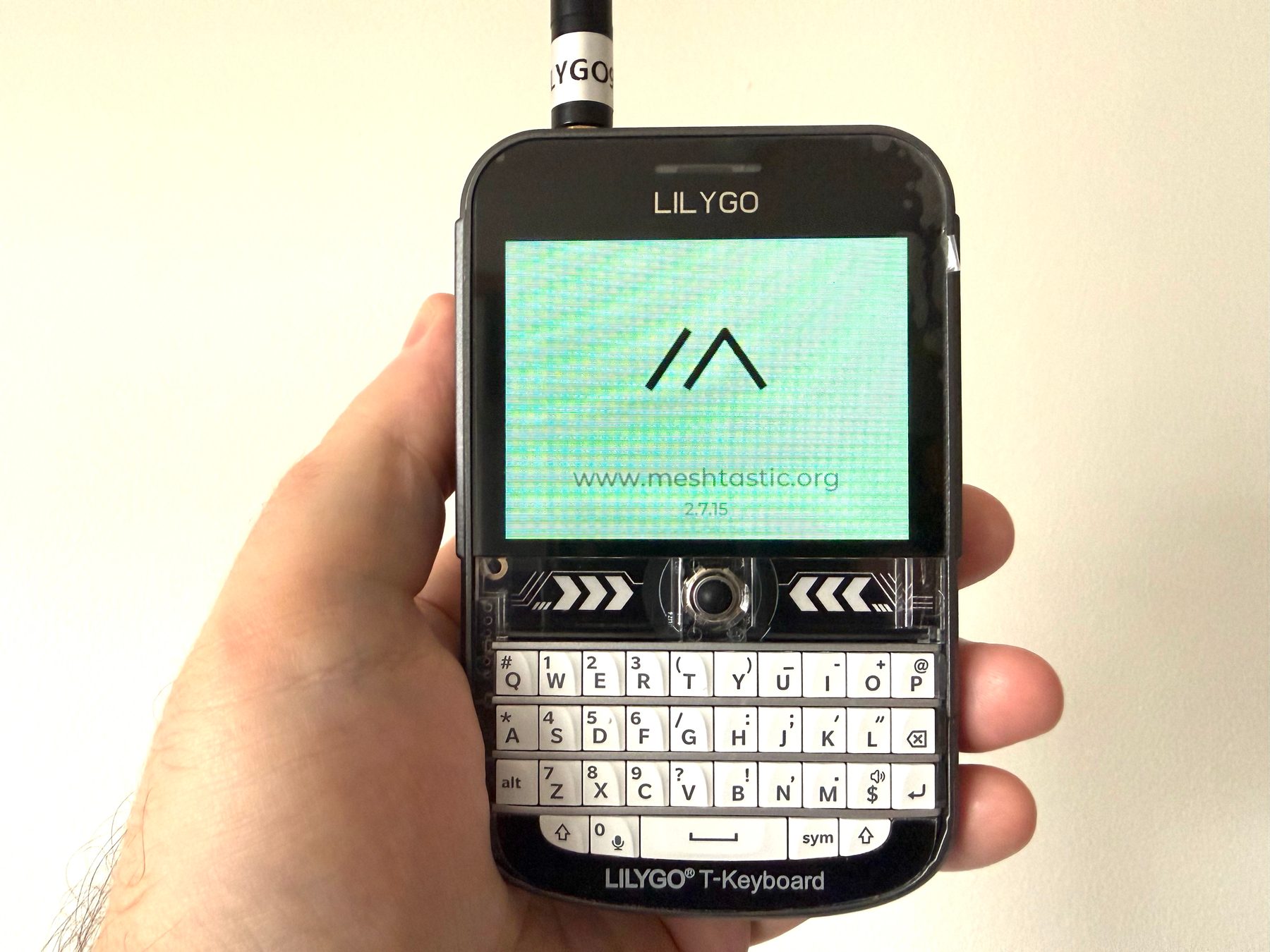
Explore how LoRa-based mesh (Meshtastic) communication can keep education programs running when the internet and electricity fail.
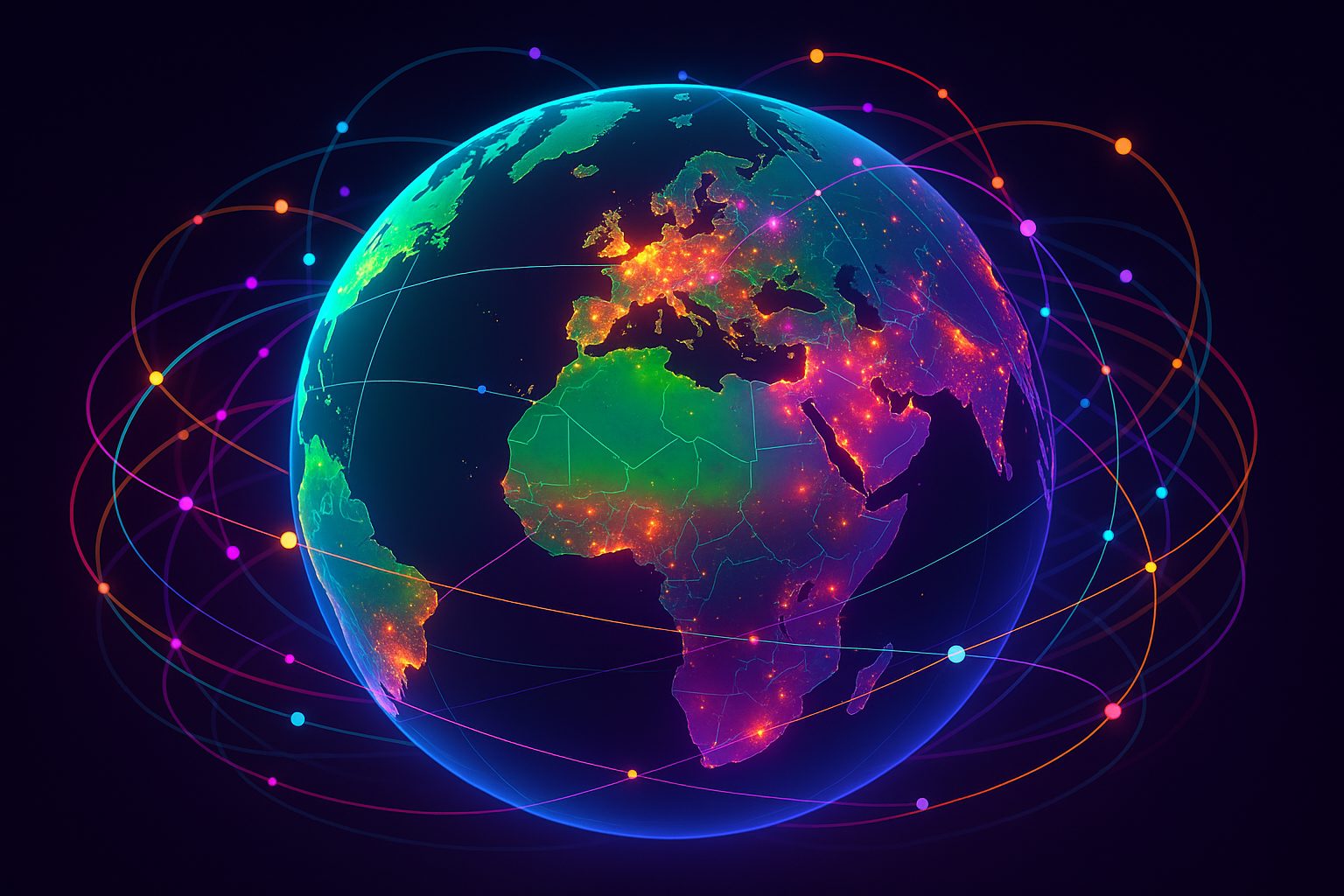
The Global Education Futures Readiness Index (GEFRI) provides the first comprehensive, data-driven answer. Covering 217 countries, including large economies, small island states, and nations in crisis, GEFRI benchmarks how prepared each is to meet the demands of rapidly changing educational, social, and technological landscapes.
The integration of artificial intelligence into educational settings is rapidly transforming the landscape of teaching and learning. As AI becomes more common in schools, strong policies are needed to use it effectively and ethically.
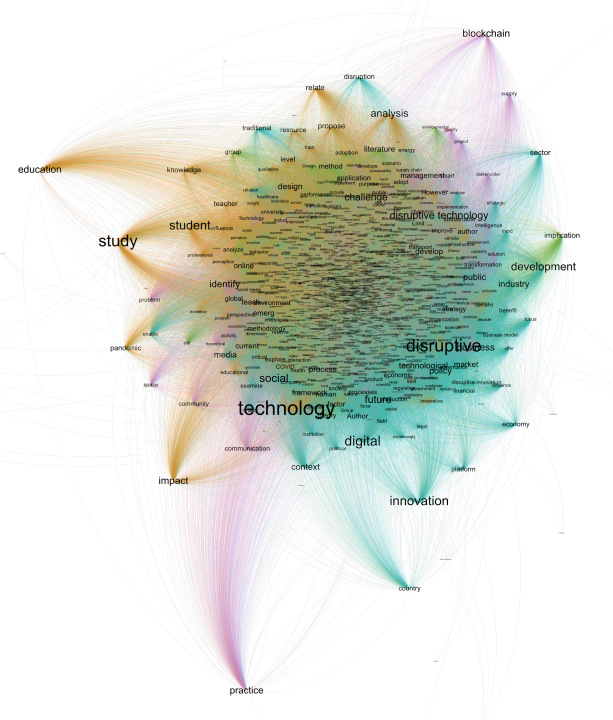
We find ourselves in an era where the languages of technology—bytes, pixels, and algorithms—have become as fundamental as the ABCs we learned in school. But are our educational systems keeping up?

Note: This article originally appeared in Sociální Pedagogika | Social Education, 8(1), 38-42.
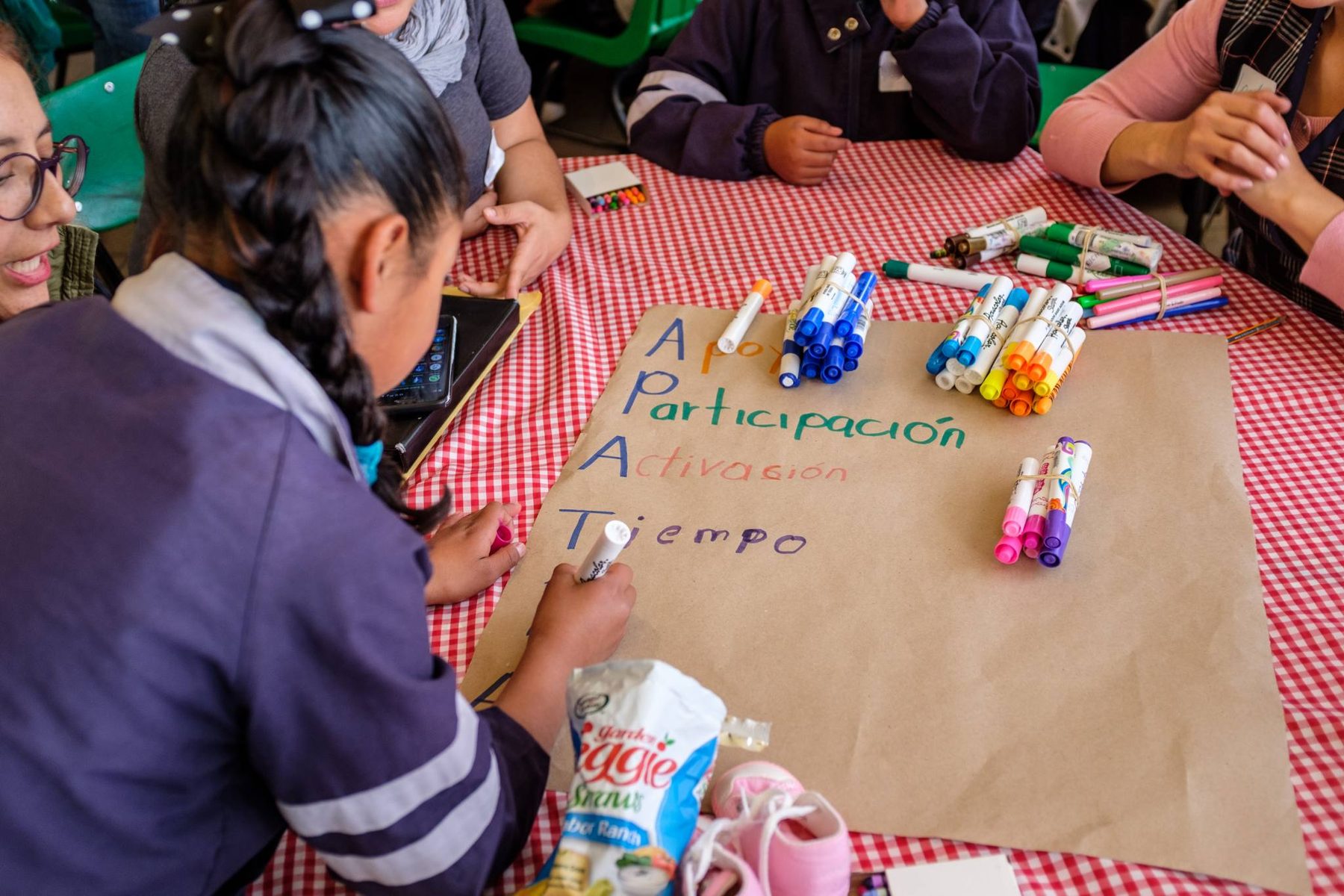
Education Futures founder John Moravec lead a diagnostic review the Secretary of Public Education’s digital citizenship program in Mexico, bringing together voices of students, teachers, and parents.
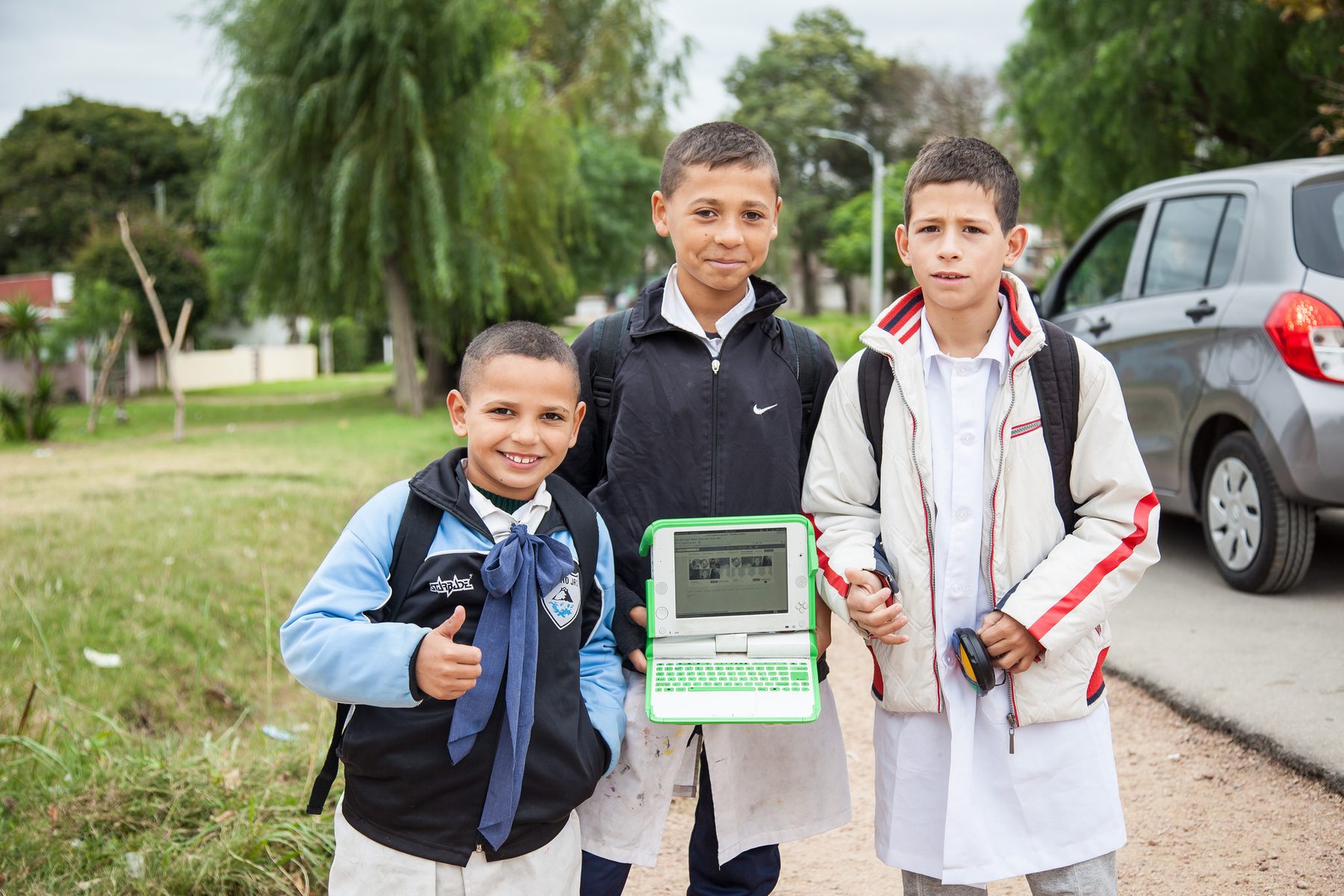
I am pleased to have collaborated with Matías Mateu and Cristóbal Cobo on the publication of research regarding the future of Uruguay’s national technological and innovation policy initiative, Plan Ceibal. As this paper is directly related to Matías‘ master’s thesis, Cristóbal and I took on largely advisory roles to support his work.
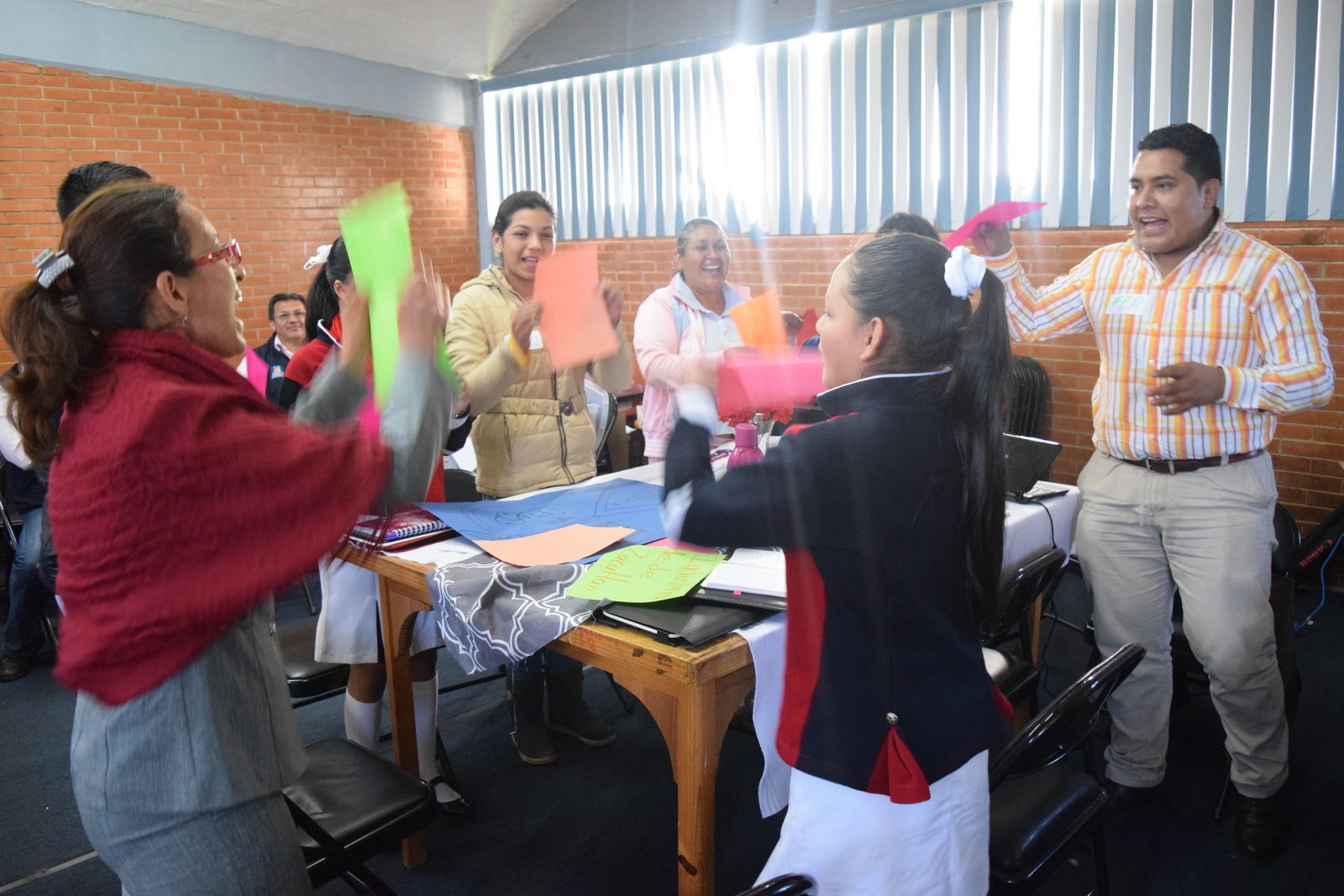
Education Futures and Fundación Ceibal (Uruguay) are pleased to share the outcomes of their 2-month research project for the Secretary of Public Education of the State of Puebla (“SEP-Puebla,” Mexico). Dr.
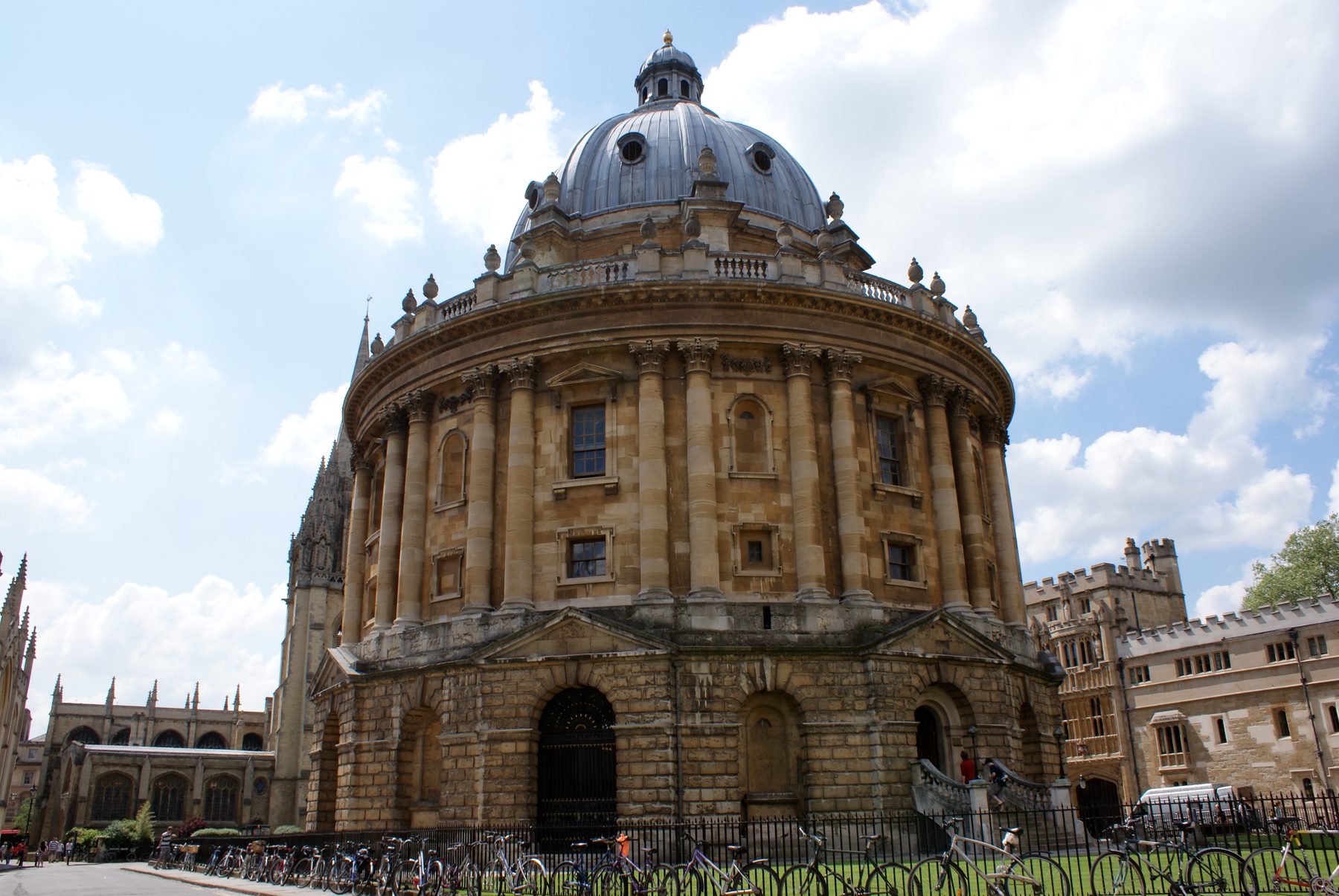
This article considers how research and special libraries can evolve for a Knowmad Society. It explores the changing role of libraries in connecting people, knowledge, technology, and innovation.
Read this special issue of On the Horizon for free until 20 June 2013.