


Does the modern university end at AI?
AI Trends in Higher Education,” hosted by Emerald Publishing and the Higher Education Teaching and Learning Association (HETL), March 26,.
Topic
Meet pioneers and practitioners reshaping the future of education.
AI Trends in Higher Education,” hosted by Emerald Publishing and the Higher Education Teaching and Learning Association (HETL), March 26,.
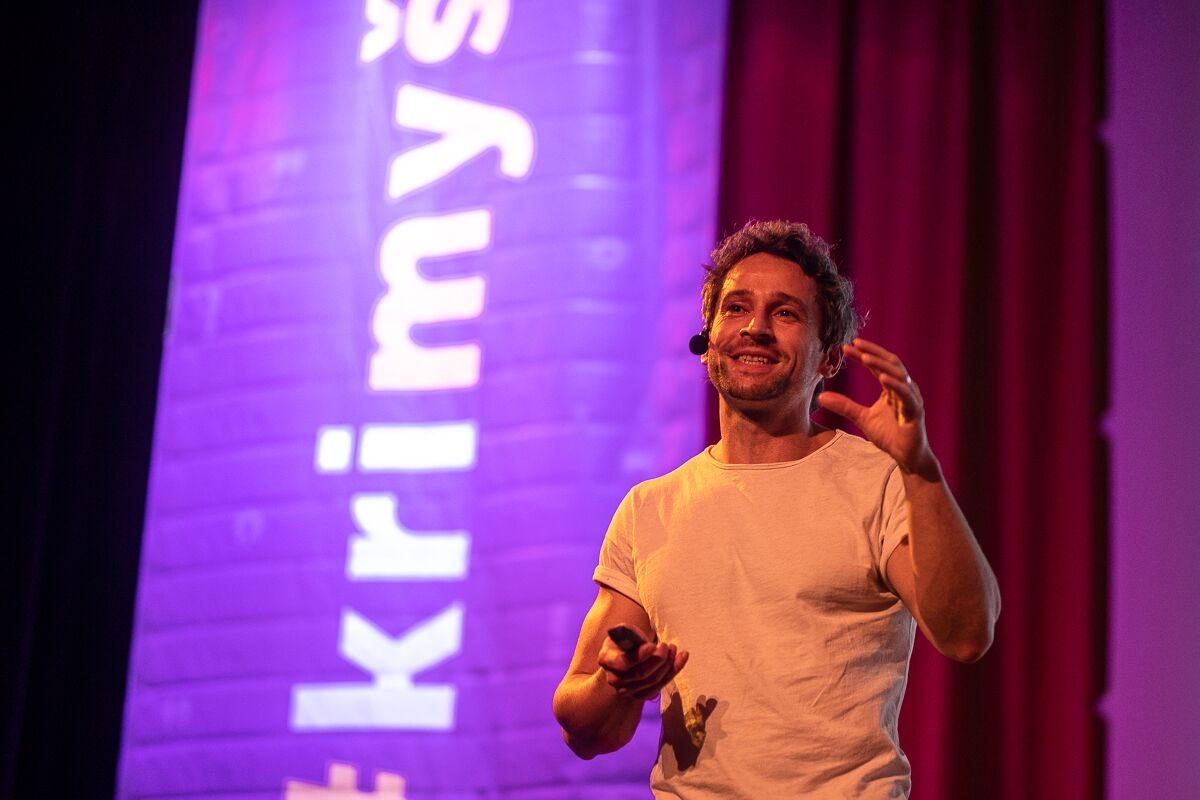
Czech media maverick Bohumil “Bob” Kartous asks, can steam engines carry us into the virtual world?
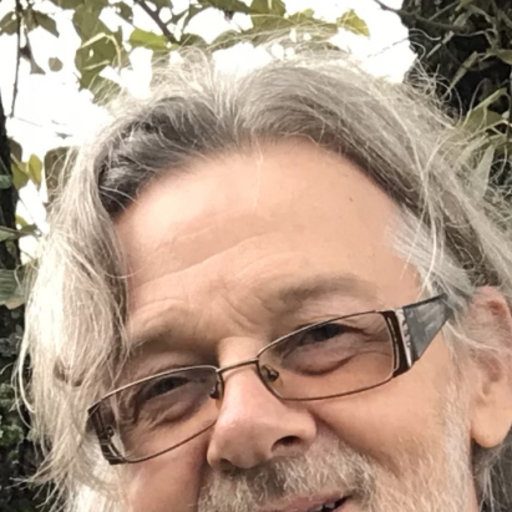
Pekka Ihanainen, a Finnish teacher educator, is one of the most abstract, conceptual thinkers I have ever known. He is a crafter of ideas.

Oli Anderson interviewed Education Futures‘ John Moravec for Design Decode, a project exploring design for improving the human experience.
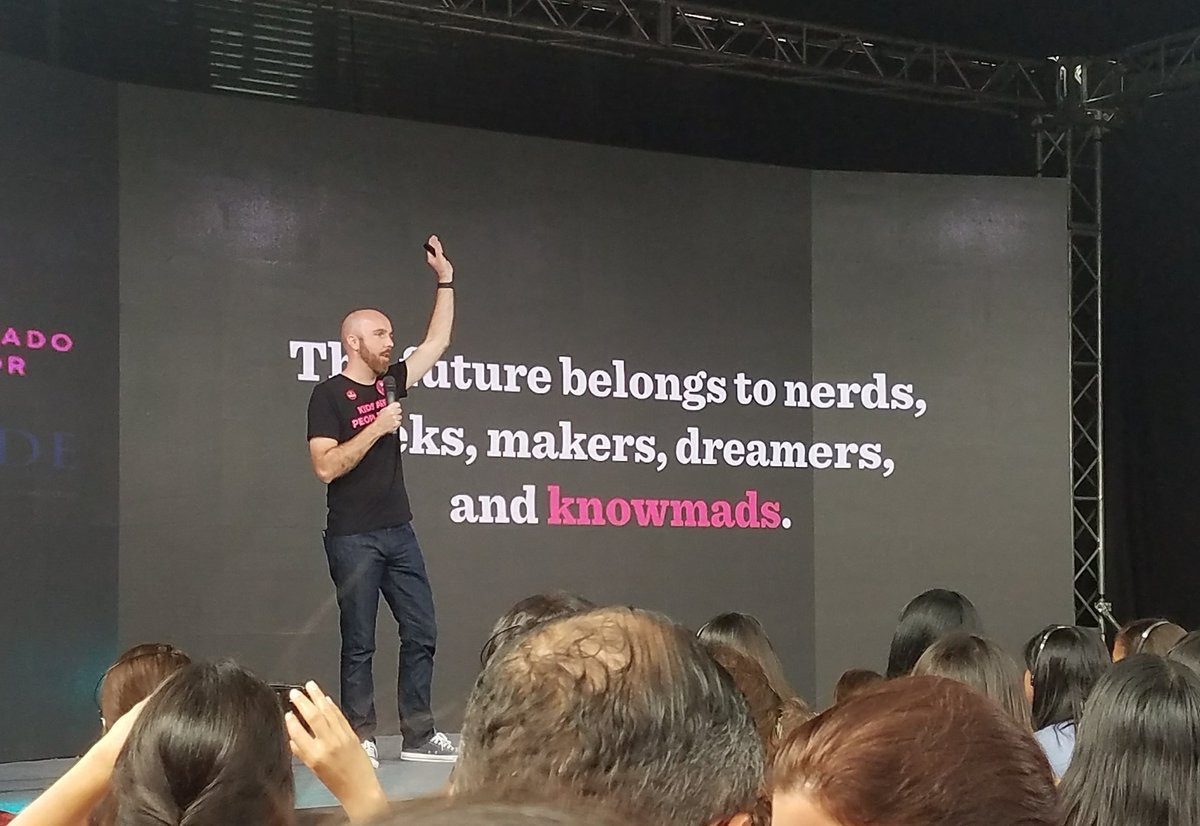
Education Futures founder Dr. John Moravec has embarked on a global tour to redesign mainstream education systems.
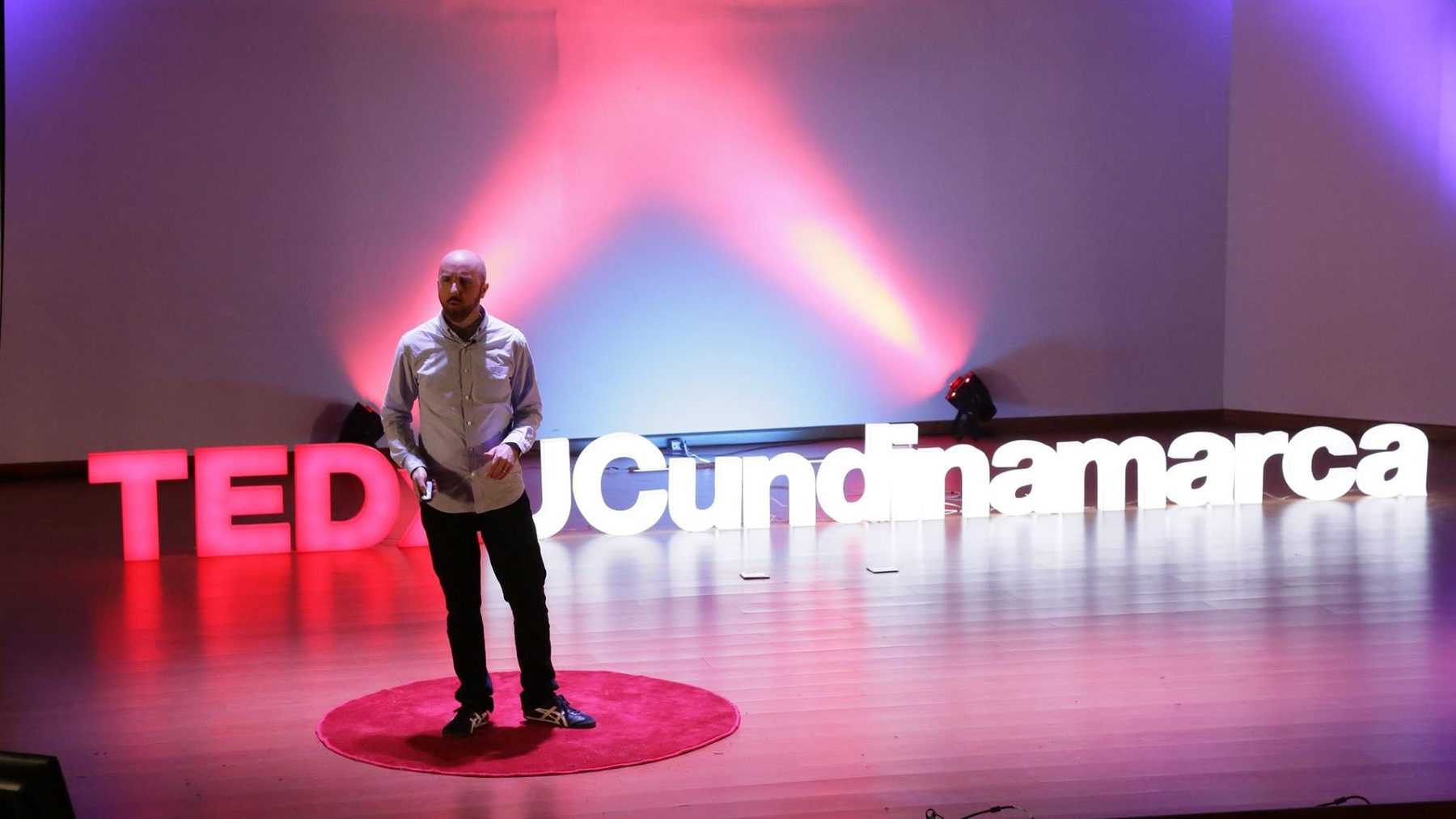
Who gets to decide what kids learn? For whose benefit is all this, really?

Youth are the main consumers and participants in education. Despite intimate knowledge of the successes and failures of modern education, youth rarely become architects, shapers, or producers of a system that is built on their behalf.

Education Futures founder, John Moravec, had the pleasure of visiting with the Ministry of Education in the Province of Chubut, Argentina for Aulas Creativas on February 27-28 this year. The program team recently published this excellent video, which outlines new perspectives for thinking about education.
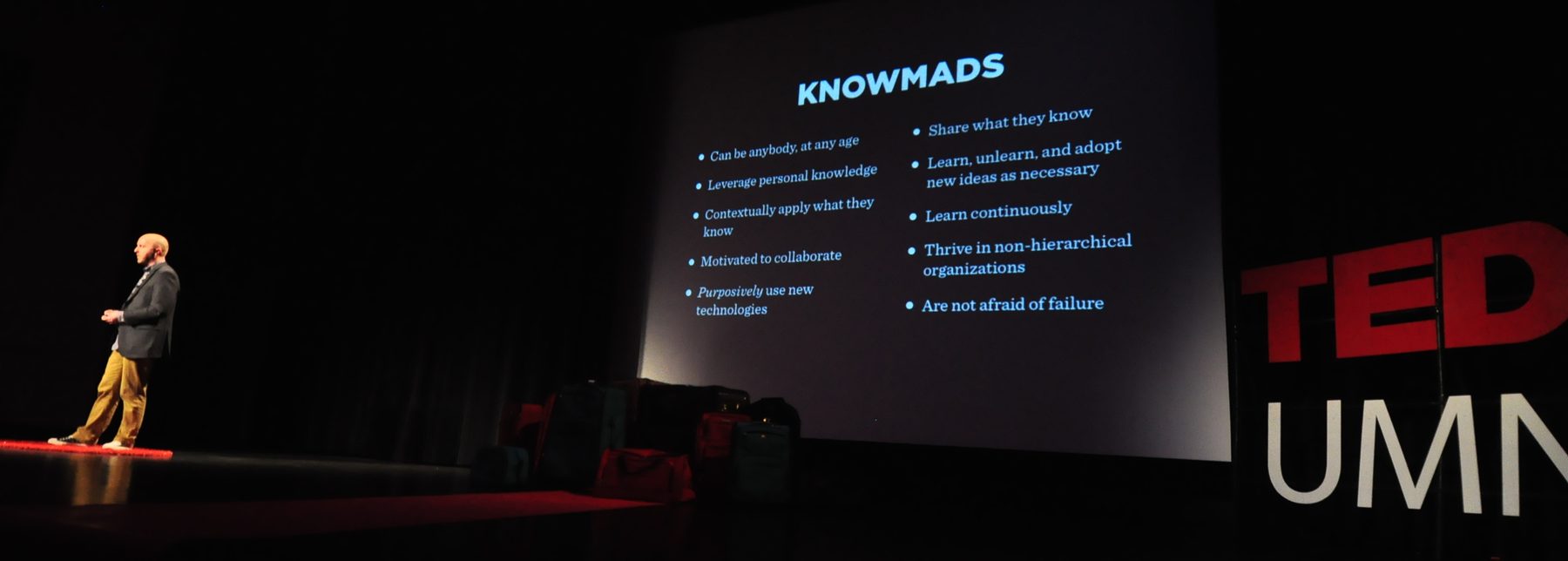
Knowmads are nomadic knowledge workers –creative, imaginative, and innovative people who can work with almost anybody, anytime, and anywhere. The jobs associated with 21st century knowledge and innovation workers have become much less specific concerning task and place, but require more value-generative applications of what they know.
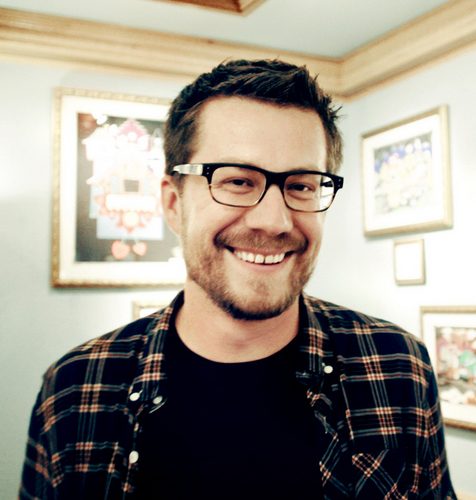
Matt Novak uses a paleofuture perspective to examine how earlier generations imagined tomorrow. The conversation reveals what those visions say about our hopes, fears, and assumptions about the future.

Last week, I attended the two-day Pioneers Festival in Vienna. Housed in the Hofburg imperial palace (an “impossible to book” venue), the event was a mixture between discussions, speeches and interactive workshops with topics concerning entrepreneurship, innovation, and technology.

Editor’s note: This provocative commentary originally appeared in Heb jij iets geleerd vandaag? – Een Sudbury school perspectief op leren, a blog by Sudbury schools in the Netherlands.
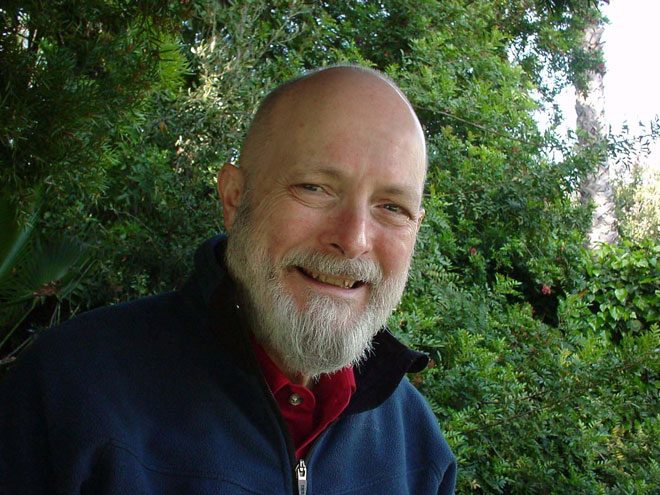
In this interview, John Moravec speaks with science fiction author and mathematician Vernor Vinge about the technological singularity. They consider how accelerating technological change could affect schools and society.

In the pre-industrial age, nomads were people that moved with their livelihood (usually animal herding) instead of settling at a single location.